You are viewing 1 of your 1 free articles
RSH quarterly survey: landlords invest ‘significantly’ in existing homes but development spend falls
Housing providers are spending heavily on existing stock but investment in new homes has fallen, according to the Regulator of Social Housing’s (RSH) quarterly survey of landlords’ financial health.


 RSH quarterly survey: landlords invest ‘significantly’ in existing homes but development spend falls #UKhousingHousing providers are spending heavily on existing stock but investment in new homes has fallen, according to the English regulator’s quarterly survey #UKhousing
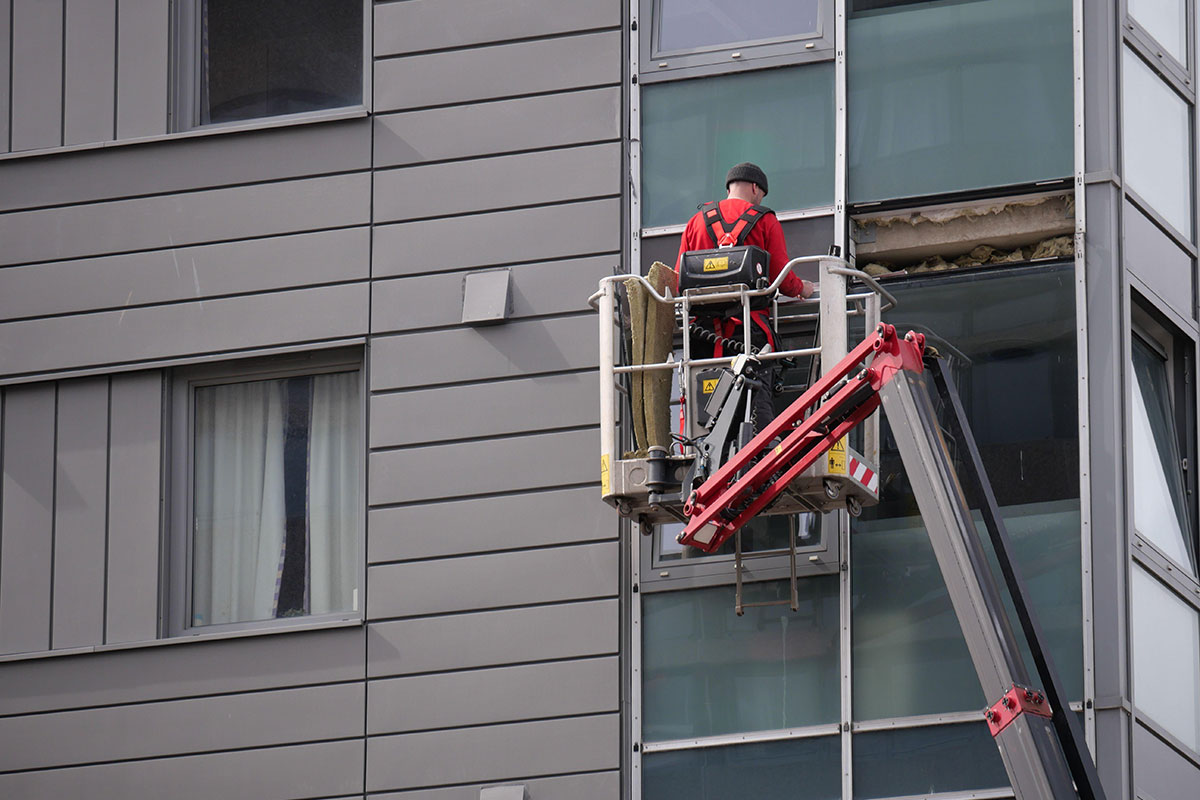
The English regulator’s report recorded a spend of £9.1bn on repairs and maintenance over the 12 months till June 2025, up on £8.2bn in the previous year.
The sector predicts this will rise again to £10.3bn next year, a 3% increase on the £9.9bn in the 12-month forecast made back in March.
In contrast, landlords spent £13.6bn on the acquisition and development of housing properties, which was a slight decrease on the £14.2bn in the year before.
Read more

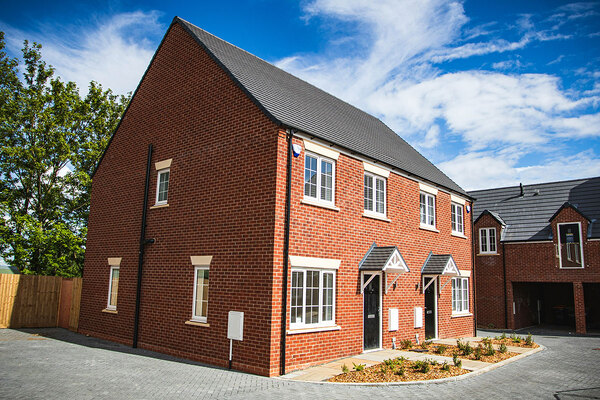
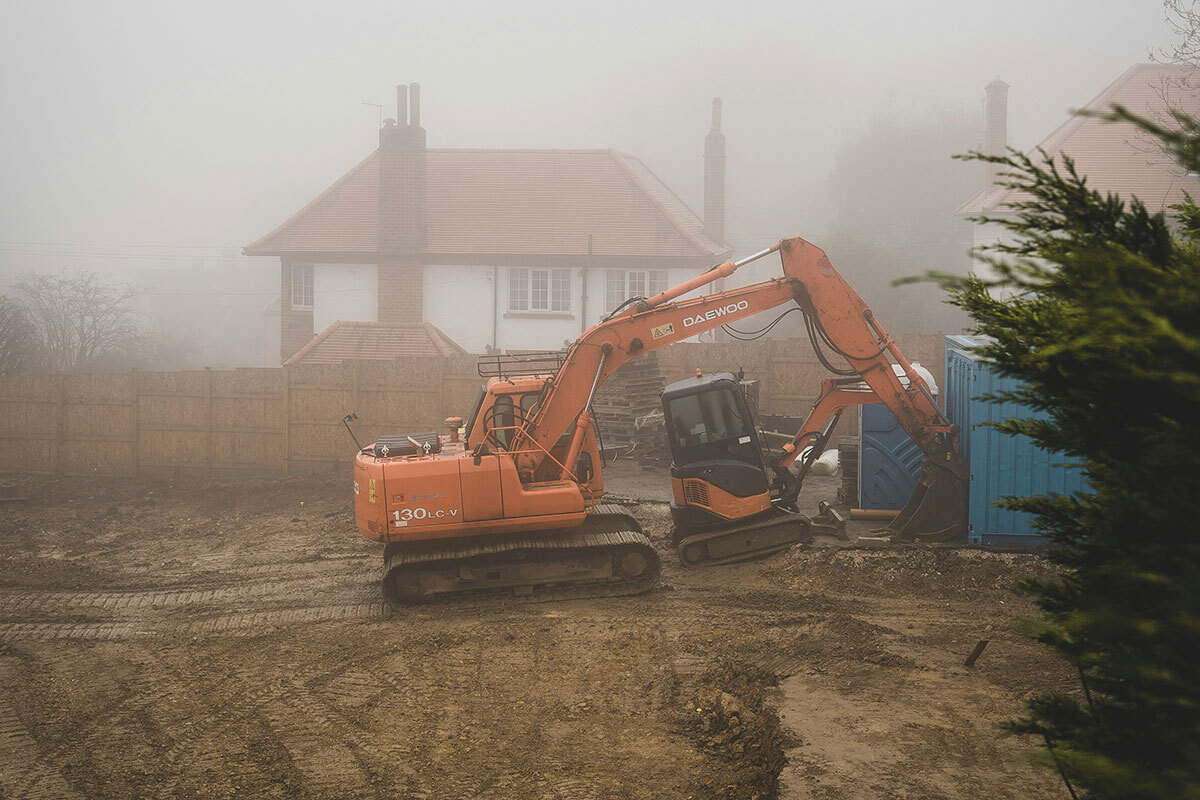
Yet the RSH survey, which covers the three-month period between April and June 2025, said landlords are “still building new homes” and the 12-month forecast development spend is in line with the previous quarter at £14.8bn.
The regulator said many landlords are still in the process of updating development projections and budgets following the Spending Review in June, which included confirmation of the 10-year £39bn Social and Affordable Homes Programme.
Total affordable homeownership (AHO) units in the pipeline have reduced by 4%, while uncommitted homes remain at the lowest amount recorded since data was first collected in 2015.
Sales have fallen in the quarter, with AHO sales the lowest in five years and market sales the lowest ever recorded.
AHO sales were 28% lower than in the previous quarter and 19% below the three-year average, while the margin on AHO sales stood at 13.5% in the quarter – the lowest level recorded in 13 years.
In contrast, total fixed asset sales amounted to £3.4bn in the year to June – a 16% increase on the £2.9bn recorded in the year to June 2024.
The survey also found that cash balances have dropped to the lowest level in 12 years, with 70% of providers reporting a net cash outflow in the quarter.
This reduced available cash balances by £0.8bn to £3.4bn, with one registered provider accounting for a third of the overall net reduction in cash.
However, landlords’ total available liquidity remained sufficient at £33.5bn to cover forecast expenditure on net interest costs (£4.7bn), loan repayments (£3.5bn) and net development (£12.2bn) for the next year.
Meanwhile, investment in the sector remains robust as £1.8bn of new finance was arranged in the quarter, with bank lending accounting for 84% of new facilities.
Will Perry, director of strategy at the RSH, said: “Landlords continue to invest significantly in new homes, and we know that they are looking to update their business plans in light of the substantial package of funding and other measures announced in the June Spending Review.
“The robust pipeline of private investment into the sector is essential for enabling landlords to both make important improvements to existing homes, as well as building new homes for the future. We remain committed to maintaining a financially robust sector and will take early action if we identify serious financial weakness.”
The RSH’s quarterly survey is based on the financial regulatory returns from 198 registered providers that own or manage more than 1,000 homes.
Sign up for our development and finance newsletter
Already have an account? Click here to manage your newsletters
Related stories