You are viewing 1 of your 1 free articles
Scotland to ban combustible materials on buildings taller than 11 metres
Developers in Scotland will no longer be able to use combustible materials on buildings taller than 11 metres under new regulations that are set to end the use of large-scale fire tests as a route to compliance.


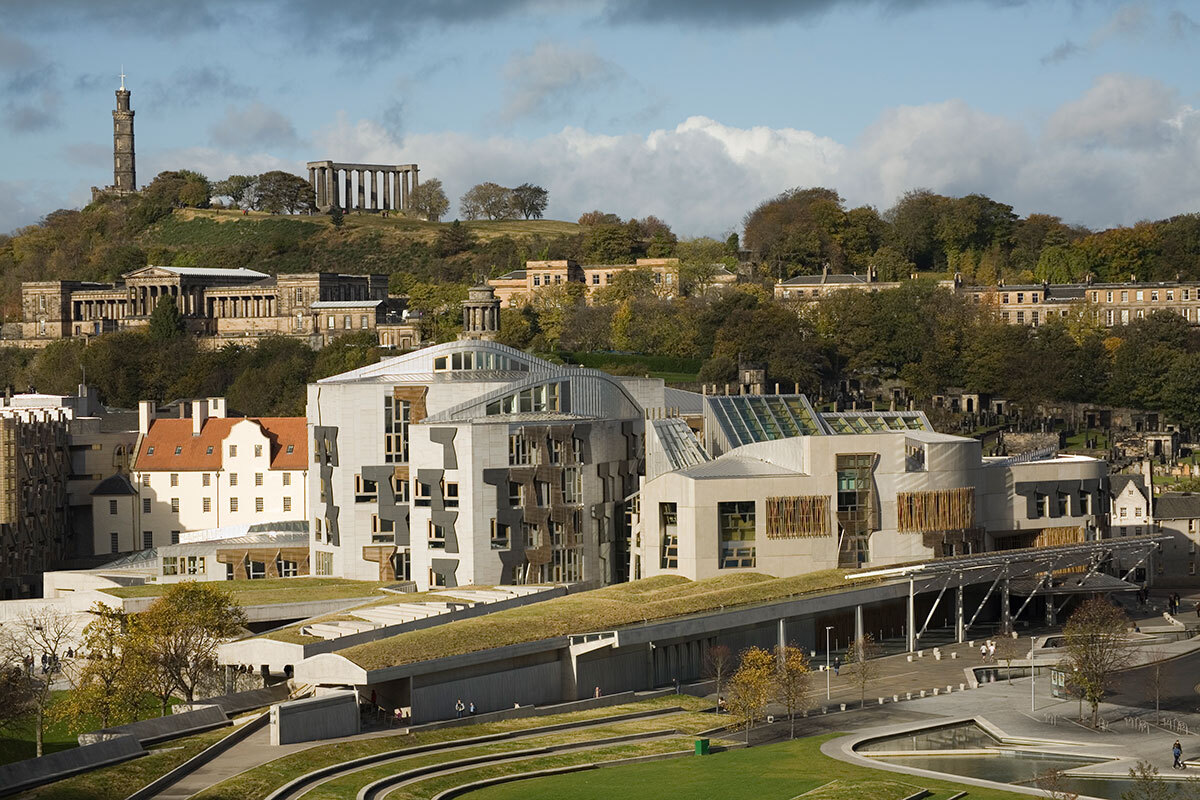 The Scottish government has ended the use of large-scale fire tests as a route to compliance #UKhousing
New regulations being laid before the Scottish Parliament today will completely ban the use of combustible materials on blocks above 11 metres – compared with 18m in England.
Changes to the Scottish buildings regulations in 2019 prevented combustible materials being used on buildings taller than 11 metres unless the facade passed a BS 8414 test, which tests the fire performance of the external wall system in laboratory settings.
However, the new regulations will remove the option of carrying out such a test, which has been under scrutiny since the Grenfell fire, as a route to compliance.
The new regulations will also ban the “highest risk” metal composite cladding material, such as the aluminium composite material (ACM) used on Grenfell Tower, on buildings of any height.
It comes one month after Inside Housing revealed that Kingspan, the company which manufactured insulation used on parts of Grenfell Tower, had lobbied Scottish ministers to continue to allow the use of combustible materials on tall buildings.
But other groups, including Scottish Labour and the Scottish Conservatives, had called on the government to end the use of large-scale fire tests as a route to compliance.
Since Grenfell, fire experts have raised concerns about the rigour of the BS 8414 test, arguing that the conditions under which the test fires are measured are not representative of real-world scenarios.
Read more
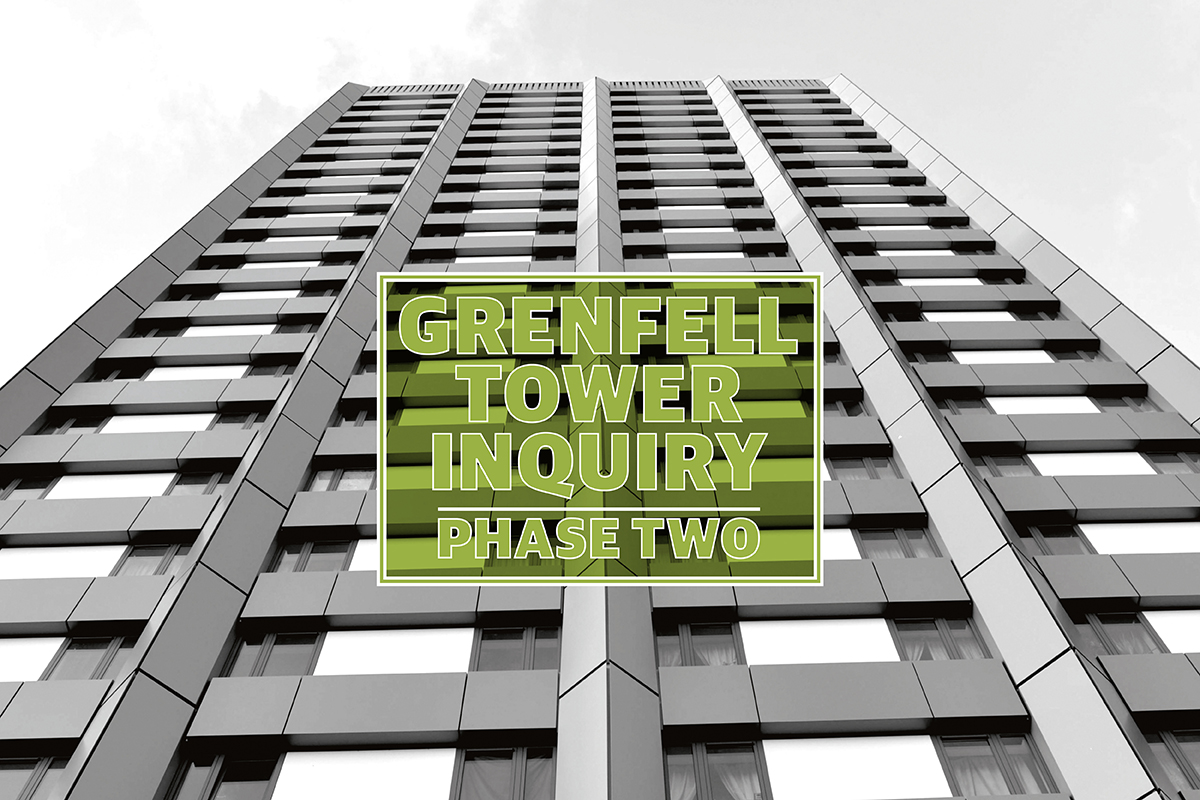
Meanwhile, the Grenfell Tower Inquiry has highlighted concerns around the use of BS 8414 test results in marketing materials.
However, Kingpsan has argued that large-scale testing is the only way to properly assess the fire safety of a tall building’s walls.
The new regulations mean that, if passed, the Scottish government will go further than the UK government in banning the use of combustible materials on blocks of flats, as combustible materials are still only banned on buildings taller than 18 metres in England.
Bereaved and survivors of the Grenfell Tower fire have called on the UK government to introduce an urgent ban on combustible materials on blocks due to the revelations from the Grenfell Inquiry.
The new regulations being laid by the Scottish government also include changes to energy performance standards, which the government said aim to make buildings easier to heat while ensuring they are well ventilated and comfortable to live in.
Patrick Harvie, minister for zero-carbon buildings, active travel and tenants’ rights, said: “This is the third set of changes made to fire safety standards for cladding in Scotland since the tragic Grenfell Tower Fire, requiring any cladding on domestic or other high-risk buildings above 11m to be strictly non-combustible.
“Taken together with our new fire alarms regulations, covering all homes in Scotland regardless of ownership, this is yet another step on the Scottish government’s mission to minimise the risk of deaths and injuries from fire.
“The energy improvements will deliver another important step toward improved energy and emission performance of our buildings, and we’ll be going further on this in 2024 with regulations requiring new buildings to use zero-emissions heating systems.”

Related stories