‘Tackling the climate crisis could lead to less social housing,’ warns NHF boss
Tackling the climate crisis could lead to less social housing and providers need to work together to ensure it does not exacerbate the climate crisis, the boss of the National Housing Federation (NHF) has said.


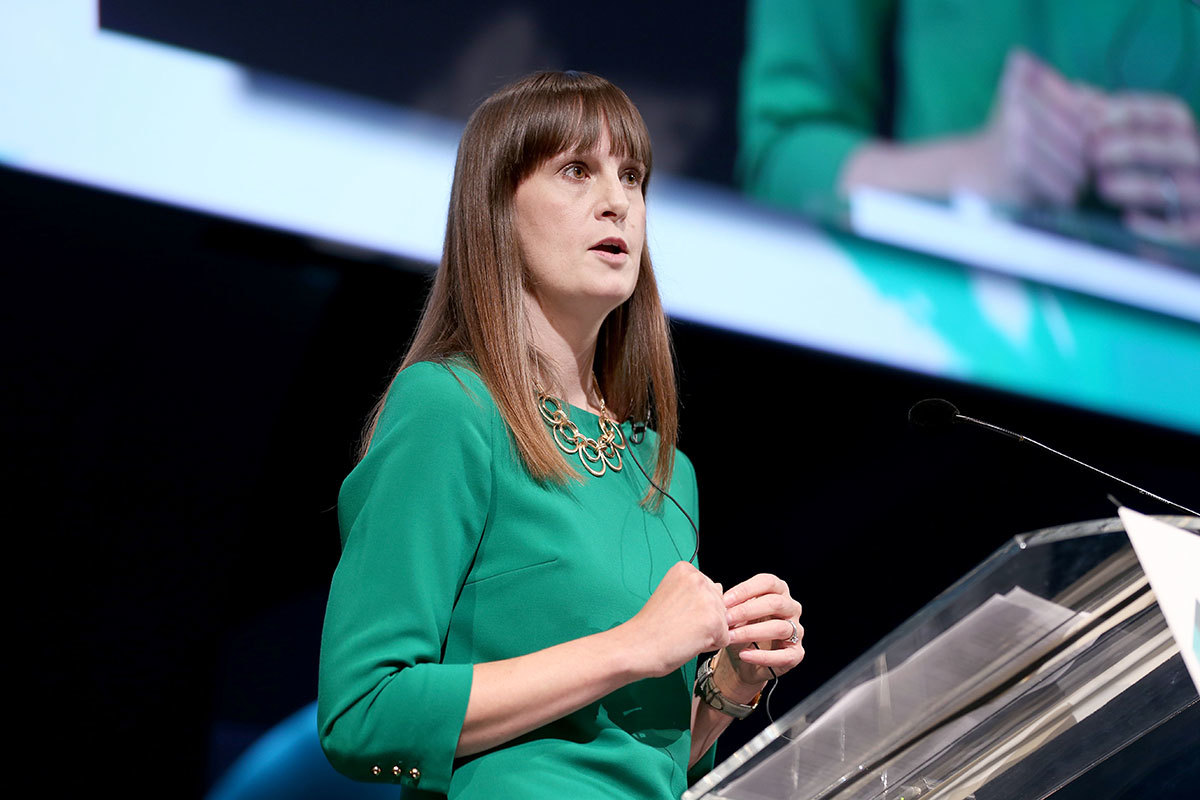 Delegates at the NHF’s finance conference in Liverpool discussed the need to embed climate and nature-related risks and opportunities in all financial decision-making #UKhousing
Kate Henderson told the NHF’s Housing Finance conference in Liverpool last week that while the financial and development challenges posed by the climate crisis could lead to less social housing, “nobody wants that to happen”.
Speaking on Thursday during a session on the need to embed climate and nature-related risks and opportunities in all financial decision-making, the NHF chief and other panellists discussed the need to reduce emissions, fuel poverty and investing in homes and neighbourhoods to improve the health and well-being of residents.
Despite the challenges ahead, Ms Henderson described it as “a massive opportunity”. She added: “Part of tackling this is being smart about the money we are already investing, whether that’s on safety or quality and regeneration.”
She said there is a need to collaborate better with the government on initiatives such as the Social Housing Decarbonisation Fund (SHDF).
Read more



Ms Henderson also said the sector needs to collaborate better in areas such as procurement, skills and energy strategy.
A total of 69 projects have been awarded a share of £179m to retrofit homes as part of the first wave of the SHDF.
Ms Henderson was joined on stage by Selvin Brown, a director at the Department for Business, Energy and Industrial Strategy; David Cowans, former chief executive of Places for People; and Claire Tracey, chief strategy and sustainability officer at Nationwide Building Society.
Mr Cowans also stressed the importance of working together to bring some of the technological solutions on the horizon to scale much quicker. He warned the sector against “building in obsolescence”.
He said it was not sensible to be replacing gas heating systems with newer versions. While he agreed that switching from gas to electric or installing heat pumps can be expensive, he warned that if the sector did not bring some of these solutions to scale, “nobody else will”.
Mr Cowans added: “If we can get to scale quicker, this would suit us all, and most importantly give the people who live in our homes a better quality of accommodation in a much greener environment.”
When asked by the audience about how lenders see the difference between older and newer stock, Ms Tracey said: “I would say one of the things that Nationwide worries about a lot is that we have millions of members who are in energy-inefficient properties that may not have the money to retrofit them.”
She said that government policies and development incentives need to be part of a long-term transition that avoids the type of cliff edge that leaves people in unsellable homes, but also includes a plan for the people who live and want to stay in old homes.
On the issue of missed key performance indicators, Ms Tracey said Nationwide would take the interest rate that landlords pay when they achieve their objectives “very happily”.
Delegates heard the day before about how “greenwashing” by other industries can create an opportunity for the housing sector due it its “great story” and “values”.

Related stories