You are viewing 1 of your 1 free articles
Unfreezing LHA would send more cash to private landlords, Rayner tells MPs
Angela Rayner has rejected calls to unfreeze Local Housing Allowance (LHA), telling MPs it would simply funnel more money to private landlords.


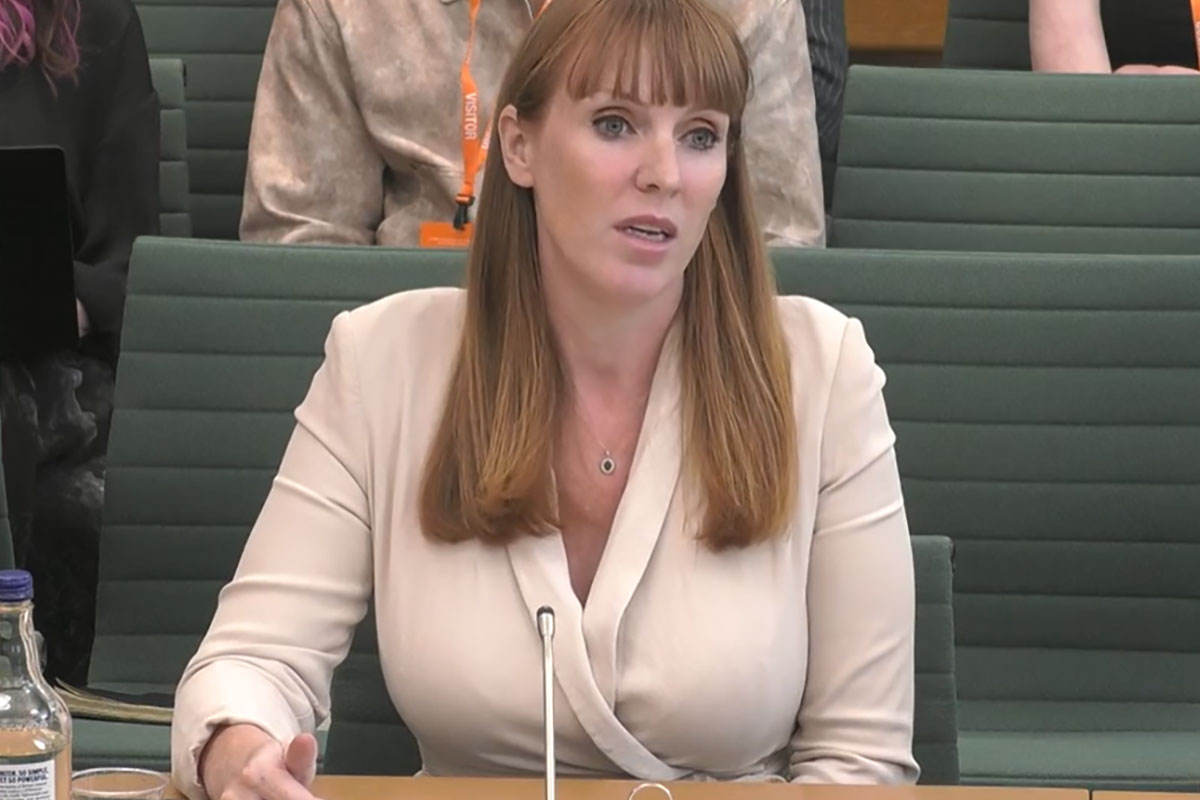 Unfreezing LHA rates will send more money to private landlords, Angela Rayner has told MPs #UKhousingAngela Rayner has rejected calls to unfreeze Local Housing Allowance, telling MPs it would simply funnel more money to private landlords #UKhousing
The deputy prime minister and housing secretary appeared before the Housing, Communities and Local Government (HCLG) Committee on Monday afternoon, where she was urged to take action on the benefit freeze.
The LHA, which sets the amount of housing benefit a resident can claim, has been frozen since last year, which has left many tenants with a shortfall they are struggling to cover.
Florence Eshalomi, chair of the HCLG Committee, said children were being pushed into poverty while they waited for new homes and asked Ms Rayner if she would review the case for unfreezing LHA.
Read more

In response, Ms Rayner said LHA rates were last increased in April 2024 and £7bn had been spent on the benefit over five years.
She added: “In the longer term, the only way we are going to fix this crisis is not by giving more money to private landlords for people who should be in social housing. We need to have a social housing revolution.”
The housing secretary added that the government is taking a number of steps to “alleviate” pressures in the short term and agreed that the number of children currently in temporary accommodation is “not acceptable”.
In 2011, the government cut LHA rates from covering the bottom 50% of market rents to the bottom 30%. Ministers have then periodically frozen and unfrozen LHA rates, making private rented properties increasingly unaffordable.
During the committee session, Ms Eshalomi pushed back and asked whether the government was making a “political choice” to push more children into poverty.
Ms Rayner said the decision on LHA would be made “in the round” at the next Budget, but repeated that it was not a long-term fix.
The housing secretary was also questioned about the Spending Review, the government’s announcement of £39bn for affordable homes and how she had decided on a target of 180,000, or 60%, social homes in the new Social and Affordable Homes Programme (SAHP).
Ms Rayner said she would not have “gone beyond” 60% because the aim of the programme, alongside the rent convergence announcement and low-interest loans for councils, is to stimulate the market and give confidence to the sector.
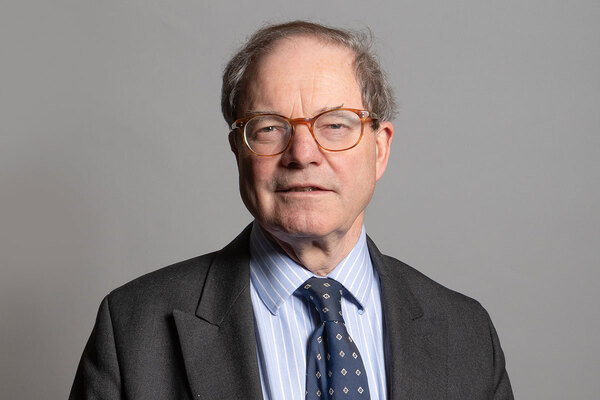
Committee member Andrew Lewin asked Ms Rayner about shared ownership and whether the system needs reform before the new SAHP begins.
She said the government has to look at “lessons learned”, and that while shared ownership has helped some people get on the property ladder, others ended up trapped as the tenure had an impact on the housing market.
“I would argue that some of the previous schemes made house prices go up at a higher rate actually, and priced more people out of the housing market,” Ms Rayner added.
The HCLG Committee also discussed the recently announced National Housing Bank, which is to be a subsidiary of housing agency Homes England that will be publicly owned and backed with £16bn of financial capacity.
Dame Sarah Healey, permanent secretary at the Ministry of Housing, Communities and Local Government, told MPs that the government is “doing everything in our power” to have the new bank up and running by the start of the 2026-27 financial year.

Related stories