Engaging residents in decarbonisation
Residents are key to retrofit success, but getting them on board is complex, as experts discuss at a roundtable event in association with Sureserve. Photography by Belinda Lawley


 Residents are key to retrofit success, but getting them on board is complex (sponsored) #UKhousing
In association with:

After 17 years working on large-scale residential retrofit projects, Kate Watson is confident that she has uncovered one of the most significant contributors to a scheme’s outcome. It is not something that can be measured easily and popped on an Excel spreadsheet, ready for analysis – it is much more subtle.
“The people who live in the houses are really key to the success of any retrofit,” says Ms Watson, principal consultant for sustainable communities and industries at professional services firm Turner & Townsend.
“First, because you’ve got to get in through the front door but, second, because you’ve got to make retrofit work for the people who are in the home. It’s got to have real, tangible benefits.”
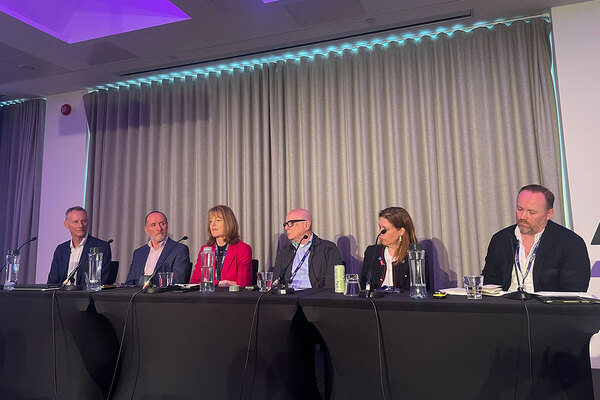
Ms Watson is among the experts who gathered in London for an Inside Housing roundtable discussion on decarbonisation.
Read more
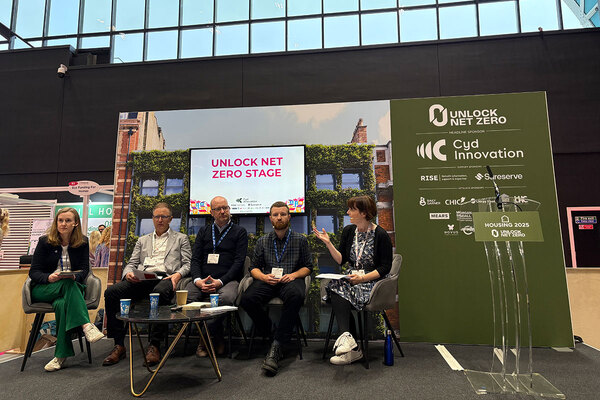

The event, run in association with compliance and energy services specialist Sureserve, has a specific focus: how to best engage residents in efforts to reduce carbon emissions.
Better communication required
As those round the table well know, such engagement is not always straightforward. The mantra of ‘no pain, no gain’ often applies to making homes more energy efficient. Retrofitting is disruptive for residents, and often residents must use sustainable heating systems differently to ‘traditional’ ones if the benefits are to be realised.
According to Ms Watson, landlords too often fail to design decarbonisation schemes that keep residents in mind.
“We don’t consult them. We don’t give them enough notification of when works are going to happen. We don’t sell the benefits, and the handovers are often atrocious. As a result, you get resistance and poor uptake, and therefore benefits realisation doesn’t necessarily happen.”
Could successfully engaging on decarbonisation require new skills for social landlords? Lucja Paulinska, head of environmental sustainability at The Guinness Partnership housing association, thinks so.
“For many years, housing providers’ communication was just one way: we have to maintain your home; we’re going to come to you when we have to replace or fix something,” she says.
“But with retrofit, it’s a whole different spectrum of communication. You have to educate customers, engage with them, walk them through the pathway, explain the benefits. You have to touch on climate change and on government targets.
“All that is new to the sector, and it’s a learning curve,” she adds.

The fact that different residents will have different needs, preferences and priorities adds complexity. It is a point emphasised by Ingrid Smith, a member of the resident-led panel at Peabody and chair of the housing association’s communications sub-group.
“I think there has to be a multimedia communications strategy,” says Ms Smith, who has a background in journalism. She suggests any strategy needs to address that what might suit an older resident is not going to work for a young adult.
“Peabody got some [feedback] recently that we’re not engaging with young people, and especially with young men. You can’t expect to put the same event on for a 21-year-old man that you’re putting on for a 79-year-old. You’ve got to think outside the box,” she says.
The full range of potential decarbonisation benefits should be explained, since their persuasiveness will vary by resident.
“[It’s important] to show tangible benefits and get the story out there,” suggests Antoine Pellet, head of retrofit credits at charity HACT.
“Let’s not keep information in. Let’s put it out there, and really share what the benefits of decarbonisation are, whether it’s to health, bills, or just feeling good about doing something for the environment; that alone may be a positive for somebody.”
Justine Williams echoes the need for a tailored engagement approach. She is the decarbonisation engagement officer at Hafod, which offers housing, support and care services to around 16,000 people in South Wales.
“People have different needs. I try to speak to as many people as I can to build up a little profile of their personal circumstances. You’ve got people with caring needs and lots of illness out there, including mental health issues. Everyone needs be treated a little bit differently, just to help them deal with [the potential impact of decarbonisation work],” she says.

Hafod’s approach to the topic centres on “recognising everyone likes to get information in different ways. Some people like to have printed literature; some like digital channels; some like in-person, and so we’ve adopted a multichannel strategy. It’s a mix of in-person, printed and online resources,” Ms Williams adds.
Community engagement days have felt particularly valuable, she says. “We’ve gone into the heart of communities. I think the sites where we’ve done those days are the ones where we’ve been most successful
in regard to how our tenants have felt about the whole decarbonisation process.”
The experience is similar in the London Borough of Havering. Maria Hill, the council’s senior resident liaison officer, tells her fellow panellists about its community bus.
“We take out engagement to the resident. We get out with materials and boards and brick slips and render colours and what windows will look like, and information packets and a process guide, and we basically drive it to the residents,” she explains.
“This is pre any works, at the point they’re highlighted from our stock data [as an area that might benefit from decarbonisation]. It gives the resident early information, and we can [answer any questions].”
Robert Ditsell, her colleague who is a project manager in the housing services planned works team, says the council’s target is for all its homes to have an Energy Performance Certificate rating of Band C by 2030 and
be net zero by 2040.
Given that it owns and manages over 11,000 properties, it is a pretty big job. It is one he says the organisation is intentionally tackling in a gradual fashion, in part to support appropriate engagement.
“There is the question of scale. We’ve been fairly consistent in trying to keep it to a manageable number [of homes being worked on at any one time].”
Realistic and honest approach
It allows for “a personal touch”, he says, with residents getting to know those working on the project before it starts. By the time works begin, there is already a strong relationship, with tenants typically feeling comfortable to raise questions or share any concerns.
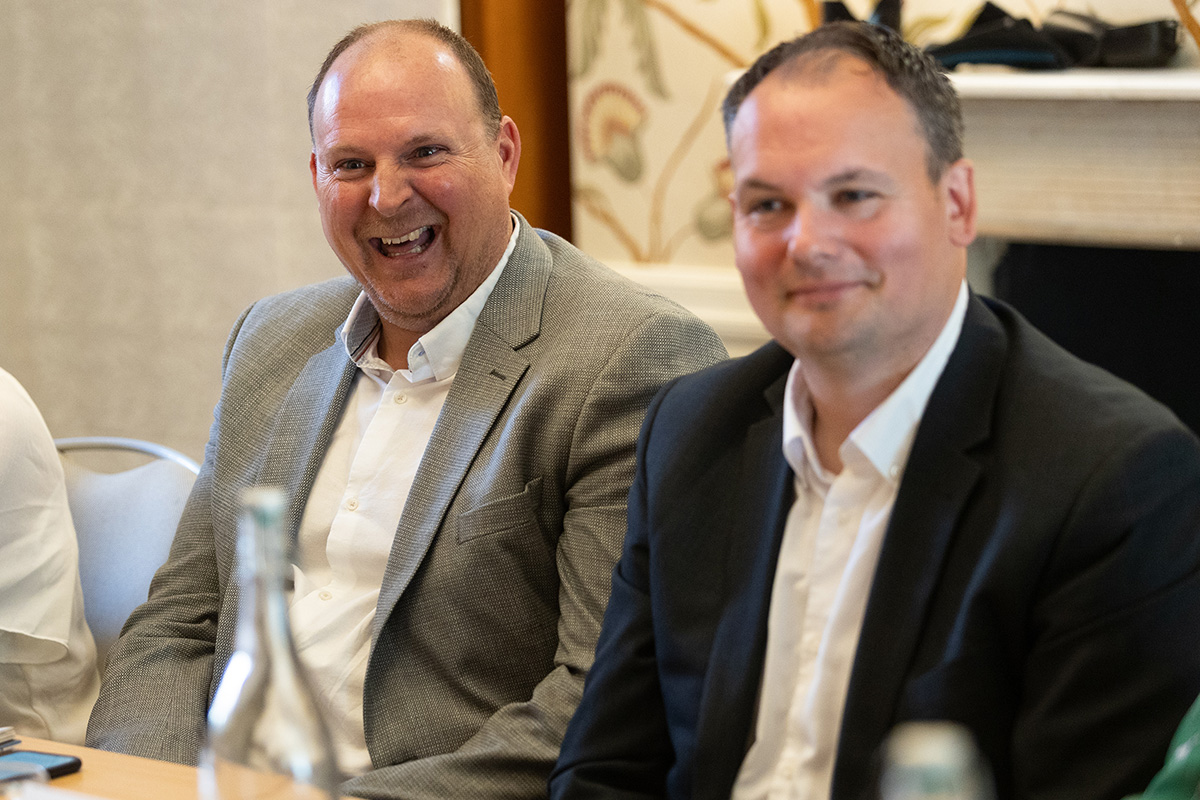
“It’s been quite refreshing, because many a time we go to site and residents call us by our first names. You’ve got that rapport, and I think there’s a good sign that the engagement at the front end has worked,” Mr Ditsell says.
Aneaka Kellay, citizen and community engagement lead at social enterprise Carbon Co-Op, stresses that the best chance of successfully engaging residents begins with a look in the mirror.
“I’d suggest the first step is for the housing provider to look inward. What is their relationship with the tenant at the moment? Is it a good dynamic or a poor one? If it’s a challenging dynamic, you’re immediately setting up barriers [to engagement on decarbonisation]. People are not going to trust you. You have to improve that dynamic first, rather than creating an engagement strategy,” Ms Kellay says.
Panellists agree that any subsequent strategy must be grounded in honesty. Twenty-two years ago, Lisa Rae was one of the first residents of BedZED, the then groundbreaking Beddington Zero Energy Development in south London.
Ms Rae stresses how innovative it was. Knowing that it was a test bed meant she was realistic about the odds of everything running seamlessly.
“Some things have never worked, but my perception is, ‘You were trying. If you can learn from this, if you have learned from this, then that’s great.’”
Residents on more recent schemes elsewhere have had a very different experience, she says. “Those people who have moved in over the past 10 years have been sold on an environmentally sustainable development, but then they’re saying, ‘Well, why doesn’t this work?’ Their perception is different, and I think that also applies when you’re retrofitting.
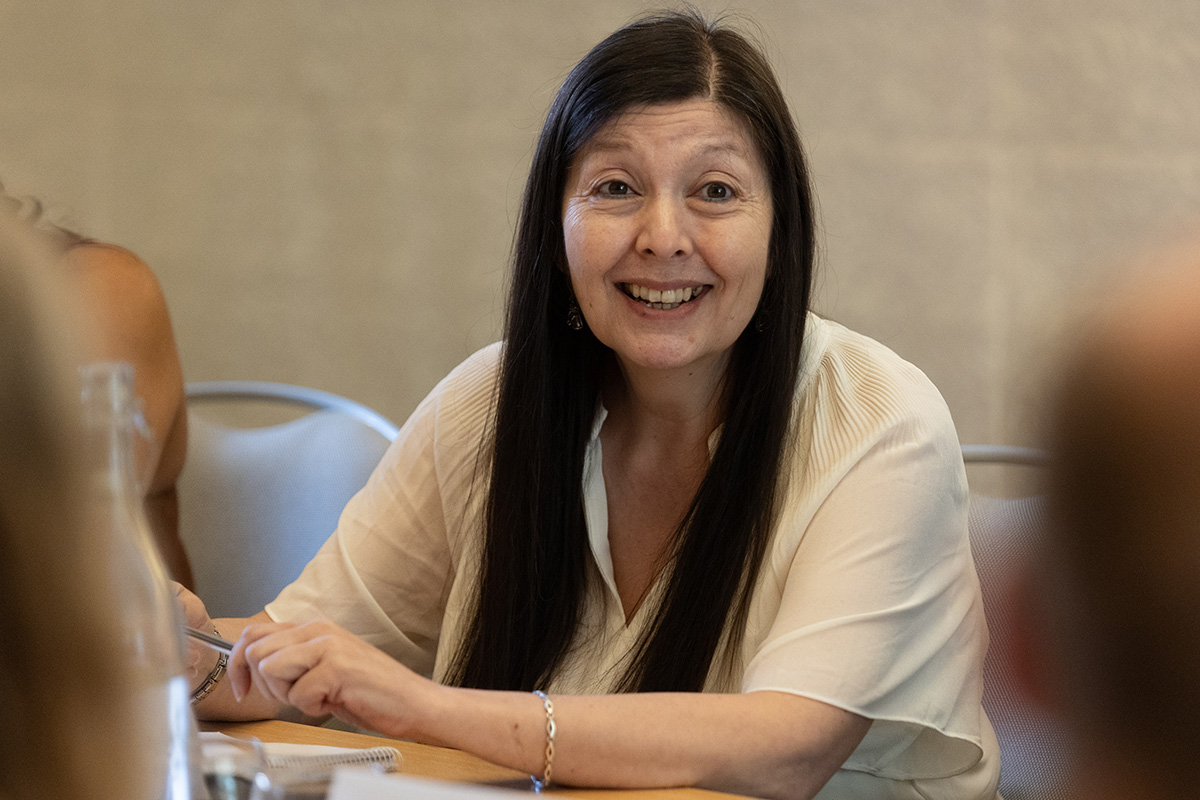
“It’s about future-proofing and taking into account that people who are living in a retrofitted property now may not be the ones who benefit, and may not be the same people who are there in a number of years’ time.”
She argues that it is not enough to engage residents using the potential benefits of decarbonisation.
“If there is going to be a downside, then you have to let them know, because they need to make sure they’ve got an informed choice,” she says.
Sometimes that frankness means deciding that particular decarbonisation methods aren’t going to suit certain households, says Andrew Tod, head of net zero carbon at Sureserve. Funding sources are not always conducive to that, he argues.
“Part of the problem with some of the funds that have been out there is that they push certain measures which are not going to be suitable for the properties nor the residents.
“I think you have to do the upfront work, do the assessments, do the engagement to understand what is actually going to work for those homes, what’s actually going to work for those residents. And if it doesn’t look like it’s going to fit with the measures that a fund is pushing forward, then don’t do them under the fund.
“Retrofit them separately. Look for private sources of funding. There are more and more private funds out there where you can do retrofit which is right for those buildings. There are going to be problems unless each house is viewed as a bespoke thing,” he says.
“We’ve got a big challenge ahead of us [with decarbonisation], but rushing forward and not doing this properly actually sets us 10 steps back,” concludes Ms Kellay.
“It seems obvious to me that going forward slowly but well is a wise thing to do.”
Participants
Martin Hilditch (chair)
Editor, Inside Housing
Robert Ditsell
Project manager, London Borough of Havering
Maria Hill
Senior resident liaison officer, London Borough of Havering
Aneaka Kellay
Citizen and community engagement lead, Carbon Co-Op
Lucja Paulinska
Head of environmental sustainability, The Guinness Partnership
Antoine Pellet
Head of retrofit credits, HACT
Lisa Rae
Resident representative, Peabody
Ingrid Smith
Resident representative, Peabody
Andrew Tod
Head of net zero carbon, Sureserve
Kate Watson
Principal consultant for sustainable communities and industries, Turner & Townsend
Justine Williams
Decarbonisation engagement officer, Hafod
Sign up to our Best of In-Depth newsletter

We have recently relaunched our weekly Long Read newsletter as Best of In-Depth. The idea is to bring you a shorter selection of the very best analysis and comment we are publishing each week.
Already have an account? Click here to manage your newsletters.
Related stories