You are viewing 1 of your 1 free articles
A trauma-informed approach to resident engagement in supported housing
Resident feedback is a cornerstone of good social housing management, but gathering it is very challenging in supported housing, says Ian MacGregor, chief executive of registered provider Sustain UK



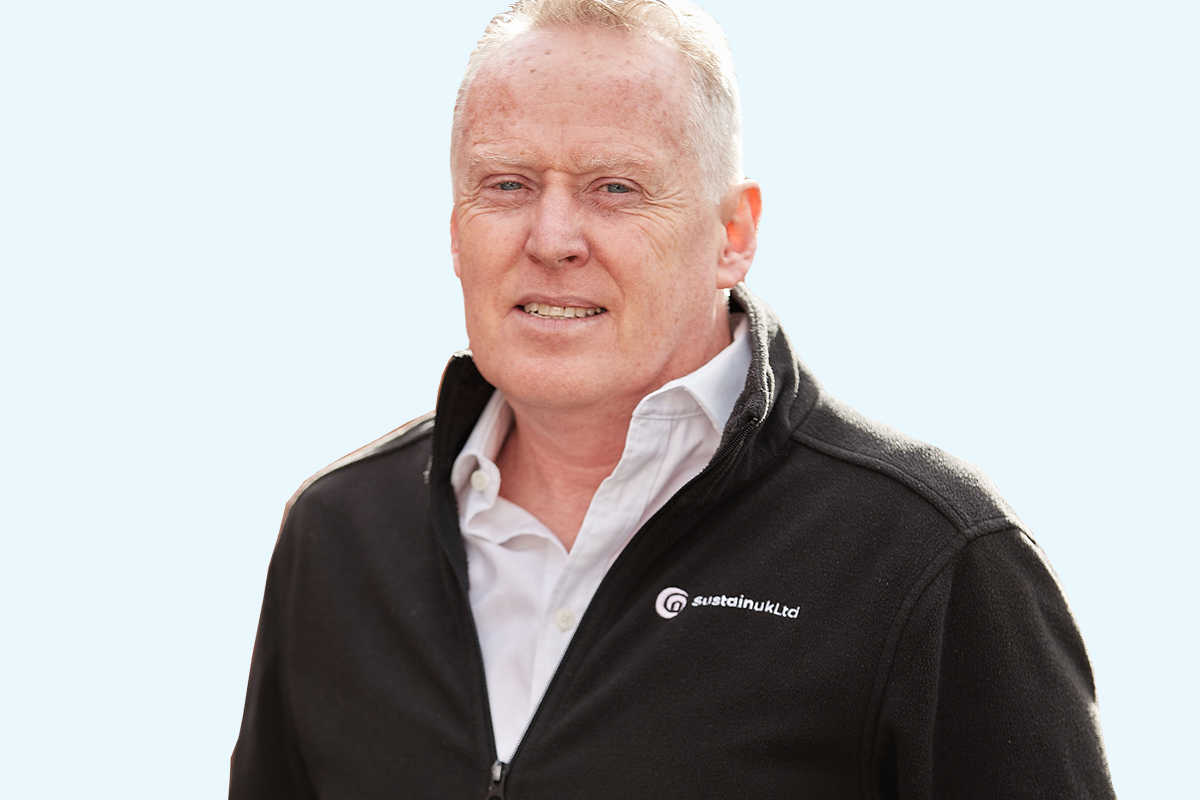
Ian MacGregor is chief executive of Sustain UK
 Resident feedback is a cornerstone of good social housing management, but gathering it is very challenging in supported housing, says Ian MacGregor, chief executive of Sustain UK #UKhousing
Gathering resident feedback is a cornerstone of good social housing management, allowing landlords to address concerns, improve services and ensure tenants feel safe and heard.
In supported housing, where residents often face complex challenges such as addiction, serious mental health conditions and disabilities, gathering feedback is just as important, but significantly more challenging.
Unlike general social housing, where tenant surveys provide a relatively simple snapshot of satisfaction, supported housing requires a more nuanced, compassionate and people-focused approach.
The stakes are high: genuine, constructive feedback is essential to providing the right support for some of society’s most vulnerable individuals.
Read more


Following the introduction of tenant satisfaction measures (TSMs) in April 2023, all regulated social landlords are now required to obtain annual resident feedback through structured tenant surveys. These measures are designed to capture tenant perceptions and key performance data on issues such as home repairs, building safety, complaints-handling, tenant engagement and neighbourhood management.
For supported housing providers, these surveys also serve another essential function: they offer insight into the effectiveness of specialist support services. Given the vulnerability of many residents, a deeper level of feedback is necessary to assess whether housing and support services are meeting their needs.
This feedback can highlight gaps in care, flag concerns about safety, and even act as an early warning system for potential crises in shared accommodation settings. In turn, this can reduce anti-social behaviour (ASB), prevent community disruptions and enhance overall tenant well-being and happiness.
“Given the vulnerability of many residents, a deeper level of feedback is necessary to assess whether housing and support services are meeting their needs”
Securing resident feedback in supported housing comes with inherent challenges. Many tenants have experienced severe trauma, making it difficult for them to trust landlords or external authorities. For some, engaging with surveys, especially those delivered through formal, structured methods, can feel intimidating or even pointless. Others may struggle with literacy or digital exclusion, making traditional survey methods inaccessible.
There is also the issue of disengagement. While mainstream social landlords often struggle to connect with hard-to-reach households, supported housing providers often face passive residents who prefer to avoid engagement altogether. Many supported housing tenants live in a constant state of survival mode, focusing on their immediate personal challenges rather than wider housing concerns.
To overcome these barriers, supported housing providers must adopt a more flexible and empathetic approach to feedback collection. Direct engagement from housing teams can be beneficial, but residents are far more likely to be open and honest with familiar faces, whether that be their home provider contact or support worker. This means embedding feedback processes into existing relationships of trust.
Sustain UK, a registered provider of supported housing in Birmingham, has achieved a 30% tenant response rate – 400 responses from 1,300 residents – an impressive feat in a sector where engagement is typically low. A key part of this success is meeting residents where they are. Rather than relying solely on impersonal surveys, Sustain UK has trialled various engagement approaches and found that feedback is most effectively gathered through trusted intermediaries who can guide residents through the process.
Trust is the foundation of effective feedback collection. Many supported housing residents have histories of neglect, abuse or systemic failure, making them understandably wary of authority figures. Trauma-informed practices can help break down these barriers, ensuring that residents feel safe, respected and empowered to share their thoughts.
This means creating safe spaces, both physical and emotional, where residents can voice concerns without fear of repercussions. It also means training staff to approach feedback conversations with sensitivity, avoiding leading questions and ensuring residents feel in control of their input. For those who struggle with literacy, verbal feedback sessions or assisted survey completion can be game-changers.
“To overcome these barriers, supported housing providers must adopt a more flexible and empathetic approach to feedback collection”
Technology also plays a role. While digital exclusion is a concern, many supported housing residents now use smartphones, particularly after the pandemic. Sustain UK has successfully used QR codes posted on houses in multiple occupation (HMO) notice boards, allowing residents to access surveys on their own terms. Support workers also play a crucial role in signposting and assisting those who need extra help.
Beyond compliance with regulatory requirements, meaningful tenant feedback can drive tangible improvements in supported housing. It provides valuable data on recurring issues, such as maintenance concerns, safety risks and instances of ASB, allowing housing providers to intervene before problems escalate.
ASB is a significant issue in HMOs, where unchecked disturbances can impact the well-being of vulnerable residents. If feedback highlights ASB concerns, supported housing providers can respond quickly, investigating and addressing issues before they begin to spiral.
Regular tenant feedback forums, resident newsletters and informal social events can further support engagement, reinforcing a culture where residents feel heard and valued. At Sustain UK, a combination of formal surveys and informal feedback mechanisms has resulted in a 96% resident rating for fair and respectful treatment, alongside a 94% overall tenant satisfaction score. These figures demonstrate the impact of a tenant-first approach.
The process of gathering feedback in supported housing is complex, but it is also essential. By adopting compassionate, person-centred approaches, providers can break down barriers, build trust and ensure that residents receive the support they deserve.
This is not just about fulfilling regulatory requirements, it’s about creating an environment where tenants feel valued, respected and empowered to shape the services designed to support them.
The better we listen, the better we can serve those who rely on supported housing to rebuild their lives.
Ian MacGregor, chief executive, Sustain UK
Sign up for our tenancy management newsletter
Already have an account? Click here to manage your newsletters
Related stories