You are viewing 1 of your 1 free articles

Can brownfield development be the answer to the housing crisis?
A new report calls for development on the green belt to tackle the UK housing crisis. But we must not forget the importance of brownfield sites, argues Jason Tema


 Can brownfield development be the answer to the housing crisis? #ukhousing“Rather than putting so much hope on green belt land, we must not forget the UK’s vast amount of brownfield sites and dilapidated buildings that are just waiting to be rejuvenated,” says Jason Tema #ukhousing“Not only would the creation of communities on brownfield sites protect nature, it holds real potential to boost the number of new build homes including much-needed affordable properties,” says Jason Tema #ukhousing
The UK housing crisis – it’s a powerful topic that can spark heated debates, yet at the same time tightens cross-sector relationships between industry professionals.
Whether you are a social landlord, house builder, property developer or estate agent, the vast majority would agree that more homes need to be built. The question remains: where? But the answer continues to differ.
Businesses such as Argent, Berkeley Group and Clarion Housing Group have recently joined forces with academics from Saïd Business School at the University of Oxford, University College London and the London School of Economics.
The groups were among those behind a report published this month entitled: How to Solve the Housing Crisis.
The report suggests that in order to hit the government’s goal of building six million new homes in the next 20 years, we must build on 1.5% of England’s undeveloped land – green belt land, that is.
Read more

The report continues by saying that developing around 2% of the country’s green belt could deliver between 12% and 20% of space needed for the required homes. Extra provisions could be made for green schemes on this land.
Although these figures sound fantastic, we must ask ourselves: if it is a good idea to build on green belt land during times of growing air pollution?
“Rather than putting so much hope on green belt land, we must not forget the UK’s vast amount of brownfield sites and dilapidated buildings that are just waiting to be rejuvenated”
Or could this actually result in consumers turning against the building industry? As to almost everything in life, the answer might be ‘balance’.
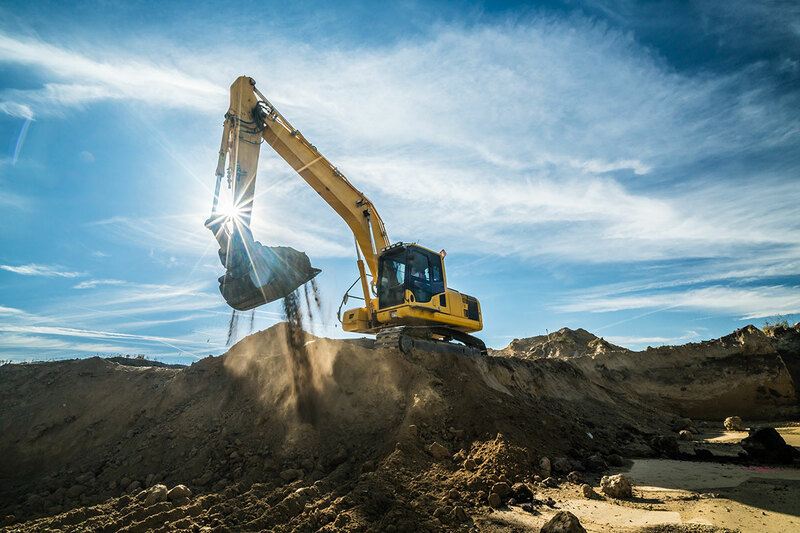
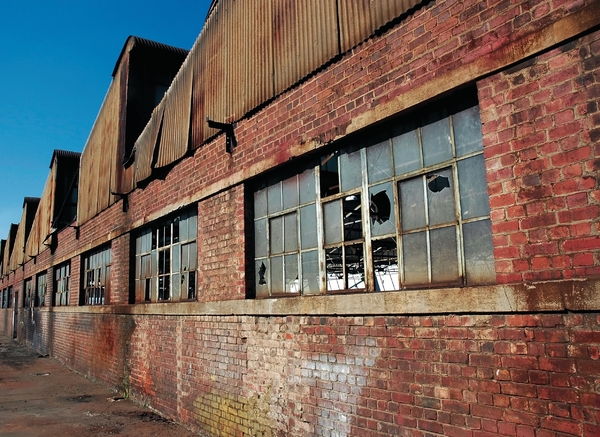
Rather than putting so much hope on green belt land, we must not forget the UK’s vast amount of brownfield sites and dilapidated buildings just waiting to be rejuvenated.
Supporting this thought is the government report Living with Beauty, released by the Building Better, Building Beautiful Commission in January.
This report called for more industry action to recycle existing buildings that improve local communities. According to the Campaign to Protect Rural England, there are more than 18,200 brownfield sites in the UK – covering in the excess of 26,000 hectares.
Even allowing for a relatively low housing density of 41 homes per hectare, England has sufficient brownfield land to build more than one million new homes. These are serious figures that cannot be ignored if we want to create the housing stock that is required.
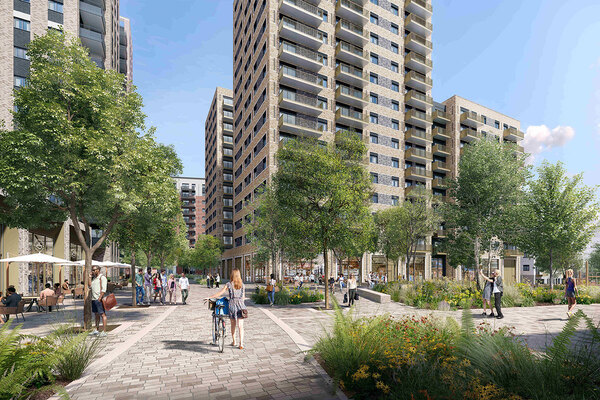
Not only would the creation of communities on brownfield sites protect nature, it holds real potential to boost the number of new build homes including much-needed affordable properties.
Particularly the social housing sector will benefit from this, according to research carried out by Edaroth, a subsidiary of engineering and project management consultancy Atkins.
“Not only would the creation of communities on brownfield sites protect nature, it holds real potential to boost the number of new build homes including much-needed affordable properties”
The report finds that brownfield sites are often located in communities in which low to median-income households struggle to find truly affordable homes.
Developing local authority-owned brownfield land for social housing would allow councils to improve the value of the land assets and to generate rental income, which might be food for thought.
Jason Tema, director, Clearview Developments
Related stories