You are viewing 1 of your 1 free articles
Social landlords must be ‘more imaginative’ on prevention as health shifts to neighbourhoods, says Clarion boss
Housing associations need to be “more imaginative” on health and prevention as the system shifts towards neighbourhood healthcare, Clarion’s chief executive has said.


 Social landlords must be ‘more imaginative’ on prevention as health shifts to neighbourhoods, says Clarion boss #UKhousing
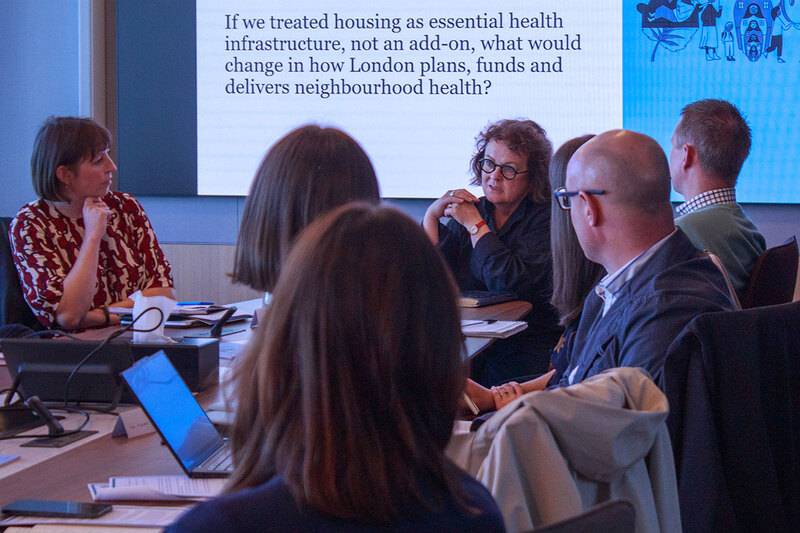
During a roundtable hosted by Clarion yesterday, senior leaders from across housing and health discussed how the London social housing sector can play a bigger role in improving community health outcomes.
The government’s shift towards neighbourhood health – where care moves out of hospitals and closer to home – presents a “significant opportunity to embed housing at the heart of prevention”, Clarion said ahead of the event.
Clare Miller, the G15 landlord’s chief executive, said: “This is one of the big challenges for housing associations as we look to redefine our role.”
Read more
She continued: “If I was pushed, probably I would say investing in our homes is the biggest impact that we can have in terms of health outcomes for our residents.
“But if we only do that, that’s maybe a very insular view – it’s our comfort zone, it’s what we’ve done for many, many years – [and] I think maybe we miss an opportunity to be more of an agent for change in the neighbourhoods in which we work.”
Ms Miller said social landlords house some of the poorest households in the country “with some of the worst health outcomes”.
“It is a daily challenge for my staff, who are out and about trying to help residents. So I think we need to be more imaginative in this space,” she said.
As well as investing in existing stock, Ms Miller highlighted the importance of building new homes so that landlords can “retire some of the homes that, frankly, are at the end of their life”.
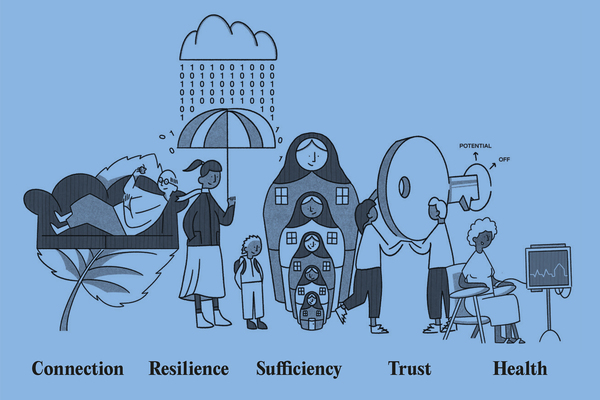
The roundtable came off the back of Clarion’s Five New Giants of Opportunity report, launched last year, which called for a new social contract for housing to address the threats to quality of life affecting communities across the UK.
Leaders at the roundtable also discussed how to move beyond isolated pilots and scale up housing and health initiatives, as well as how to improve conversations between professionals from different sectors.
Andrew van Doorn, chief executive officer of HACT, who also chaired the event, said there needs to be “an explicit consideration around housing as part of health conversations”.
“If we’re honest, often housing is a kind of a side hustle in health thinking, but actually, what we’ve heard, and we know... it’s not a side hustle. It’s core and fundamental to those things that drive poor health outcomes for people.”
Mr van Doorn also stressed the importance of ensuring social landlords are part of decision-making.
He said: “How do we make sure that the social landlords – who are the deliverers of the vast majority of social housing in London [alongside] local government – how do we make sure that they’re at the table?
“Because they’re the organisations with the professional workforce, with the assets, they’re the people who are going into homes.
“How do we make sure that landlords and the G15 and others are in that conversation? And how do we ask and make sure that the NHS and health planners think about that?”
He said the neighbourhood health agenda is “a massive opportunity to get this right, because it is transferring resource”.
Michael Bell, chair of NHS West and North London Integrated Care Board (ICB) and chairman of Lewisham and Greenwich NHS Trust, told attendees that his ICB is shifting significant resources out of hospitals and into the community.
He said: “We will be shifting £120m this year. By the end of the three-year period, we will have shifted between £350m and over £700m from acute care into neighbourhood health.
“This is dramatic. This will make a real difference – £700m goes quite a long way in the acute sector, but not that far. In primary care and in community services, that’s transformative, absolutely transformative.
“So the future is potentially bright. We need to work with you to make sure that we’re getting housing around the table.”
Sign up to Inside Housing’s Daily News bulletin
Sign up to Inside Housing’s Daily News bulletin, featuring the latest social housing news delivered to your inbox.
Already have an account? Click here to manage your newsletters.
Related stories