You are viewing 1 of your 1 free articles

Focusing on whether we should use ‘unhoused’ in place of ‘homeless’ could distract from the actual problem
There have been arguments for and against over using the term ‘unhoused’ in place of ‘homeless’. But changing the language now could cause friction between those using different terms and takes focus away from the problem itself, says Anna Clarke


 There have been arguments for and against over using the term ‘unhoused’ in place of ‘homeless’. But changing the language now could cause friction between those using different terms and takes focus away from the problem itself, says Anna Clarke #UKhousing
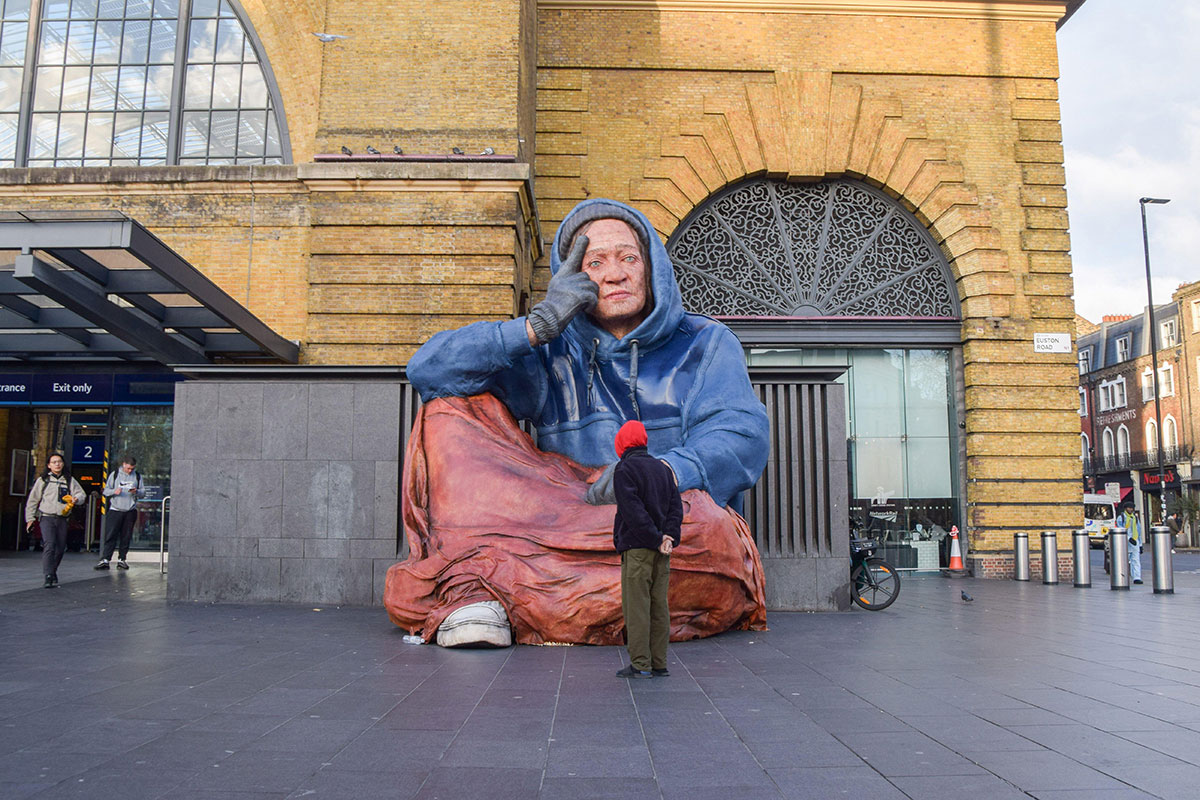
Have you ever used the word ‘unhoused’? The term has gained considerable traction as an alternative to ‘homeless’ in the US and is now starting to creep into UK discussions too, including in this very magazine.
Proponents argue that homeless has become a stigmatised term, and that referring to people as ‘unhoused’ puts the focus on a current situation, rather than a type of person.
It’s certainly the case that using homeless as a noun (‘the homeless’) can suggest a fixed group of people with entrenched issues. And it wouldn’t be the first time that factually accurate words have fallen out of favour because of the stigma that they carry, for example we don’t generally speak about ‘tramps’ or ‘vagrants’ anymore.
On the flip side, some fear that the term unhoused is an effort to ‘sanitise’ the experience of homelessness – it’s less emotive and has a more technocratic feel. The stigmatising associations of the word homelessness also prompt awareness that being homeless can mean lot more than lacking a house.
Discussing the issue on Twitter, one formerly homeless woman argued: “Living in a hostel was no joke and telling me I was ‘unhoused’ would have rubbed salt into the wound. Tell it like it is, if someone has no home to give them support, stability and a nurturing environment – they are homeless.”
Read more

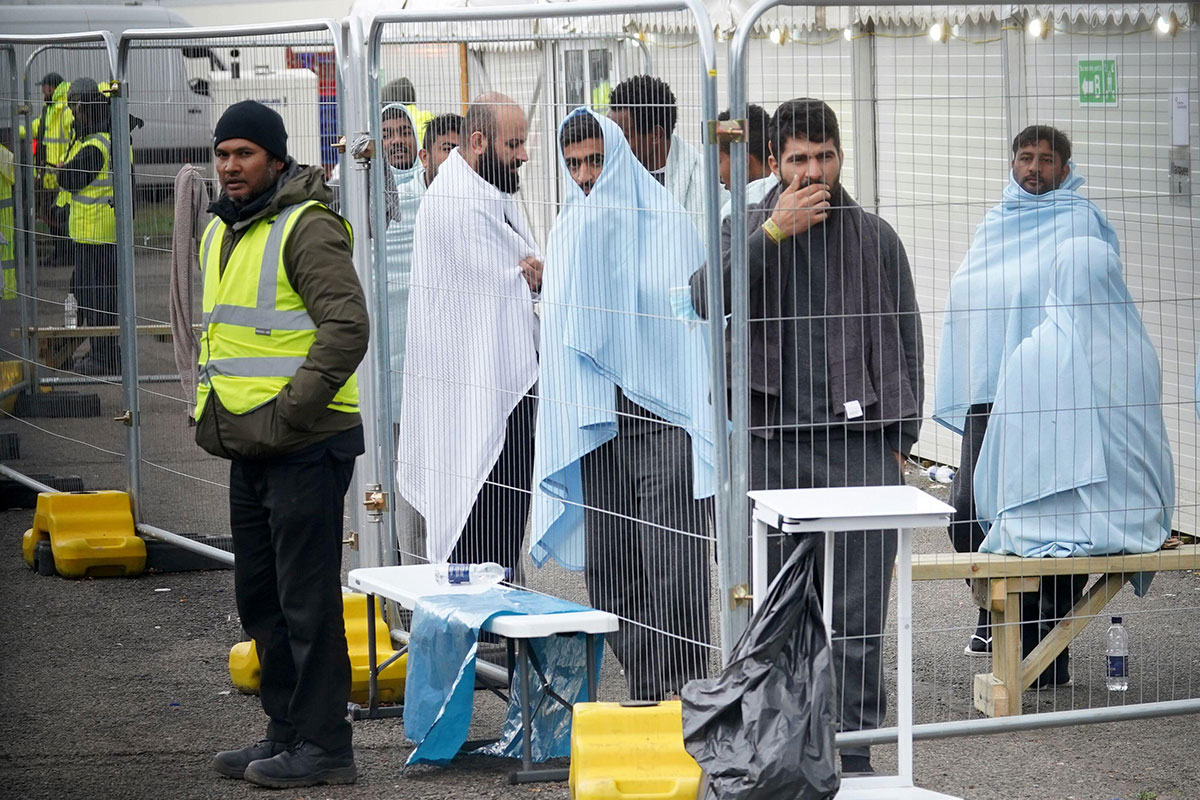
Not everyone feels the same. People who find themselves in housing difficulties but don’t engage with homeless services may be reluctant to label themselves as homeless, for example.
I’ve interviewed young people for research about their housing problems and been amazed how bad a housing situation some can end up in – sleeping in cars or on workplace floors – but still deny they were ever homeless. “Oh no, I wasn’t homeless. I had a job,” they’d say.
Homelessness encompasses the term ‘home’, which research by the Joseph Rowntree Foundation has found is a concept people relate well to: a home being essential for well-being and a decent life. In contrast, housing is seen more as a consumer product – campaigning for more homes tends to work better than campaigning for more housing.
“There is one other benefit of the term unhoused, however, and that is that it puts the onus on someone else to house the person”
The terms unhoused and homeless aren’t entirely interchangeable semantically, of course. Someone with a roof over their head is housed, but may not feel that they have a home, especially if their accommodation is temporary or within an institution.
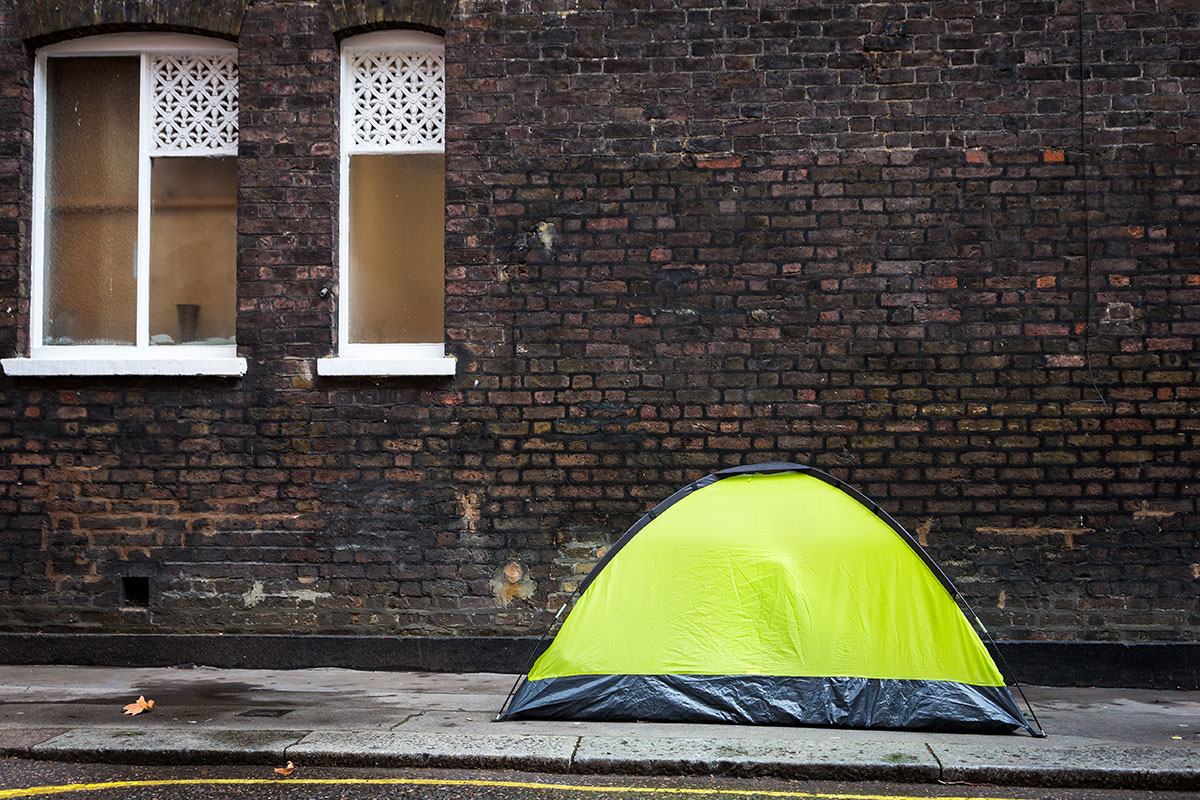
Unhoused is a term maybe more akin to rough sleeping or street homelessness. This may reflect the term’s US origins, where discussions around homelessness tend already to focus largely on street homelessness. This may mean that the word doesn’t catch on as readily in the UK, at least when we want to talk about homelessness in a broader sense.
There is one other benefit of the term unhoused, however, and that is that it puts the onus on someone else to house the person. Someone is homeless because they’ve somehow lost their home. But if they’re unhoused, then society has left them unhoused.
The link between homelessness and the need for more housing is clear.
This is something I think we need to shout from the rooftops. It’s at the heart of our mission at The Housing Forum – increasing housing supply is critical to enabling a quality home for all.
So how does language shape solutions? Local authorities have a duty to help homeless people. If we talked about their duties to unhoused people, might that help shift the argument towards the need to provide more housing?
When a new housing minister takes up their role, the first thing they often ask is, “How do we tackle homelessness?” If they were asking how to reduce the numbers of unhoused people, might that lead them towards providing more housing as a solution, rather than crackdowns on street homelessness?
“Ultimately, homelessness is well understood as a term. Trying to change language may alienate people for little gain… when what we should be focusing on is the problem itself”
If I look for solutions to homelessness, people may point me to poverty, insufficient mental health support or care system failure. But all these factors just stack the dice against some people. If supply is so lacking that rents are high and waiting lists are long, someone will always lose out in the scramble for housing.
It’s the lack of housing that increases homelessness more than any other factor – even if it’s those with many other challenges in life who are the most likely to end up without. If housing was plentiful, those without resources might have the least choice, but still they’d be housed.
All this said, ultimately, homelessness is well understood as a term. Trying to change language may alienate people for little gain, causing friction between those using different terms, when what we should be focusing on is the problem itself.
Anna Clarke, director of policy and public affairs, The Housing Forum
Sign up for our homelessness bulletin

Already have an account? Click here to manage your newsletters
Related stories