ao link

You are viewing 1 of your 1 free articles

Welsh ombudsman to investigate disrepair handling at two landlords as evidence suggests ‘systemic maladministration’

The Public Services Ombudsman for Wales (PSOW) has decided to go ahead with two investigations into how social landlords respond to damp and mould concerns, following a consultation last year.
Linked InTwitterFacebookeCard
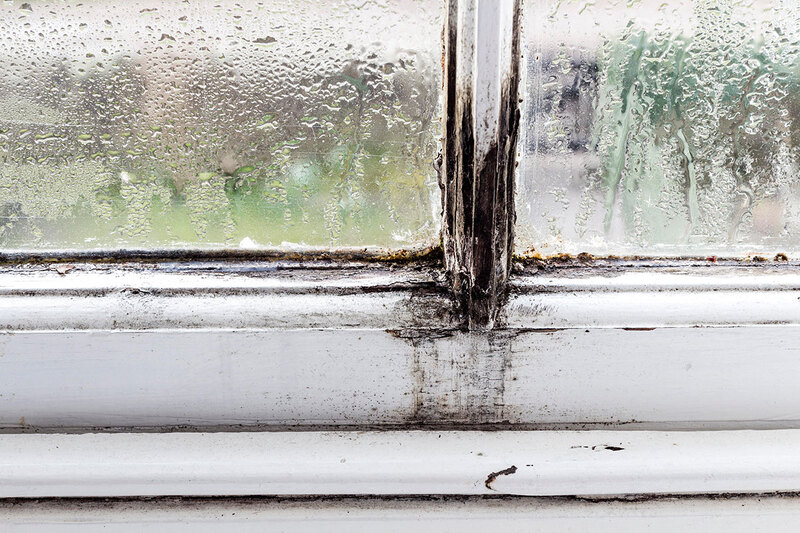
Black mould on a window
The investigations will have a particular focus on how landlords respond to reports of damp and mould (picture: Alamy)
Sharelines

LinkedIn IHWelsh ombudsman to investigate disrepair handling at two landlords as evidence suggests 'systemic maladministration' #UKhousing

In November, the ombudsman said it was considering launching an ‘own initiative’ investigation into how providers respond to reports of disrepair, with a particular focus on damp and mould.

An investigation of this type can be undertaken if PSOW believes “something may have gone wrong with public services” and if the issue could adversely affect a large group of citizens.

The ombudsman carried out a consultation starting in November, seeking views on whether it is in the public interest to investigate the matter, and has now decided to proceed with investigations into two housing associations.


Read more

New rule for Welsh landlords dealing with damp and mould to come into force under WHQS from AprilNew rule for Welsh landlords dealing with damp and mould to come into force under WHQS from April

“After considering the evidence, the ombudsman concluded the statutory criteria for using ‘own initiative’ powers are met and has proposed two investigations under the Public Services Ombudsman (Wales) Act 2019,” PSOW said in a statement.

Inside Housing asked which housing associations the ombudsman is investigating, but the watchdog said it was unable to share the information at this stage.

Its consultation outcome report said the evidence is “suggestive of potential systemic maladministration in how social housing providers are responding to reports of disrepair, damp and mould from vulnerable tenants”.

The ombudsman will write to the organisations individually, outlining the proposed investigations and inviting comments.

The PSOW said evidence from the consultation indicated that vulnerable tenants may be “disproportionately affected”, including disabled people, older people, families with children, those on low incomes and people from Black, Asian and minority ethnic backgrounds.

“Respondents described the serious impact that unresolved disrepair, damp and mould can have on health, well-being and independence, and agreed that progressing these investigations would be in the public interest,” the ombudsman added.

The PSOW’s own casework had identified delays and “inconsistent responses” to reports from tenants, with just over 19% of new complaints in 2024-25 relating to social housing.

In the same year, there were 79 cases relating to disrepair and damp and mould, and the PSOW recently issued four public interest reports against Cardiff and Flintshire Councils and Trivallis.

Trivallis was told to pay compensation to two tenants after the watchdog identified “systemic weaknesses” in its repairs service, with one tenant being left with outstanding work for nearly seven years.

During the first three quarters of the current financial year, the PSOW has intervened early with investigations in 43 cases relating to disrepair, damp and mould.

From April, a new requirement for social landlords to investigate serious hazards such as damp and mould within 24 hours will come into force under the new Welsh Housing Quality Standard (WHQS).

The ombudsman said it will take account of these changes for the sector, but that investigations are still necessary regardless of the new standard.

“Even without the responsibilities arising from the new WHQS, social housing providers should be responding to reports of disrepair, damp and mould in line with their internal policies and guidance,” the report said.

Michelle Morris, public services ombudsman for Wales, said: “Our casework, investigations and the consultation responses show that unresolved disrepair, damp and mould can cause serious harm, especially for vulnerable tenants.

“While the sector is changing, including the updated Welsh Housing Quality Standard coming into force in April 2026, the evidence suggests problems persist. These proposed investigations will identify learning and support improvement, transparency and accountability.”


Sign up to Inside Housing’s Wales newsletter


Sign up to Inside Housing’s Wales newsletter, a fortnightly round-up of all the key news and insight affecting the Welsh affordable housing sector.

Click here to register and receive the Wales newsletter straight to your inbox.

And subscribe to Inside Housing by clicking here.

Already have an account? Click here to manage your newsletters.