You are viewing 1 of your 1 free articles
Going further on warmer homes for Londoners
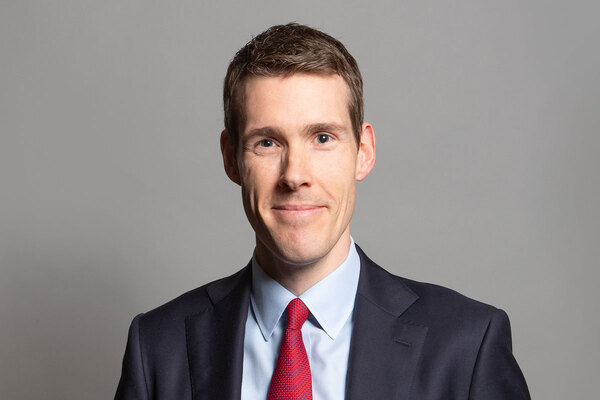
The new Warmer Homes London programme aims to take a long-term approach to upgrading the capital’s homes and delivering the long-promised retrofit revolution, say Mete Coban, deputy mayor of London for environment and energy, and Kieron Williams, leader of Southwark Council



Mete Coban is deputy mayor of London for environment and energy, and Cllr Kieron Williams is leader of Southwark Council, and executive
...more The Warmer Homes London programme aims to deliver the retrofit revolution, say Mete Coban, deputy mayor of London, and Kieron Williams, leader of Southwark Council #UKhousing
Every winter, hundreds of people across our country die prematurely as a direct result of living in cold and draughty homes. It is a tragedy that is entirely avoidable.
Not only does the UK have the worst-insulated homes in Europe, losing heat three times faster than typical German homes, but our progress in upgrading them over the past 14 years has been woefully slow.
It does not have to be this way.
Read more


In 2010, over 1.5 million homes were insulated annually. But in 2013, the then government “cut the green crap” and that number plummeted, hitting fewer than 200,000 in 2024. Inadequate government funding, combined with a Hunger Games-style approach that forced councils to compete for limited resources, led to a lost decade of short-term, insufficient solutions.
As a result, in 2022, 15% of homes in the UK failed to meet the Decent Homes Standard, and nearly one in 10 private rented homes had damp issues.
This is a social justice issue that affects some of our most vulnerable residents.
“Inadequate government funding, combined with a Hunger Games-style approach that forced councils to compete for limited resources, led to a lost decade of short-term, insufficient solutions”
Thankfully, the new government is adopting a different approach. Landlords will face stricter standards and £1.79bn will be invested in making homes warmer and greener between 2025 and 2028. This includes £202m for London, the biggest investment our city has ever seen.
To align with this, Sir Sadiq Khan, the mayor of London, and London Councils have launched Warmer Homes London, a programme aimed at upgrading the capital’s housing and delivering the long-promised retrofit revolution.
This partnership prioritises social housing, with the mayor unlocking an additional £10m to increase the quality of homes in our city.
Warmer Homes London addresses the start-stop funding issues of the past, offering a stable, long-term approach to make homes warmer, more affordable and energy efficient. This unified strategy positions us to effectively utilise national funding, ending the previous competition between boroughs.
It is a programme that will deliver for Londoners and our planet – creating healthier homes with lower bills, cutting our city’s carbon emissions and creating jobs and growth.
The previous government’s lack of consistent funding left small and medium-sized enterprises uncertain about future projects. Warmer Homes London provides the stability these businesses need to plan and grow, supporting job creation and growth.
“By focusing on upgrading homes, we can not only reduce carbon emissions, but also reduce fuel bills and tackle health issues like mould and damp, improving people’s health and life chances”
Housing contributes significantly to London’s carbon emissions. The mayor’s low-carbon cccelerator programmes have saved an estimated 157GWh since 2016, enough to power 13,000 homes annually. In 2024, these programmes are projected to save over 50,000 tonnes of carbon, equivalent to nearly 85,000 flights from London to New York.
Importantly, Warmer Homes London is a matter of social justice. By focusing on upgrading homes, we can not only reduce carbon emissions, but also reduce fuel bills and tackle health issues like mould and damp, improving people’s health and life chances.
This initiative exemplifies London’s leadership in the green transition, showcasing how collaboration between the mayor and London’s councils can deliver large-scale, impactful change.
In the face of the climate emergency, programmes like Warmer Homes London demonstrate that tackling environmental challenges can drive economic growth, improve public health and reduce living costs, leading to a better country for all.
Mete Coban, deputy mayor of London for environment and energy, and Kieron Williams, leader of Southwark Council and executive member for transport and environment, London Councils
Sign up for our asset management and sustainability newsletter
Already have an account? Click here to manage your newsletters
Related stories