3 things we learned from the Repairs Tracker 2026
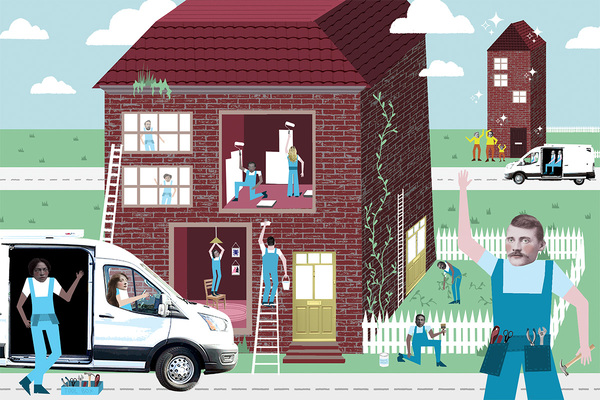
Inside Housing has dug into the Global Accounts to find out more about what housing associations spend on maintaining their homes. Ellie Brown rounds up the three biggest takeaways from this year’s Repairs Tracker. Illustration by Pig Meat


 Inside Housing has dug into the Global Accounts to find out more about what housing associations spend on maintaining their homes #UKhousingEllie Brown rounds up the three biggest takeaways from this year’s Repairs Tracker #UKhousing
Repairs are key for social landlords to get right – from keeping tenants safe to complying with regulations and balancing costs to fund development.
One way to see how the sector is attempting to meet this challenge is delving into the Regulator of Social Housing (RSH) Global Accounts, which show what the largest 200 registered providers are spending on repairs.
Read more

In our exclusive analysis of the 2024-25 accounts, which we published this week, Inside Housing breaks down what individual providers are spending and why.
So what are the main trends from the data, and what are the reasons behind them? For the full analysis, you’ll need to read our Repairs Tracker 2026, but here are three of the main takeaways.
1. Costs are still rising, for multiple reasons
The overall cost of repairs and maintenance for providers grew by 13% in 2024-25 compared to the previous year, including a 16% rise in major and capitalised repairs and an 11% hike in responsive repairs.
Within these numbers are myriad different stories about what is going on in different housing providers, which we go into more in the full story. However, across the sector, the combined spend has risen for the fourth year in a row. The £10bn headline figure marks a new record high for the sector, and future forecasts indicate repair costs will average around £11bn per year.
Inflation has played a part, along with what one expert calls “unprecedented” additional demands on providers as regulations have toughened.
Fire safety and remediation works and ambitious energy efficiency programmes have also played a part – we get into this in more detail in the full analysis.
2. Interest cover is at stake
This ever-increasing rise in repairs spending is affecting interest cover – a measure of landlords’ ability to pay off debts that usually includes major repairs costs.
For the second year in a row, the overall sector’s interest cover fell, meaning it stayed below 100%.
But, for the first time, the RSH separated out the 19 largest providers, showing that for this group interest cover is at 77%, whereas without them the rest of the sector is recording a healthier 98%.
Peter Hubbard of Anthony Collins pointed out that many of the biggest housing associations are operating in London, where operating costs are greater and more buildings fall into the high-risk category, meaning they need more safety works.
3. Operating models and stock profile also have an impact
This year’s analysis also underlined how exposure to repair costs varies depending on the landlords’ operating model and stock profile.
Most of the housing associations that spent the least per home were for-profit providers, which tend to be newer entrants to the sector with more modern homes that have less need for repairs or major investment.
One exempt supported provider, which spent £0 per home in 2024-25, explained that its managing agent oversees maintenance.
In contrast, Clarion and Places for People, two of the UK’s largest and longest-operating landlords, cited the age of their stock as one of the reasons for their higher repairs spend.
For more on this, including searchable tables breaking down repairs spending, see our full Repairs Tracker.
Other recent big data features from Inside Housing
Risk Register Survey 2026
Kate Youde examines the financial reports of 100 of the biggest housing associations in the UK, to identify the strategic risks they are most concerned about impacting their operations
Inside Housing Chief Executive Salary Survey 2025
Inside Housing’s annual survey of the chief executives of the UK’s biggest housing associations reveals an average pay rise of £14,500 and a widening gender pay gap. Katharine Swindells reports
Top 50 Biggest Builders 2025
As the government has given development a shot in the arm, Inside Housing’s annual list of the top 50 Biggest Builders reveals which housing associations are building the most homes, what the tenure mix is and how their pipelines are faring. Jenny Messenger reports
Unlocking Section 106: what the data tells us is really going on
The government has chided housing associations for not buying enough Section 106 homes. Keith Cooper examines Inside Housing’s exclusive Biggest Builders data and talks to development directors across the sector to find out what is actually happening
How many toddlers and babies are living in temporary accommodation in the UK?
The government does not publish data on the numbers of young children in temporary accommodation, despite evidence that it has highly damaging impacts on child development and well-being. This live data dashboard uses Freedom of Information requests to track the numbers of under-fives living in temporary accommodation and B&Bs
Which housing associations have started the most homes?
Inside Housing’s exclusive data reveals the top 50 housing associations that started the most homes in the last financial year. Jenny Messenger reports
Biggest Council House Builders 2025
Which councils built the most homes in 2024-25? And how many did they complete? Jess McCabe reports
Sign up to Inside Housing’s Daily News bulletin
Sign up to Inside Housing’s Daily News bulletin, featuring the latest social housing news delivered to your inbox.
Click here to register and receive the Daily News bulletin straight to your inbox.
And subscribe to Inside Housing by clicking here.
Already have an account? Click here to manage your newsletters.
Related stories