You are viewing 1 of your 1 free articles

Law of perverse incentives
Recent policy changes may not work as intended, suggests Brendan Sarsfield, and feel like the ‘modern equivalent of PFI – benefit now, pay later’


Here is a list of recent policy changes and how they may not work quite as intended.
- Someone earning £40,000 per annum in Kensington could have to pay £50,000 per annum in rent in social housing. I’d give up work, as that is one hell of a regressive tax system.
- Moving social rented housing from being part of the community to a temporary safety net based on fixed term tenancies (FTT) won’t make people aspirational if the gap between social rent and home ownership is too high, or there are no other local housing alternatives. People will give up hope. There has to be a pathway between tenures for this to work. I write this as an early adopter of FTTs.
- Cuts in housing association rents will lead to less new homes being built and higher rents, and a higher housing benefit bill in the private sector.
- Cuts in tax credits will increase pressure on health and social care. Many staff working in this sector unfortunately rely on them. If funding doesn’t increase to compensate for the loss of income, the sector will soon be in crisis.
- The Right to Buy will stop housing associations investing in their existing homes, especially in energy efficiency measures that do not add any value to the home.
- The decrease in tax relief on Buy to Let will reduce investment in the private rented sector (PRS). It may not be a bad thing, but the PRS in the UK is driven primarily by the small, amateur landlord.
- The prices housing associations pay for Section 106s will drop, making schemes for developers less viable, which will lead to renegotiations, delays and less social housing on schemes.
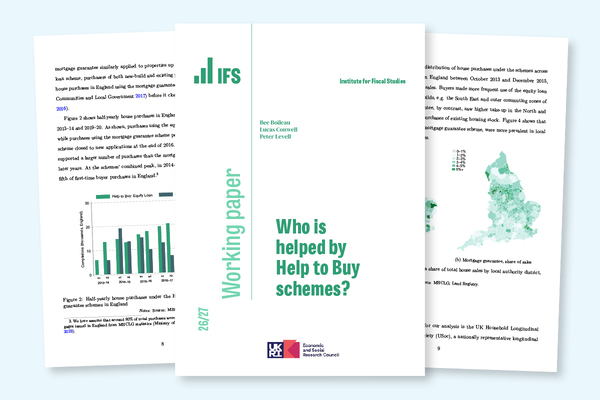
- ‘Help to Buy’ is ‘Help to Developers’ as it is a demand side incentive which inflates sales prices, thus excluding more people from home ownership, not making it more accessible.
- If social landlords successfully adjust to rents reducing in cash terms for four years, then the government will come back for more.
Of course there are perverse incentives in social housing, shared ownership and the safety net of the welfare state as they work today, but I don’t think the above collection of ideas will solve these problems in the long term.
I respect the government’s right to do these things. Family Mosaic will make them work as best we can but it does feel like the modern equivalent of PFI: benefit now, pay later. Short-termism at its best.
So, if the sector was changing social housing to make it an integral part of an aspirational, ‘low cost to the state’ agenda - how would we redesign it?
Brendan Sarsfield is chief executive of Family Mosaic
Read more

Related stories