You are viewing 1 of your 1 free articles
Castle Vale in Birmingham shows what happens when regeneration is done properly, writes Catherine Ryder, chief executive of Placeshapers
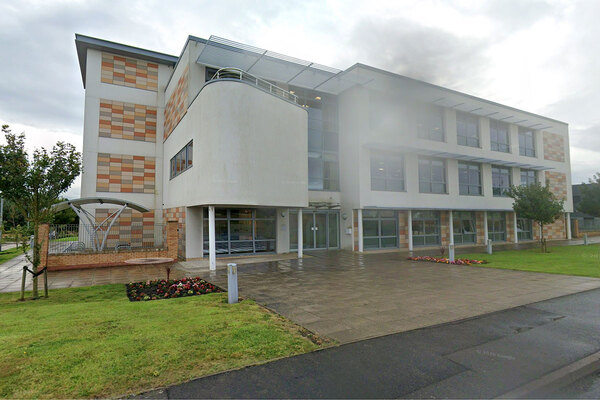
A few weeks ago, as part of our year of learning, we took members to Castle Vale in Birmingham, to see first-hand the work of Pioneer Housing Association.
Castle Vale is a community transformed. In the late 80s and early 90s, it was one of the most deprived estates in the country. A comprehensive regeneration programme, lasting 12 years, significantly improved the estate, reduced social problems, generated jobs and enhanced education.
Crucially, the transformation was not just physical. The institutions and partnerships created during that period, around housing, health, education and community leadership, continue to sustain the area decades later. Just as importantly, Castle Vale residents shaped the regeneration plans and continue to play a critical role in how the community works.
Castle Vale shows what happens when regeneration is done properly – the benefits are lasting, and the community continues to thrive.
Across the country, housing associations are working hard to build thriving places. Developing new homes is vital, and thanks to the recent Spending Review many are now more confident about what they can deliver in the next decade.
But building new homes is only part of the picture. In many towns and estates across the country, the issue is not supply, but quality. Whole streets, communities and estates are no longer fit for the families who live there.
“Without regeneration – knocking down homes and building new ones while improving the environment and opportunities for the people who live there – these places risk falling further behind”
Without regeneration – knocking down homes and building new ones while improving the environment and opportunities for the people who live there – these places risk falling further behind. Homes deteriorate, people leave, and shops and services follow.
There are good examples of regeneration happening now. Some are modest – replacing obsolete sheltered housing with new, mixed-tenure developments. The flexibility in the Affordable Homes Programme to fund regeneration, provided there is additionality, will help more of these schemes come forward.
Other projects are on a grander scale. In Newcastle the £121.8m remediation and infrastructure investment at Forth Yards will unlock new homes, businesses and private investment in a site that has been derelict for decades.
But too many places remain stuck. In parts of Cornwall’s old mining towns, for example, land values are too low and build costs too high for market-led regeneration to work. Without public intervention, the cycle of decline will continue.
The government has set out its ambition for a decade of national renewal. Yet housing-led regeneration is absent from that agenda.
This is a missed opportunity. Regeneration is not just about bricks and mortar, it can deliver far-reaching economic and social benefits. It can bring hope and opportunity at a time when that feels in short supply.
If we want to deliver on this ambition, we need a strategic approach to regeneration, backed by strong political leadership and a firm long-term commitment to the places that need regeneration. We need to look at what will work in different places to unlock regeneration at the scale needed.
“Regeneration is not just about bricks and mortar, it can deliver far-reaching economic and social benefits. It can bring hope and opportunity at a time when that feels in short supply”
Mayors in devolved areas may help push a more strategic approach to regeneration and their leadership and convening role could help secure a more ambitious approach to regeneration in some areas.
But I am not sure why regeneration is currently missing from the national conversation about the housing crisis and the national renewal agenda. We should not accept a two-tier housing system where some communities move forward while others are left to decline.
Over the coming months, Placeshapers will be looking to bring together evidence of success and of the risks of inaction, proposing ways to align housing with the government’s wider economic, social and climate goals.
We are looking forward to sharing this work with Inside Housing, through their Spotlight on Regeneration series, and working with other partners to continue to make the case that housing-led regeneration should be central to the government’s plans for a decade of national renewal.
Catherine Ryder, chief executive, Placeshapers
Whether your focus is building safety, sustainability, development, AI and digital transformation, housing management, procurement, or resident engagement, this is a must-attend event for all UK housing professionals.
Explore opportunities to increase affordable housing supply and improve the quality and sustainability of existing homes.
Already have an account? Click here to manage your newsletters
Related stories