You are viewing 1 of your 1 free articles
 Eddie Hughes
Eddie Hughes is a Conservative MP and former minister for homelessness and rough sleeping
The case for supported housing
Eddie Hughes says supported housing is a crucial safety net for people who have experienced, or are at risk of, homelessness


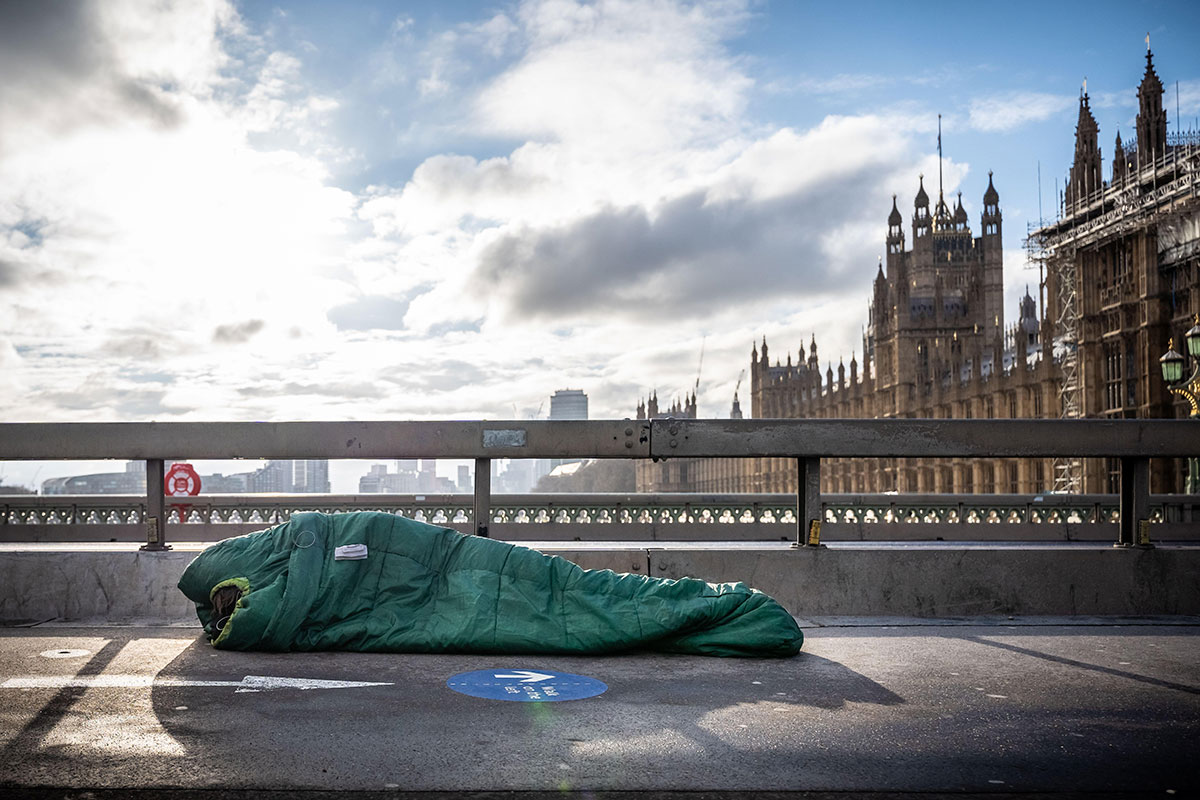 Former homeless minister @EddieHughes4WN says supported housing is a crucial safety net for people who have experienced, or are at risk of, homelessness #UKhousing
Anyone with first-hand experience of living or working in supported housing will know the profound impact it can have on people’s lives.
Before I became an MP, I worked for the YMCA in my hometown of Birmingham for a number of years and I got the chance to see the vital work that takes place in these schemes every single day.
These services help people with a range of support needs get back on a path that can lead to their own permanent home and stable employment. It can be truly transformative. As parliamentary under-secretary of state for housing and rough sleeping, I was careful to remember the people I met during that time in every decision I made.
For those who have experienced, or are at risk of, homelessness, supported housing is often the safety net they need. This is particularly true of those who have experienced rough sleeping, allowing them to access short-term housing and support to help them get back on their feet.
These specialist services rely on people staying a limited time before moving on to a more permanent home. However, this work is being constrained by blockages in the system: a shortage of long-term supported and social housing.
Read more
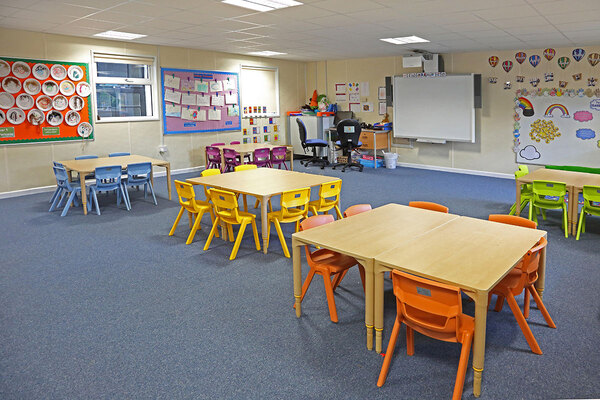


Last week, the National Housing Federation (NHF) published a landmark report looking at the impact of supported housing on the health and well-being of its residents and on wider public services. It reveals that more than half of people ready to move on from supported housing are being “blocked” by a lack of suitable homes.
At the same time, the research shows that when people do get the opportunity to move on from short-term supported housing, they can thrive. Each year, 50,000 people are resettled from transitional housing into long-term tenancies, half of whom have significant previous experience of homelessness, housing instability or have spent time in institutions.
“The benefits of supported housing are undeniable”
The support offered to them by supported housing helps them to access the advice and services they need to live independently in their new home. One example of this in last week’s report is Joe. He has bipolar disorder, was at risk of homelessness and had made attempts to take his life. Having been offered a six-week placement in a supported housing scheme, he was able to make longer-term plans for the future. He said that supported housing enabled him to “access support that made me feel safe and think about my longer-term goals”.
He told researchers he is now optimistic about his future and wants to become a peer support worker to help others with similar experiences.
Not only does supported housing provide transformative opportunities for its residents, it also benefits our society as a whole. This new research estimates that if supported housing ceased to exist tomorrow, it could cost the taxpayer more than £2.5bn annually and mean increasing pressure on a range of other services, including psychiatric units, residential care and prisons.
Supported housing providers have made it clear that the environment they are operating in has been getting tougher, with costs rising across the board.
Homeless Link’s Keep Our Doors Open campaign highlights the impact of these issues and questions the long-term viability of homelessness services if an uplift in funding to mirror rising costs is not made available.
In a recent NHF survey, 69% of supported housing providers said they would build more homes if conditions allowed, but cited financial viability as the top barrier. This gives a sense of both the ambition of the sector, and the reality of its situation.
The benefits of supported housing are undeniable – it is a tried and tested way of helping people in crisis and improving lives. With rough sleeping increasing by 26% in the past year, we should be embracing each and every opportunity to end homelessness and rough sleeping for good.
Supported housing offers us exactly that.
Eddie Hughes, former under-secretary of state for housing and rough sleeping
Sign up for our homelessness bulletin

Already have an account? Click here to manage your newsletters
Related stories