You are viewing 1 of your 1 free articles
The developing politics of nimbys versus yimbys
Mitya Pearson, assistant professor in politics and international studies at the University of Warwick, and David Jeffery, senior lecturer in British politics at the University of Liverpool, highlight the challenge the Planning and Infrastructure Bill will face



Mitya Pearson is assistant professor in politics and international studies at the University of Warwick, and David Jeffery is a senior
...more Mitya Pearson, assistant professor at the University of Warwick, and David Jeffery, senior lecturer at the University of Liverpool, highlight the challenge the Planning and Infrastructure Bill will face #UKhousing
Before the 2024 general election, the politics surrounding the issues of housebuilding and planning (sometimes referred to as a debate between nimbys and yimbys) had settled into a relatively clear pattern.
Many Conservative commentators were in favour of significantly loosening planning restrictions to make it easier to build houses and other infrastructure. However, resistance to this idea among a large section of Conservative MPs (often due to a fear of electoral backlash in their rural constituencies) had largely ruled this out as a realistic possibility.
As prime ministers, both Boris Johnson and Rishi Sunak pursued reforms in this area before backing off in the face of opposition.
Read more



Under Sir Keir Starmer’s leadership, the Labour Party went into the general election with a clear commitment to relax planning restrictions, and they have sought to deliver on this promise in government via the Planning and Infrastructure Bill.
The big reason that such reforms are now possible is the attitude of the cohort of Labour MPs elected in 2024 – alongside the pressures of the whipping system. As part of a report we have just published, we surveyed the new intake of MPs and found almost 65% of them were in favour of increased housebuilding in their local areas.
Other surveys of the MPs elected in this parliament have also found that they are generally very supportive of various ‘pro-growth’ measures.
“We surveyed the new intake of MPs and found almost 65% of them were in favour of increased housebuilding in their local areas”
However, our survey, also highlighted some potential challenges the bill faces.
Both the public and local councillors were much less positive about the idea of increased housebuilding in their local areas than MPs. This suggests that the current government will have to work harder to persuade people of the merits of their reforms, and that there is potential for a significant backlash over the course of this parliament if the reforms do lead to major increases in the building of houses and other infrastructure across the country.
The position of other parties will also shape how controversial the government’s approach becomes.
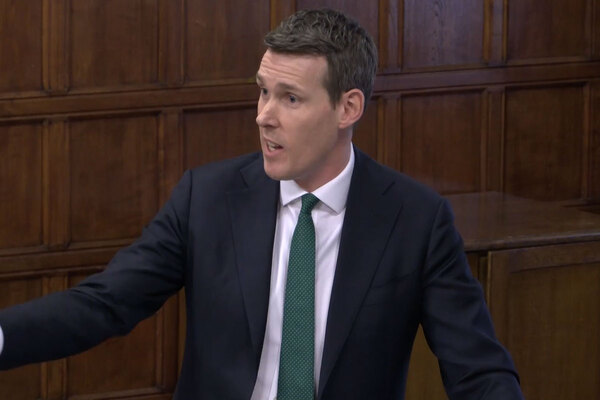
The Conservative Party has been divided on these issues for a long time and has not articulated a very clear position since leaving office. In the second reading of the bill, Kevin Hollinrake, the MP for Thirsk and Malton and the Conservative spokesperson on this topic, offered support for “some of the principles, aims and ambitions of the bill”, but critiqued various aspects of the practical actions in it.
The essay Kemi Badenoch released during her campaign for the Conservative leadership criticised “massive planning bureaucracy”, but she has since criticised Labour’s plans for “punishing” areas with high housing targets.
Since its successes in local and mayoral elections, Reform UK has emphasised its ambition to block the building of green-energy infrastructure specifically, though its official position on wider planning liberalisation is less clear.
“Both the public and local councillors were much less positive about the idea of increased housebuilding in their local areas than MPs”
To put it in crude terms, since the 2024 election, the two parties of the right are yet to commit to clear nimby or yimby positions, but it seems likely that electoral considerations will shape their approaches over this parliament. So, if both parties sense significant public discontent about Labour’s attempts to increase development in areas where they hope to win seats, their policies and positioning may well seek to tap into this.
On the other side of the political spectrum, both the Liberal Democrats and the Greens won rural parliamentary seats in 2024 where discontent about forms of development (both housing and infrastructure) were clearly live issues. It seems likely that both parties will feel continued pressure to give voice to such concerns over the course of this parliament.
The attitude of the cohort of Labour MPs elected in 2024 means we can expect the Planning and Infrastructure Bill to become legislation, though it is less certain exactly how far and how quickly this will feed through into major increases in housebuilding.
If the government were to be successful in its aim of massively increasing housebuilding and other forms of infrastructure by the end of this parliament through a reformed planning system, it remains to be seen what the reaction of voters and other parties will be.
The government will hope to forge a new consensus around the economic benefits of increased development, or at least sufficient support for reforms in the areas of the country that allows them to get re-elected.
Currently, though, the public is more sceptical about increased building than the MPs voting on the bill, and it is not hard to imagine each one of the four main other UK-wide parties setting themselves against Labour’s reforms.
Mitya Pearson, assistant professor in politics and international studies, University of Warwick, and David Jeffery, senior lecturer in British politics, University of Liverpool
Sign up for our development and finance newsletter
Already have an account? Click here to manage your newsletters
Related stories