ao link

You are viewing 1 of your 1 free articles

To meet housing demand quickly, we need more than new towns

It’s vital that we bring regeneration schemes forward, says Victoria Yeandle, associate planner at consultancy Lanpro

Linked InTwitterFacebookeCard
Sharelines

LinkedIn IHIt’s vital that we bring regeneration schemes forward, says Victoria Yeandle, associate planner at Lanpro #UKhousing

Labour’s manifesto pledged 1.5 million new homes in this parliamentary term. One way to achieve this is through the creation of new towns, comprising at least 10,000 new dwellings and essential infrastructure, such as public transport and schools. 

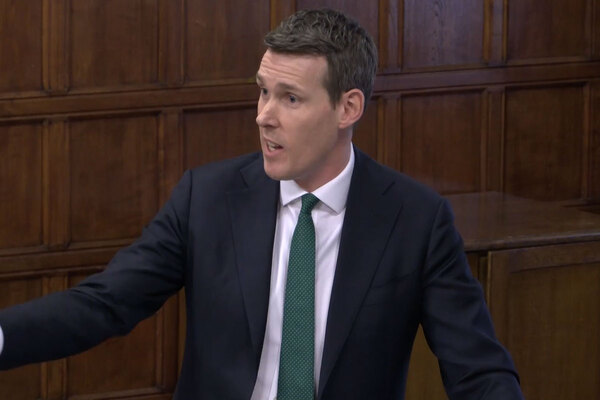
In February, Matthew Pennycook, the housing minister, confirmed that more than 100 locations across England had been submitted to the government and that a taskforce would identify specific locations and funding options in the summer. 

Mr Pennycook also announced that the aim was to start construction of these new towns by 2029.


Read more

David Partridge played a key role in the King’s Cross regeneration. What’s next on his agenda?David Partridge played a key role in the King’s Cross regeneration. What’s next on his agenda?
Setareh Neshati: I couldn’t turn down the opportunity to regenerate WestminsterSetareh Neshati: I couldn’t turn down the opportunity to regenerate Westminster

He acknowledged that new towns would not make up the bulk of the 1.5 million manifesto pledge. However, there is a debate as to whether any new towns will contribute towards this target, as sites of over 1,000 dwellings typically take at least five years to obtain detailed planning permission and then a further year to 18 months to deliver the first dwelling.

In light of this, other options will need to be considered and delivered to meet the government’s target. In Labour’s manifesto, there was a commitment to a brownfield-first approach through fast-tracking approval of such urban sites.

In theory, this sounds like a sensible approach. The brownfield-first approach in urban areas is widely supported: it was not only a Labour manifesto pledge, but a Conservative, Liberal Democrat and Reform UK one, too. The intention is that brownfield development would be primarily focused within urban areas, which benefit from better public transport links.

“A focus on brownfield urban regeneration sites in 16 UK cities could deliver at least 1.3 million new homes by 2035, substantially contributing towards the government’s housing ambitions”

This approach is also supported by the public. A recent poll of residents in Cambridge, Manchester and the London boroughs of Camden and Newham found that 75% of respondents wanted brownfield development to be prioritised over other forms of development.

Research by online citizen engagement platform Commonplace, which accompanied the findings from the poll, demonstrated that a focus on brownfield urban regeneration sites in 16 UK cities could deliver at least 1.3 million new homes by 2035, substantially contributing towards the government’s housing ambitions.

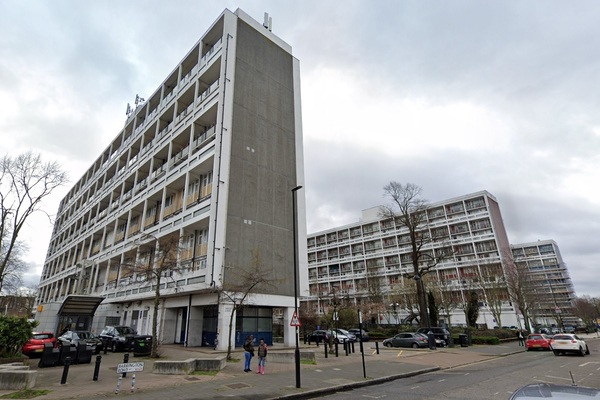
An example of brownfield development which would deliver on several of the government’s aspirations is the Better Queensway scheme in Southend-on-Sea, where the council allocated an area adjacent to Victoria Station for regeneration. The majority of the land is council-owned, and the proposals included the demolition of 1960s tower blocks and maisonettes and the removal of the Queensway underpass from the same era, to create approximately 1,700 new dwellings, commercial space and parks, as well as a tree-lined boulevard along Queensway itself.

The application was supported by £15m from the government’s Housing Infrastructure Fund. The proposals sought to provide 312 affordable homes and gave first refusal to current residents on the estate. There was positive engagement with residents throughout the design process.

The council entered into a joint venture with a housing association in 2019 and planning permission was granted in September 2021.

However, since then, the housing association has withdrawn from the project. The council has committed to still deliver the scheme, whether on its own, by finding an alternative partner or through an alternative scheme. Despite this, no housing has been delivered since the granting of planning permission almost four years ago.

The willingness of councils to deliver regeneration projects for their residents is undeniable, as shown in Southend-on-Sea. However, there are concerns about whether they can be delivered in reality, because of financial pressures.

The principal concern for developers is the cost of remediating brownfield land in towns and cities. As a result of these viability concerns, developers reduce the amount of affordable housing. Brownfield land can harbour ecologically important habitats, and achieving the mandatory 10% Biodiversity Net Gain requirement can come at a cost.

“The principal concern for developers is the cost of remediating brownfield land in towns and cities. As a result of these viability concerns, developers reduce the amount of affordable housing”

In October 2024, the government announced a Brownfield Land Release Fund to provide £68m to 54 councils to unlock disused sites. This included £467,000 for Southend-on-Sea, but there are concerns as to whether this will enable the council to deliver the Better Queensway project.

The government also published a white paper, inviting views on whether a ‘Brownfield Passport’ could support development in urban areas. The passport would set out clear parameters for schemes to adhere to, such as density, scale and form, thereby making planning approval the default outcome.

Developers will require assurances on how the government can lower costs and how they can increase revenue and be certain of planning approval. This could be through additional public funding or the Brownfield Passport. 

We await the government’s response to feedback on the white paper.

However, in order for the government to achieve its 1.5 million homes target, many options are required to support housing delivery. This should include government funding for brownfield sites to regenerate towns and cities, and greater incentives and certainties for developers to build. Development on greenfield will be necessary on smaller sites, to kick-start delivery and contribute to the government’s target.

Victoria Yeandle, associate planner, Lanpro

Sign up to HOMES UK and Unlock Net Zero Live 2025

Sign up to HOMES UK and Unlock Net Zero Live 2025

Whether your focus is building safety, sustainability, development, AI and digital transformation, housing management, procurement, or resident engagement, this is a must-attend event for all UK housing professionals.

Explore opportunities to increase affordable housing supply and improve the quality and sustainability of existing homes.

Find out more and register for your free* ticket

Sign up for our development and finance newsletter

A block of flats under construction
Picture: Alamy
Linked InTwitterFacebookeCard
Add New Comment
You must be logged in to comment.