You are viewing 1 of your 1 free articles
What does the ground rents cap mean for social housing providers?
The new announcement may seem to be good news for leaseholders and bad news for freeholders, but the reality is more complex, writes Leigh Shapiro, partner at Winckworth Sherwood



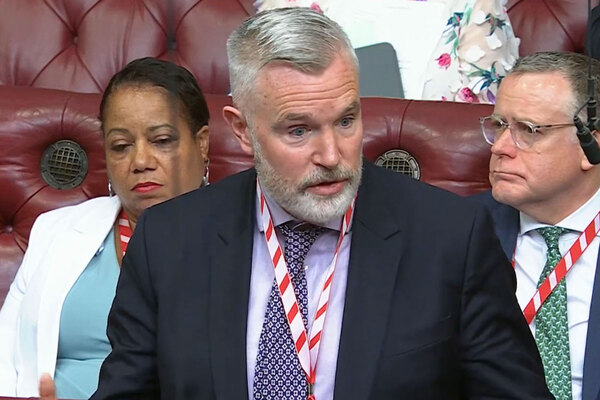
Leigh Shapiro is a partner at Winckworth Sherwood
 The new announcement may seem to be good news for leaseholders and bad news for freeholders, but the reality is more complex, writes Leigh Shapiro, partner at Winckworth Sherwood #UKhousing
The draft Commonhold and Leasehold Reform Bill will introduce a £250 cap on ground rent, with a further reduction to a peppercorn in 40 years. It will effectively see up to £12.7bn transferred from freeholders to leaseholders over the next four decades.
This might, at first, seem to be good news for leaseholders and bad news for freeholders. But look again and a more complex picture emerges.
Government figures indicate that fewer than 20% of leaseholders will benefit from this cap, presumably because most leasehold properties already have ground rents under £250. It is also quite possible that many properties with high ground rents are in fact high-value, central London ‘prime’ properties – and it is hard to believe the owners of these properties are the demographic intended to be ‘protected’ by this cap.
Read more



As with many of the proposed leasehold reforms, the ground rent cap carries a real risk of unintended consequences for the many different types of freeholders.
Social housing providers may not have large ground rent portfolios and may not have always appreciated the value of the ground rents they hold, but that income across portfolios can be significant and assist with delivering on housing providers’ aims.
“For social housing providers that have entered into joint ventures or strategic partnerships with market developers, funders or pension fund investors, the proposed cap might have more serious implications”
Those that do collect ground rents will need to understand the impact of that capped revenue and of its loss. For social housing providers that have entered into joint ventures or strategic partnerships with market developers, funders or pension fund investors, the proposed cap might have more serious implications.
Many joint venture schemes will include a wide mix of tenures, including affordable rents, shared ownership, intermediate and private leasehold units. It is not uncommon where headlease agreements exist to embed ground rent incomes in order to make the schemes viable, often over many decades.
Here, this cap could impact the valuations underpinning the joint venture, debt-servicing assumptions and, indeed, profit-sharing distributions.
Additionally, the boundaries between what is considered a ground rent and what is not is nuanced: there are financial instruments that, while technically not a ground rent, may fall under the scope of the £250 cap.
As the draft bill is consulted on and progresses through parliament, those currently holding head leasehold interests will want clarity as to whether they will remain liable to pay rent obligations under their headlease, even when they no longer receive a ground rent from their leaseholders.
“It also seems something of a dangerous precedent for a government to decide it can simply change the terms of contracts previously entered between private parties to suit the political will at the time”
Given the scale of the value being transferred and the lack of compensation in return, we expect the cap will invite lengthy and costly legal challenges, like those already seen following the introduction of the Leasehold and Freehold Reform Act 2024. This will inevitably delay the implementation of the cap, creating further uncertainty for social housing providers, developers, investors and leaseholders.
The leasehold structure has existed for many hundreds of years. It is a workable scheme, supported by considerable case law. The proposed changes will still leave homeowners facing often high service charges, and will not stop bad actors taking advantage.
It also seems something of a dangerous precedent for a government to decide it can simply change the terms of contracts previously entered between private parties to suit the political will at the time.
More worryingly, we remain unsure exactly what problem the government is trying to solve. It would seem sensible for the government to consider now the real impact of its proposals.
Leigh Shapiro, partner, Leasehold Enfranchisement and Residential Property team, Winckworth Sherwood
Sign up to Inside Housing’s Daily News bulletin
Sign up to Inside Housing’s Daily News bulletin, featuring the latest social housing news delivered to your inbox.
Already have an account? Click here to manage your newsletters.
Related stories