You are viewing 1 of your 1 free articles
Building safety minister: our work on Grenfell recommendations is real but not complete
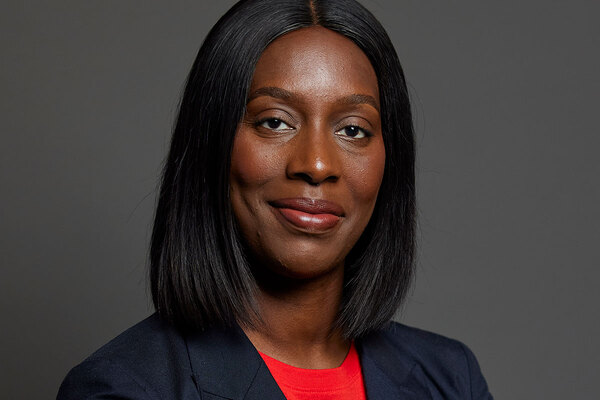
The government is on track to complete 70% of the Grenfell Tower Inquiry’s final recommendations by the end of this year, writes building safety minister Samantha Dixon


 The government is on track to complete 70% of the Grenfell Tower Inquiry’s final recommendations by the end of this year, writes building safety minister Samantha Dixon #UKhousing
Nearly nine years on, the fire at Grenfell Tower still weighs heavily on our national conscience. Seventy-two people lost their lives in a tragedy that should never have happened.
For those who survived, for the bereaved and for the wider Grenfell community, the consequences are enduring. For government, the responsibility to make sure something like this can never happen again is permanent.
That is why this government accepted every finding of the Grenfell Tower Inquiry and committed to taking forward all its 58 recommendations. But commitment alone is not enough. What matters is progress, pace and permanence.
Read more
This year marks a turning point. We are on track to complete 70% of the inquiry’s final recommendations by the end of this year. At the same time, we are pushing ahead with reforms that go beyond the letter of the inquiry – such is our determination to fix the deeper failures it laid bare.
At the heart of our approach are two principles: people and safety first, and lasting systemic change. Building safety and fire reform are central to both.
The Building Safety Regulator is now operating as a standalone body, with strengthened leadership and independence. Its work to define and continually review what constitutes a higher-risk building makes sure regulation keeps pace with real-world risk.
But effective safety cannot sit within fragmented oversight. That is why we are consulting on a new Single Construction Regulator, to replace the confusing patchwork that allowed responsibility to fall between the cracks for too long, with fatal consequences.
We are also reforming construction products regulation through the newly launched white paper, closing long-standing gaps and bringing unregulated products into scope.
Competence matters too: only properly qualified professionals should design, build and sign off homes. That vital lesson from Grenfell is now shaping the future of building control, fire engineering and construction more widely.
Protecting residents means focusing on those most at risk. From April, new regulations will require Residential Personal Emergency Evacuation Plans in high-rise buildings. On this long-awaited reform, there will be no more delays. Vulnerable residents simply must have a clear, enforceable plan to get out safely.
We are also strengthening tenants’ rights through Awaab’s Law, a more powerful Housing Ombudsman and new expectations on respect, transparency and accountability from staff in social housing. Safety is inseparable from dignity.
And of course, remediation remains urgent. Over 2,100 buildings have now started or completed works, including almost all identified with Grenfell-style ACM cladding. Progress is real, but not complete. That is why we will legislate to accelerate remediation further.
Grenfell exposed not just technical failures, but a culture that ignored residents’ voices. Changing that culture is the hardest task of all. But with unprecedented transparency, regular public reporting and reforms that endure beyond a single parliament, we are laying the foundations for lasting change.
Nothing can undo what was lost. We cannot go back, but we can move forward and our duty is clear: to ensure government never again looks away, and that safety never again depends on chance.
Samantha Dixon, building safety minister
Sign up to Inside Housing’s Building and Fire Safety newsletter
Sign up to Inside Housing’s fortnightly Building and Fire Safety newsletter, now including a monthly update on building safety from Inside Housing’s contributing editor Peter Apps.
Already have an account? Click here to manage your newsletters.
Sign up for the Warm and Safe Homes Summit 2026
Taking place on 15 April 2026 at 155 Bishopsgate in London, the Warm and Safe Homes Summit is a must-attend event for all those responsible for improving the quality, safety and energy efficiency of UK homes for tenants and residents.
Across the day of expert-led sessions, panels and case studies, delegates will deep-dive into the latest strategies for decarbonising housing stock, strengthening building safety culture, driving tenant-centred retrofit programmes and embedding robust compliance and governance practices.
Attendees will also explore practical approaches to funding, procurement and data-led asset management to support long-term sustainability goals.
The summit will bring together more than 500 housing professionals from across asset management, sustainability, building safety, tenant engagement, procurement, governance and compliance.
Related stories