You are viewing 1 of your 1 free articles
Scottish housing minister defends lifting private rent controls for two years
Scotland’s housing minister has defended a decision to lift private rent controls for two years, saying tenants “already have strong rights”.


 Scottish housing minister defends lifting private rent controls for two years #UKhousingScotland’s housing minister has defended a decision to lift private rent controls for two years, saying tenants “already have strong rights” #UKhousing
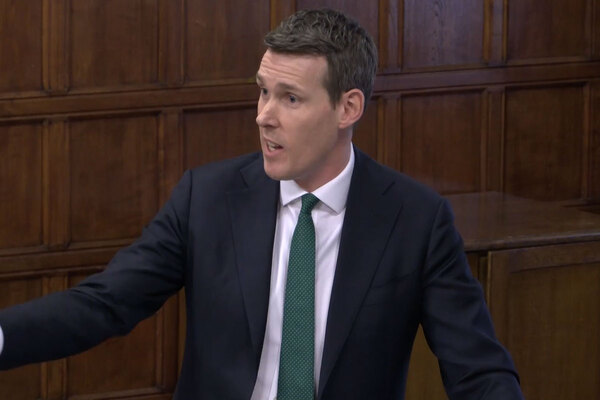
Paul McLennan said private renters can continue to seek a review of their rent increases once temporary rent controls come to an end on 31 March.
From this date, if a tenant appeals to their rent officer or tribunal, the rent increase will be set at the open market rental value until long-term rent controls come into effect in 2027.
The Scottish government introduced a short-term private rent cap in 2022 as an emergency cost of living measure. It also pledged to bring in permanent rent controls through new legislation.
The Housing (Scotland) Bill, which is passing through the Scottish parliament, will introduce a long-term cap on private rent rises at the Consumer Price Index plus 1%, up to a maximum of 6%. It is likely to come into force from 2027.
Read more


Mr McLennan said he would campaign to increase awareness of tenants’ existing rights, including where renters can go to access help and advice.
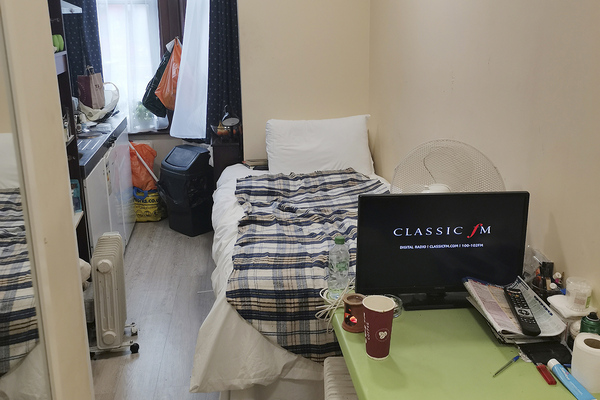
Existing rules means Scottish tenants have the right to a rented home that is maintained to an acceptable standard and are protected from being asked to leave a property without proper notice. In addition, landlords must give the correct notice period before increasing rent.
Speaking on a visit to Citizens Advice Scotland in Edinburgh, Mr McLennan said: “People who rent their homes in Scotland already have strong rights when it comes to rent rises, maintenance and repairs and evictions. This campaign is important to make sure we increase awareness of these rights.
“We also want to highlight the end of the temporary change to rent adjudication on 31 March. This was put in place to support the transition back to market rent following the temporary cap on rents under the Cost of Living Act.
“Under existing legislation, most private tenants continue to have the right to seek a review of a rent increase and I would encourage any tenant who is concerned about this to apply.
“We’re also taking forward measures in the Housing Bill to address the need for longer term action on rent control and strengthen tenants’ rights where it’s needed.”
Aoife Deery, housing spokesperson for Citizens Advice Scotland, said: “The Scottish CAB [Citizen Advice Bureaux] network is here to help with free confidential advice for anyone who needs it. We need to see a rented sector that works for everyone, where everyone knows their rights and responsibilities, and clear information and access to redress when things go wrong.
“Scotland deserves a rented sector that works for everyone, so that more people can stay in their homes.”
Landlords welcomed the two-year pause on rent controls, arguing that the temporary controls in place since 2022 have hindered investment in new homes for rent.
David Alexander, chief executive of letting agent DJ Alexander, said the return to market rents “should encourage a return of investment in the sector and the potential for a rapid increase in the number of new homes being built for the private rented sector”.
He said it was “a positive development for landlords, investors and tenants who will all benefit from an increase in the volume of properties being brought into the market”.
However, Ruth Gilbert, national campaigns chair at tenant union Living Rent, said it was “deeply irresponsible that this government is choosing to end the vital measures that have protected tenants from sky-high rent increases”.
She said: “As soon as these measures end on 31 March, tenants are going to be hit by a tidal wave of rent increases as landlords cash in after two years of emergency protections.
“The rent controls and protections in the Housing Bill will only come into effect in 2027. From now until then, tenants are faced with two years of completely uncapped rents. Landlords increasing rents, which will decimate our cities, force people out of their homes and further exacerbate both homelessness and poverty.”

Related stories