5 things we learned from this year’s Biggest Council House Builders
What are the main learnings from this year’s exclusive Inside Housing data on the councils building the most homes? Jess McCabe reports


 What are the main learnings from this year's exclusive data on the councils building the most homes? Jess McCabe reports
Yesterday we published our annual survey identifying which councils are building the most homes across Britain.
So what are the main takeaways from this data, gathered from detailed Freedom of Information requests to every council in England, Scotland and Wales?
1. Councils are building more homes, with total delivery numbers rising by over 10%
We also found a significant increase in the number of councils who reported they completed at least one home in the 2024-25 financial year.
Our full story goes into more detail, with a searchable table of the 50 who completed the most homes this year. We can see that the overall trend, despite broader concerns about the viability of residential development, continues to be one of growth.
2. Social rent is the tenure that councils prefer
About one in four homes delivered by council-owned housing companies were social rent. And that rises to 46% of homes completed by councils’ in-house development teams. This is significantly higher than for homes delivered by housing associations, with our Biggest Builders survey this summer revealing that about 18% of completions by housing associations were for social rent in 2024-25.
When we spoke to individual councils while compiling this story, it was very clear that many had a strong belief they should be building the most affordable possible rented housing. This was grounded in data from their own waiting list and analysis of housing need.
Lewisham Council, for example, came second overall in the ranking. James Walsh, the council’s cabinet member for inclusive regeneration and planning, told Inside Housing that the council has a “laser focus” on housebuilding, driven by housing need.
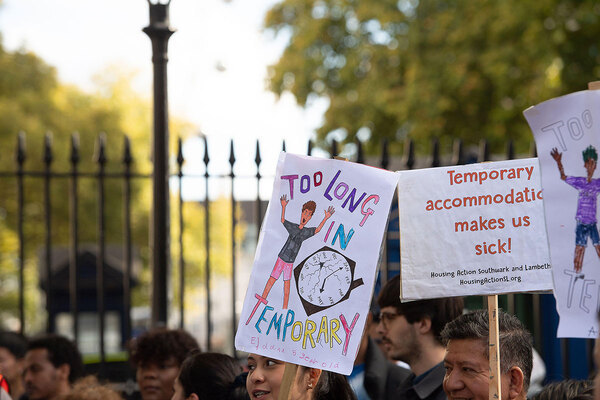
He says: “For every child that’s in temporary accommodation, that’s affecting their education, it’s affecting their life outcomes, and we want to get them out as quickly as possible.”
3. Questions over the future of council-owned companies
Homes completed by council-owned companies fell as a proportion of the total programme this year, and some of those who delivered the highest numbers in 2024-25 are winding up their companies. However, other councils continue to see value in these companies, including some county councils starting from scratch without being landlords themselves.
Salford’s mayor Paul Dennett, for example, tells Inside Housing: “Our own housing company, Dérive, has provided both social rent homes and affordable homes for our residents. This is something we’re very ambitious with and it’s a key priority for the council.”
4. Councils are now buying thousands of existing homes, as well as building new ones
For the first time this year, we also asked councils how many existing homes they have acquired. We added these questions because some councils themselves flagged to us in their FOI responses that they were buying more homes than they were building.
Many of these homes are buybacks of homes formerly sold under the Right to Buy, a practice which has generated some critical scrutiny in recent weeks, with The Big Issue running headlines about the “economic madness” of buying back homes at three times the price they were sold for only a few years ago.
However, it is clear from our data why councils are doing this, with the largest slice of homes that are reacquired or bought off the open market being used for temporary accommodation.
Others are being reacquired to enable an estate regeneration or major works to go ahead on a block, and still more are being put back into general needs stock.
5. Some councils are now restarting sites that were put on hold due to viability concerns in the past few years
Our full story on the data goes into some detail into the approach taken by Waltham Forest, for example, which is back on track with a number of projects. This comes after it decided to wind up its company Sixty Bricks over viability issues.
Sign up to Inside Housing’s Development and Finance newsletter
Sign up to Inside Housing’s weekly Development and Finance newsletter, featuring a round-up of business, development and regeneration news and analysis.
Already have an account? Click here to manage your newsletters.
Related stories