You are viewing 1 of your 1 free articles
Elland Road regeneration could deliver up to 2,000 new homes
Leeds City Council (LCC) wants to “transform Elland Road into a thriving 365 day-a-year destination” as part of a regeneration proposal that could deliver up to 2,000 new homes in south Leeds.


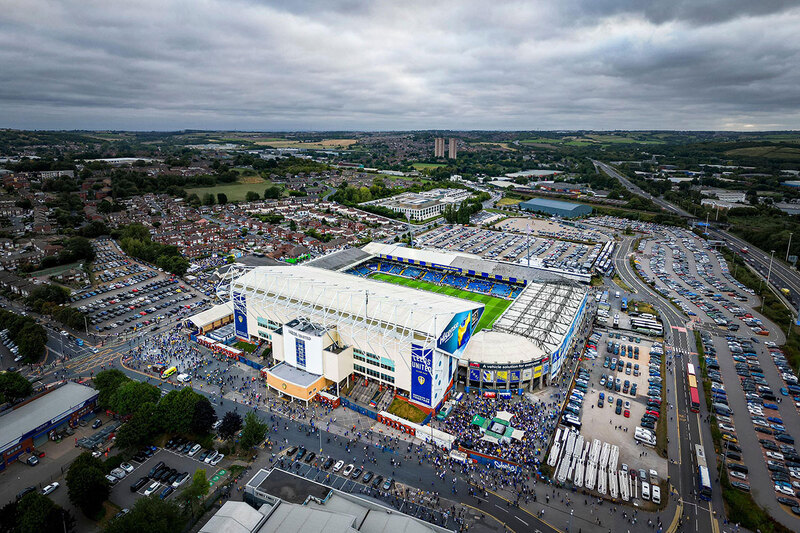 Elland Road regeneration could deliver up to 2,000 new homes #UKhousing
Planning permission was granted in January to allow Leeds United FC to increase the capacity of their Elland Road stadium by about 15,000 seats, to 53,000.
The council issued a planning statement this month to provide guidance for the future regeneration of around 30 acres of land around the stadium, which is owned by LCC.
It said the project could be “one of the most ‘shovel ready’ stadium-led regeneration projects in the country where works can begin quickly”.
Read more
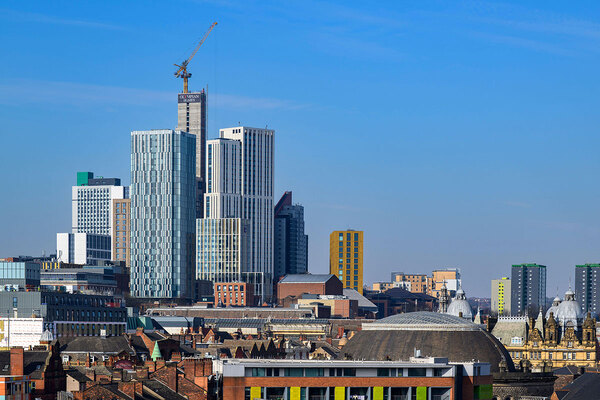
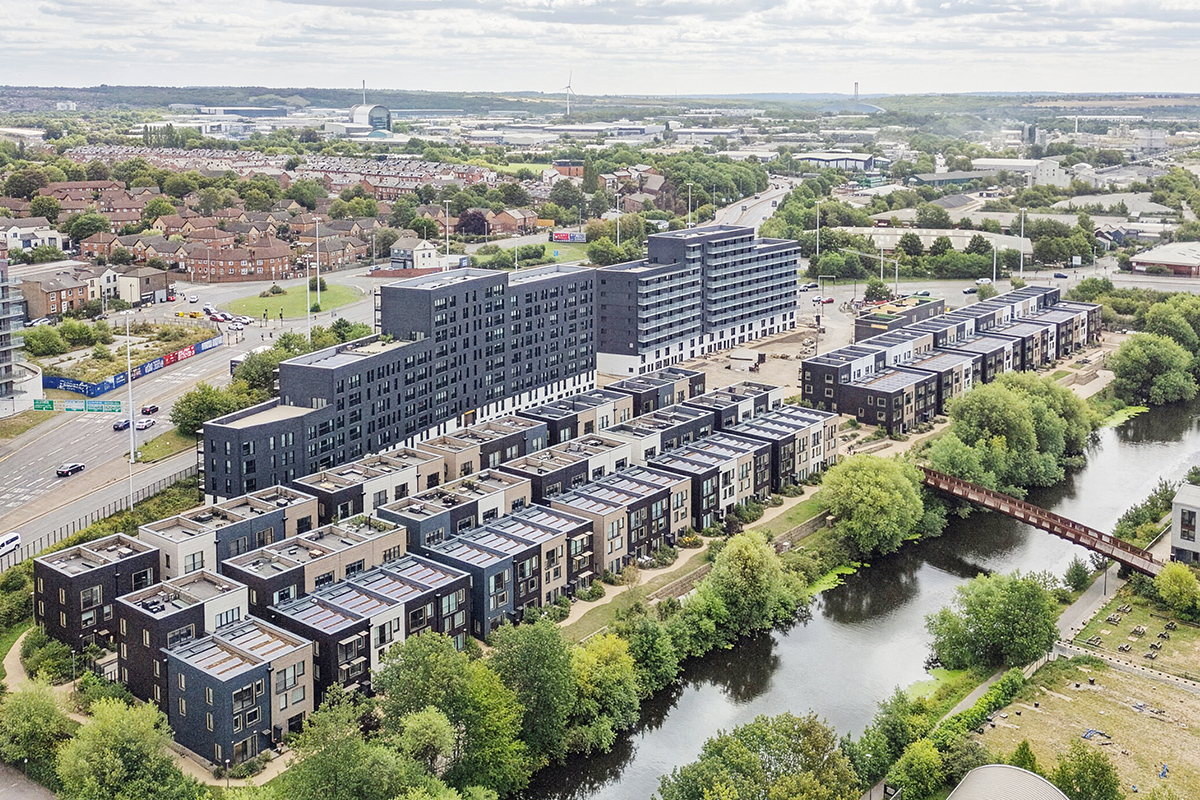

The council’s statement adds that it “is likely that development of a site like this could achieve over £1bn of direct capital investment, in due course, to the city and its economy, delivering a high-quality, mixed-use neighbourhood with the potential to deliver [around] 1,500-2,000 new homes alongside new leisure, educational and workspace uses”.
LCC decided in 2025 to refresh its 2007 planning guidance for the Elland Road site, and made the decision on 8 January 2026 to progress planning permission for the upgrade to Elland Road, subject to legal agreements and other conditions.
The council also noted the emergence of the South Leeds Gateway and the potential development of mass transit to the area as reasons necessitating the update of its planning guidance.
The report believes that the area “has the capacity to support higher-density living that has net zero and sustainability principles placed at the centre of design and delivery”.
This would enable “a mix of tenures to meet the demand for new homes across the city, which includes pressures for affordable and key worker housing as well as from the ‘brain gain’ from increase and retention of graduates and undergraduates”.
LCC added that “the land immediately to the west of the stadium has the greatest potential for mixed-use development, while the land on the western, northern and eastern perimeter has been identified for an integrated transport buffer”. Car parking would be moved to the south of the stadium.
However, anonymous respondents to the consultation website set up to ask for community feedback on the plans wanted to prioritise transport connectivity, a unique atmosphere and well-designed public spaces over increased housing density.
Sign up to Inside Housing’s Development and Finance newsletter
Sign up to Inside Housing’s weekly Development and Finance newsletter, featuring a round-up of business, development and regeneration news and analysis.
Already have an account? Click here to manage your newsletters.
Sign up for Housing 2026
Join us at Housing 2026 and hear from the sector’s most influential voices. Leading housing organisations curate their stages, showcasing the speakers and discussions that matter most.
Take part in purposeful, tech-enabled networking – see who’s attending, handpick the people you want to meet, and engage in meaningful, in-person conversations.
Connect with every key decision-maker under one roof, from local authorities and housing associations to investors, developers and operators.
Related stories