You are viewing 1 of your 1 free articles
Football's coming home
Manchester City’s owners are planning to build 6,000 homes in partnership with Manchester Council. Martin Hilditch investigates how a wave of stadium developments have paved the way for new housing


Video:
Features style

In the middle of last year, the owners of Manchester City Football Club made a huge new signing.
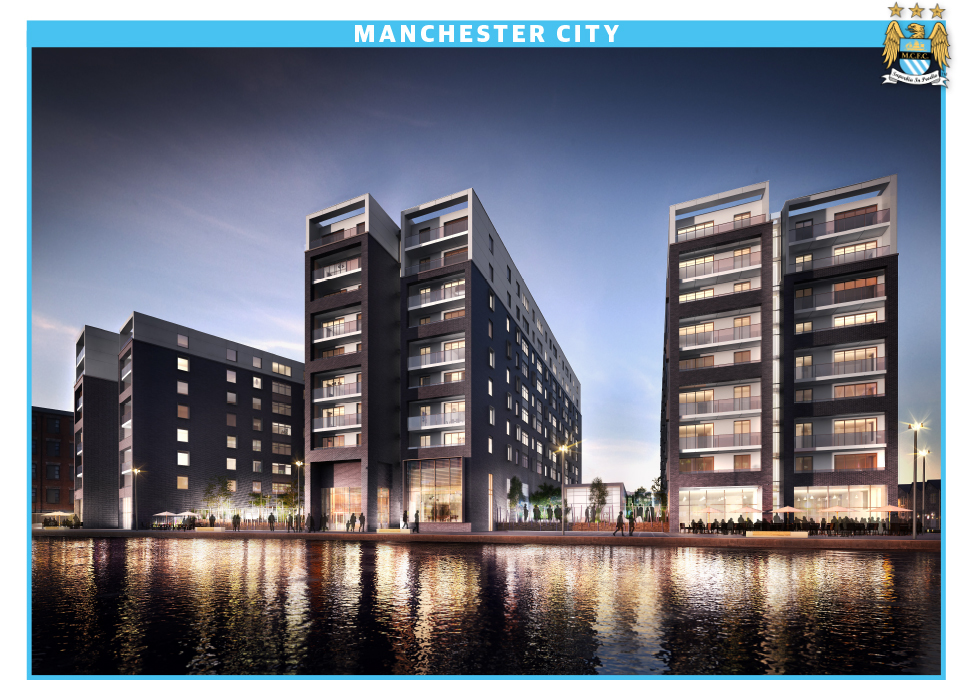
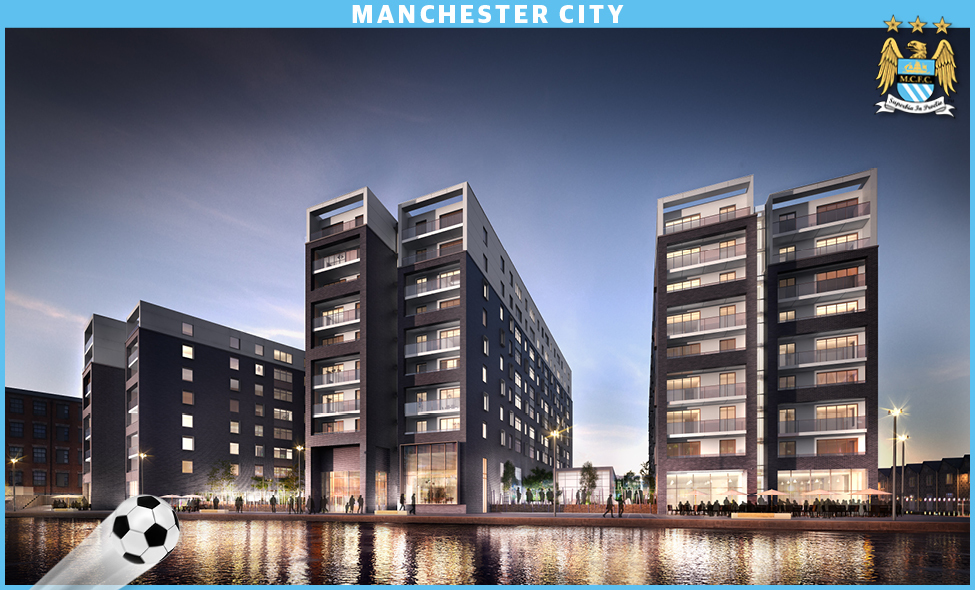
Amid great fanfare, Abu Dhabi United Group (ADUG) – the investment and development company owned by Sheikh Mansour bin Zayed Al Nahyan, a member of Abu Dhabi’s ruling family – formed a joint venture company with Manchester Council.
The main aim of the company, called Manchester Life, was to build homes. If plans work out, the agreement will create the space for £1bn of investment over the next 10 years, kick-starting delivery of more than 6,000 properties in the city’s east end.
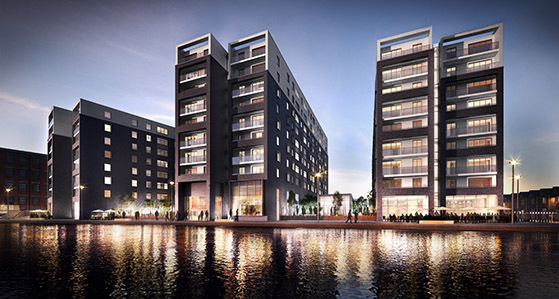
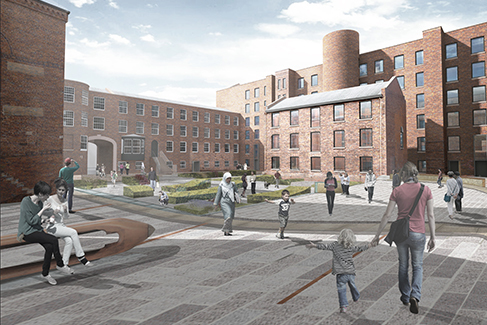
At the beginning of this month, the company firmly set this brave new world in motion when planners granted permission for 302 private rental apartments in New Islington and a further 124 apartments for sale in Ancoats – the first of six phase-one sites due to deliver 830 new homes. There’s more to the scheme than the figures – in fact, what you’re looking at is the masterplan that will help transform a historically industrial area into a thriving network of neighbourhoods that will feed the city’s wider expansion plans.
Video:
Ad slot
This is one of a number of housing regeneration sites that Britain’s towns and cities have been able to get over the line thanks to the involvement of football clubs – and more specifically their plans to expand by shifting into new, bigger premises. Today we can reveal the full story about how English Premier League clubs’ ambitions have helped – or will help – housing provision (as well as all those ‘oh-so-nears’, where potential has not been fulfilled).
The roots of Manchester Life, for example, lie very clearly back in 2003, when City shifted from their former ground, Maine Road, to the 55,000-seater City of Manchester stadium – built by the council when the city hosted the 2002 Commonwealth Games. The old site is already hosting 320 homes for sale delivered by Prospect GB (a subsidiary of social landlord Riverside Group) and is now known as Maine Place. This contains a variety of designs named after fan favourites, such as former striker Uwe Rosler (whose four goals in a match against Notts County are perhaps the reason he has been immortalised as a four-bedroom home).
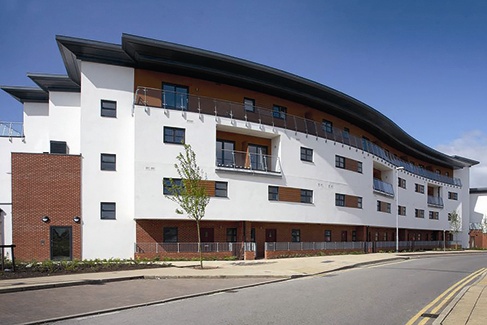
Most importantly, the club’s shift to a bigger site enabled it to attract ADUG precisely at the right time (when it was considering buying an English club). In turn, this led to the creation of Manchester Life. A report presented to the council’s executive last year makes it clear that it is because of the club that ADUG ‘has come to know the city council’s vision for regeneration and its ability to deliver major initiatives’.
For Paul Beardmore, director of housing at Manchester Council, the planned £1bn regeneration ‘would not have happened without ADUG’s investment and support’ and its involvement with the football club has been ‘totally fundamental’ to the progress.
However, he adds, the council’s advance planning was vital too. If there is a lesson that Mr Beardmore thinks other councils could learn from Manchester Life, it’s simply to make your own play. In Manchester this involved land assembly, remediation and a clear strategy for the future. While there has been some criticism that none of Manchester Life’s homes will be social housing, its approach is consistent with the council’s long-stated aim of rebalancing its housing market.
‘Manchester had, in my view, an exceptional approach to how it tried to do things, which was “don’t chase the money”,’ Mr Beardmore adds. ‘Set your policy, set your strategy and make the money come to that.’
Arsenal
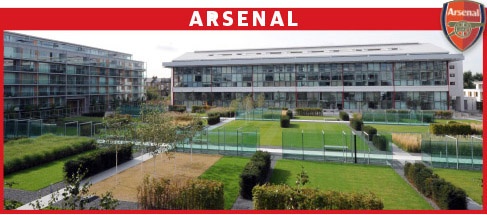
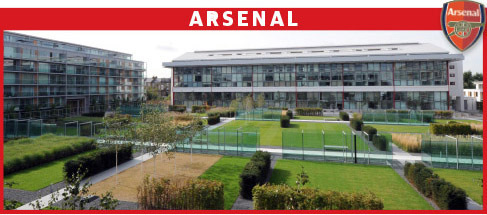
Highbury today
Islington Council was certainly on the ball when Arsenal Football Club was looking to relocate from its former ground, Highbury, in the late 1990s. The club’s ultimate construction of the £390m Emirates Stadium, which has been its homes since 2006, helped transform a mile-long stretch of north London and led to the construction of 3,000 new homes (almost 1,500 of which were affordable and provided by 8,000-home Newlon Housing Trust, including 449 for social rent, 536 for shared ownership and 482 for key workers). Highbury was converted into 650 flats.
Back in 2002, when the club secured planning permission, Sarah Ebanja was deputy chief executive of Islington Council. Today, Ms Ebanja is Newlon’s chair. Given that the final phase of affordable housing was delivered in November last year, she’s effectively seen the project develop from start to completion.
When the club initially sounded out the council about moving to Ashburton Grove, an extensive brownfield industrial site that the council was looking to regenerate, Ms Ebanja says that the council had a clear message.
‘From the council’s perspective, we wanted a lot of new homes and a significant proportion of them to be affordable,’ she states.
The club’s desire to create a world-class stadium and surroundings meant the council was able to push for the biggest possible benefit in its Section 106 planning deal, she adds. ‘On several occasions, Arsenal did say that we were taking the mick,’ she states. ‘They had to pay for everything. We were pushing the boundaries to see how far they would go.’
Arsenal seems pretty happy with the deal. For starters, as a London Assembly report on stadium-led regeneration pointed out this year, annual match-day revenue has nearly tripled from £33.8m in 2004 to £100.2m in 2014.
Arsenal director Ken Friar adds it is ‘proud that our move to Emirates Stadium was able to bring so much to the borough’.
Tottenham

CGI of the new Tottenham Hotspur stadium
Just up the road, another major regeneration project is gearing up – at the home of Arsenal’s arch rivals Tottenham Hotspur FC. Spurs are on their way from their current White Hart Lane home and have permission to build a new stadium just along the road. Unlike Arsenal, the plans caused controversy because, until recently, they included no affordable housing (although 222 affordable homes have already been completed on Tottenham High Road and a further 34 delivered in Northumberland Park as sites are pulled together for the redevelopment plan).
The club’s current planning permission – agreed in 2012 – would see 285 new homes built as part of the stadium development. All of these would be for market sale (this was a renegotiation of a previous agreement to deliver 200 homes – 50% of which would have been affordable). Earlier this year, however, the club decided market conditions mean now is the time to revisit the 2012 consent – and proposed 579 homes, including an as yet unspecified amount of affordable housing. A new planning process with Haringey Council is gearing up.
Stoke
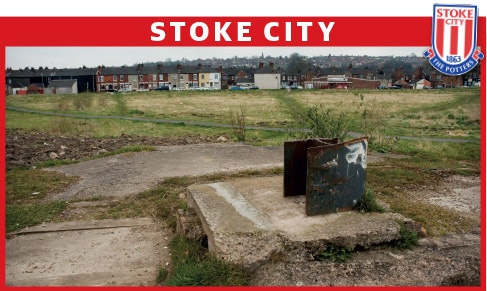
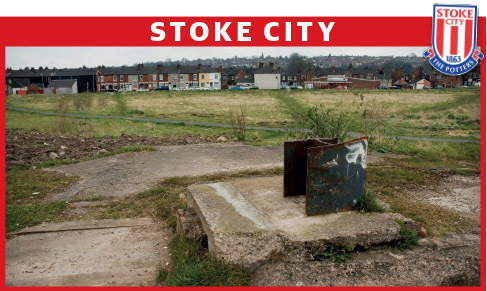
The former home of Stoke City is still sitting empty
Still, ultimately whether that process is slow or fast, Spurs should deliver new homes. Some stadium moves, however, have been a complete letdown. It is nearly 20 years since Stoke City FC moved to its current Britannia Stadium home in 1997. Developer St Modwen acquired its former Victoria Ground base as part of the funding package for the new stadium. Yet, despite planning permission being granted for 113 homes in 2013, the ground is still standing empty.
Leicester
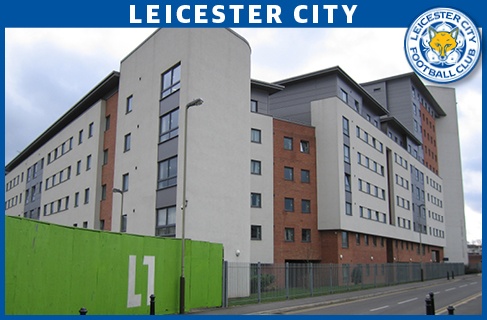
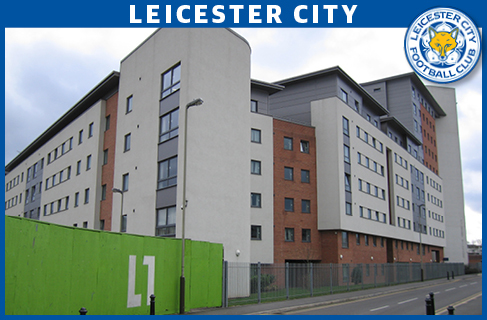
More to come? Student homes at Leicester’s former Filbert Street home
There has also been imperfect progress with Leicester City’s old ground at Filbert Street, which was demolished to make way for housing when the club moved to the King Power Stadium in 2002. A 664-bedroom block of student housing has since been delivered. Plans to build hundreds of new homes elsewhere on the site have so far come to nothing. Developer Filbert can currently build 43 homes – none of which would be affordable – on part of the site, just off Lineker Road. But it can wave arrivederci to that scheme unless building work starts before permission expires next month – the council says there are no signs yet of development.
Southampton
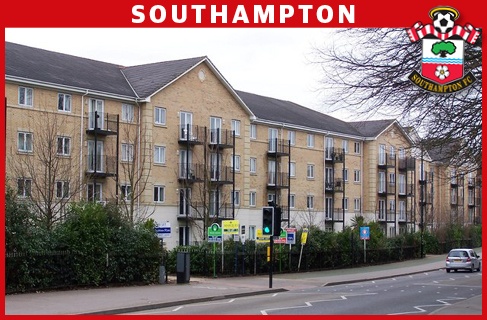
The Dell - as it looks today
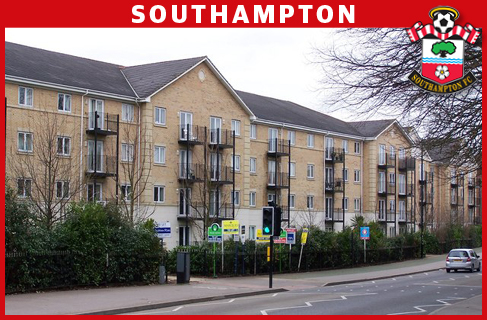
But for every failure, there is a success story. A total of 24 social rent homes and 20 social rent sheltered homes were delivered on the site of Southampton Football Club’s old ground, The Dell, when it was demolished. These were part of a 228-home Barratt Homes development, with residents now living in blocks such as Le Tissier Court – named after former club heroes.
Warwick Payne, cabinet member for housing and sustainability with Southampton Council, says ‘hundreds of residents can now say they live on the spot where Saints’ greatest players from past decades showed their skills’.
Sunderland
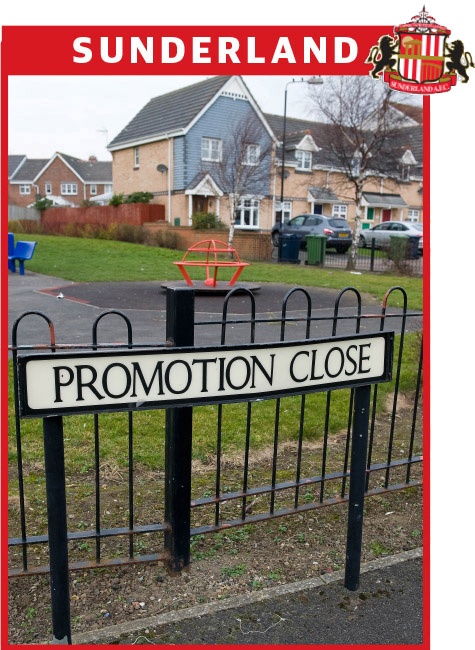
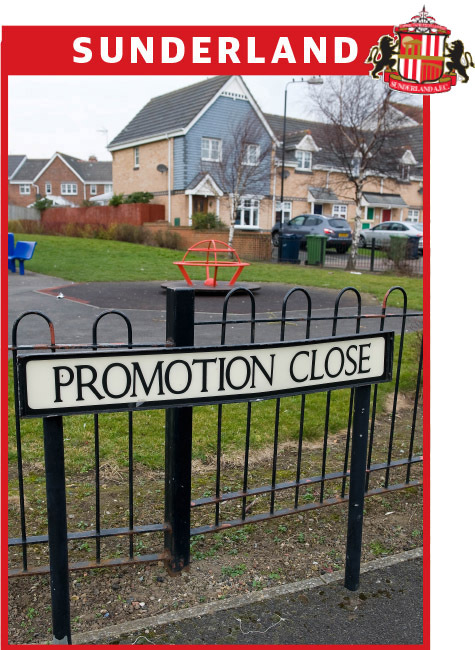
Promotion Close is on the site of Sunderland’s former home, Roker Park
A total of 135 homes were also built by Wimpey Homes on the former Roker Park home of Sunderland Football Club when it was demolished in 1998. Today fans can reminisce from their homes on Midfield Drive, Turnstile Mews or Promotion Close. Although there was no new housing as a result of the creation of Sunderland’s new home - the Stadium of Light - Mel Speding, cabinet secretary at Sunderland Council, says the new site had been ‘a catalyst for further inward investment and development in our city’. It had also helped regenerate a former brownfield site (the former Monkwearmouth colliery).
Liverpool
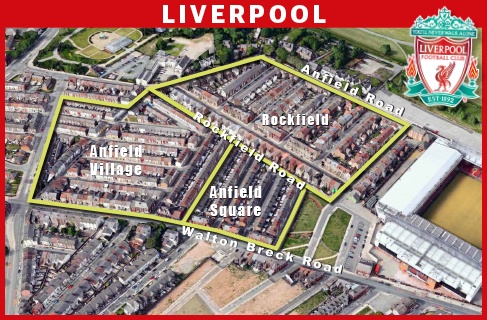
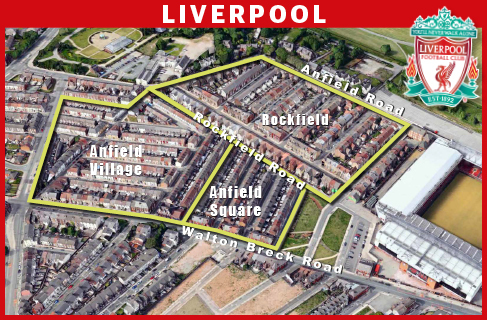
The Anfield regneration area
Back in June 2012, after much deliberation about whether it would build a new stadium in nearby Stanley Park, Liverpool FC committed its future to its historic Anfield ground - expanding it to 60,000 seats.
Shortly after, this led to it linking up with Liverpool Council and social landlord Your Housing Group (YHG) as part of the wider Anfield regeneration partnership.
The club’s decision gave the area’s regeneration a massive shot in the arm. After years of uncertainty following the government’s axing of its housing market renewal programme in 2010 (Anfield, which had suffered from low housing demand, had been in a yet-to-be started phase), the council and YHG had already drafted new plans - but the club’s decision enabled them to do even more.
In total, the plan will see 600 out of the original 900 homes in the immediate surrounding area (the Anfield Village and Rockfield neighbourhoods) retained - the rest have been demolished. There will also be the delivery of a new hotel and business centre by YHG.
Lorraine Donnelly, development director at YHG, says: ‘The catalyst was the football club deciding to stay. That made it clear how we would invest.
‘The regeneration is happening as we speak. We are changing people’s lives.’
Much of the work on the remaining 600 homes is transformation – this isn’t a case of adding a new lick of paint. A total of 197 homes have had major internal improvements carried out by Liverpool Council, including new rendering, roofs, windows and doors. But many of the properties have also been reconfigured to make them more attractive to people with families. That means turning traditional two-up, two-downs into larger homes. YHG has converted 11 traditional terraces into new family homes. On top of this 23 improved homes have been allocated to be sold for £1 to local residents, with the council retaining a 25% equity stake in the homes.
Dave Litherland, head of Anfield with YHG, says the property conversions are ‘an inventive way to alter the mix in the area’. He speaks with obvious pride about refurbished homes in a street called Tancred Road. ‘They are gorgeous,’ he states. ‘If you put Tancred Road down south you would be paying millions for them.’
Next up are the hotel – which will provide training and job opportunities for local residents – and the business centre (which YHG is planning to occupy part of). Both are due for completion in 2017.
Mark Kitts, Assistant Director Regeneration, Liverpool City Council, says these are the kind of things that Liverpool remaining at Anfield has made possible.
‘I think it has increased the amount of regeneration that we will deliver as part of the project,’ he states. ‘The club’s decision put certainty in the area. It has started to add value to the regeneration.’
West Ham

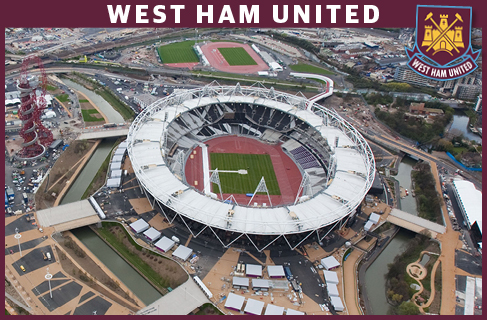
West Ham’s forthcoming new home
Looking to the future, Galliard Group has submitted plans to develop West Ham United’s current Boleyn Ground into 838 homes when the club moves to the 54,000-seater Olympic Stadium. Like Spurs, the proposed amount of affordable housing – 6% – amounts to little more than a few pretty bubbles to appeal to planners.
At the time Sir Robin Wales, mayor of Newham, said the initial offer lacked any substantial affordable housing and was ‘insulting and totally unacceptable’. He called on the developers to ‘drastically rethink this ridiculous offer’. The London Assembly regeneration committee’s report into stadium-led regeneration was also critical and suggested the capital’s mayor Boris Johnson could ‘use his leverage to ensure that the conversion includes a higher proportion of affordable housing’.
Councils, in their role as match referees, must take ultimate responsibility for making sure club redevelopments help meet local need. Manchester and Arsenal provide examples of how clear direction from a council can dovetail with a club’s ambitions. The potential win for local areas is clear.
A total of 5,682 homes are set to be built because of the nine stadium moves either planned or carried out by the clubs we looked at.
If Manchester Life fully delivers that figure could jump to 11,256. The prize is a big one – but councils have to make sure they’ve got the right game plan.


Related stories