You are viewing 1 of your 1 free articles
A cross-party group has asked the government to focus on preventive homelessness measures, such as unfreezing Local Housing Allowance (LHA) rates and increasing the temporary accommodation subsidy.


A new report funded by Crisis and published by the All-Party Parliamentary Group (APPG) for Ending Homelessness believes that both policy changes would alleviate the financial burden of homelessness on local councils.
The need to unfreeze LHA and link it to the bottom 30% of local rents comes after an earlier study by Crisis found that only 2.5% of homes listed for rent in England were affordable at the current rate.
The LHA, which sets the amount of housing benefit a resident can claim, has been periodically frozen over the past decade and has not automatically linked to rent rises since 2013.
The most recent four-year freeze between 2020 and 2024 left many claimants unable to cover rising rent costs.
In 2023, the Conservative government decided to reset rates to the 30th percentile, which came into effect in April 2024.
In her first Budget as chancellor, Labour’s Rachel Reeves then decided LHA would remain at that level until 2026, despite the sector urging the government to increase rates again.
Separate research by thinktank IPPR has highlighted a “postcode” lottery for LHA rate shortfalls, leaving 62% on families in Wales and 31% in Scotland unable to cover the cost of their rent.
In addition, the Public Account Committee, which examines the value for money of government projects, believes there is no logic to the LHA rate.
At the beginning of this year, the committee called the decisions made by the government to determine LHA rates “subjective”, adding it was unconvinced “that in setting LHA rates, the Department for Work and Pensions has given due consideration to the impact on homelessness”.
Despite these mounting calls for an LHA rate increase, the government remains obstinate. Deputy prime minister and housing secretary Angela Rayner told MPs that this would simply funnel more money to private landlords.
As part of the new strategy launch in the report, the APPG highlighted the impact of the temporary accommodation subsidy. It recommended lifting the cap on the subsidy to reflect the real cost and reduce the use of poor-quality temporary accommodation.

Homeless households in temporary accommodation can claim the housing benefits they are entitled to. The local authority covers this and is then paid back through the Housing Benefit Temporary Accommodation Subsidy.
But the amount that is retuned to the council is capped to 90% of the 2011 LHA rate, despite the demand for temporary accommodation and costs having risen since. Consequently, this has risen by tens of millions over the previous decade.
Similarly, the Local Government Association found that in the past five years, there has been a £737.3m gap in the amount councils have paid out in housing benefit to households living in temporary accommodation and the amount they have been reimbursed by the government.
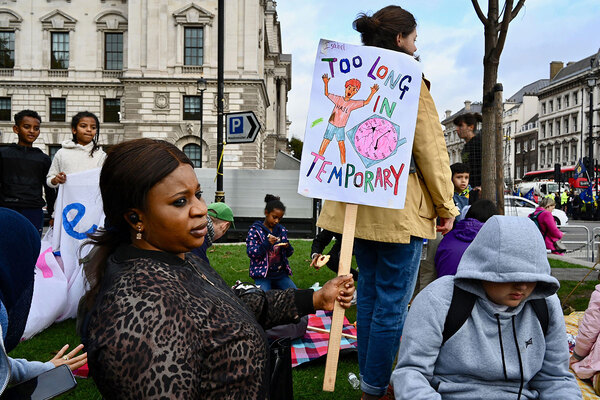
The APPG report acknowledged that despite its cost, temporary accommodation is poor quality and can be harmful to live in. It highlighted a recent report by the Households in Temporary Accommodation APPG, which found that this type of housing had been cited in the deaths of 74 children in the past five years.
Francesca Albanese, executive director of policy and social change at Crisis, said: “This new report from the APPG for Ending Homelessness provides further evidence of Britain’s housing crisis severely harming people’s health, well-being and potential.
“We’ve heard directly from people who have been forced to sleep rough or stay in filthy and unsafe housing because they have nowhere to go. Alarmingly, this includes women fleeing domestic abuse and vulnerable young people. This is unacceptable – and entirely preventable.”
She added that government’s strategy “must also include a vital commitment to preventing homelessness occurring in the first place”.
In response to the report, David Robinson, assistant director of operations at housing association Riverside, said: “There is a financial crisis engulfing the sector right now and as homelessness and rough sleeping continue to rise, this is a critical moment for homelessness services in England.
“As parliament returns, this report is a critical reminder that we know how to end homelessness. By adopting an ‘invest to save’ approach, the last Labour government provided dedicated funding for supported housing services and halved the number of households living in temporary accommodation.
“A joint approach with the sector is needed so we can tackle this issue properly, once and for all.”
The Ministry of Housing, Communities and Local Government and the Local Government Association have been contacted for comment.
Already have an account? Click here to manage your newsletters
Related stories