You are viewing 1 of your 1 free articles
Asylum accommodation to cost £15.3bn over next decade, OBR predicts
The cost of asylum accommodation is expected to rise to £15.3bn over the next decade, according to the Office for Budget Responsibility’s (OBR) leaked forecast.


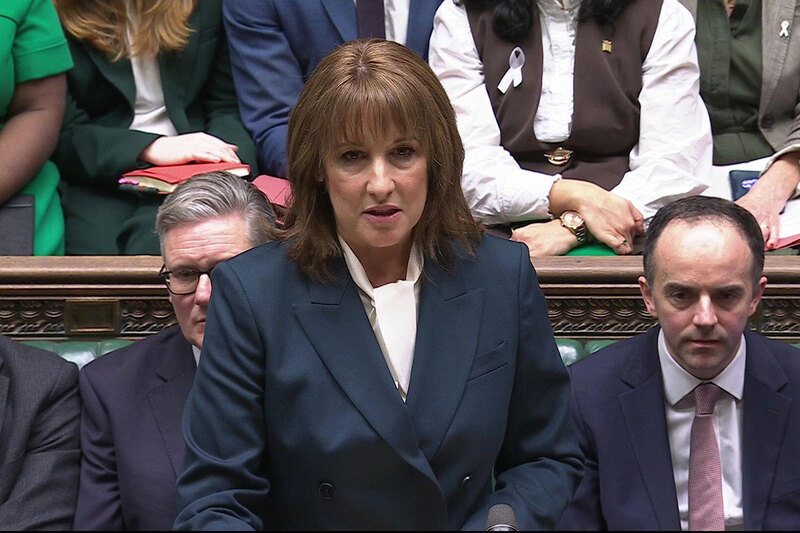 The cost of asylum accommodation is expected to rise to £15.3bn over the next decade, according to the Office for Budget Responsibility’s (OBR) leaked forecast #UKHousing
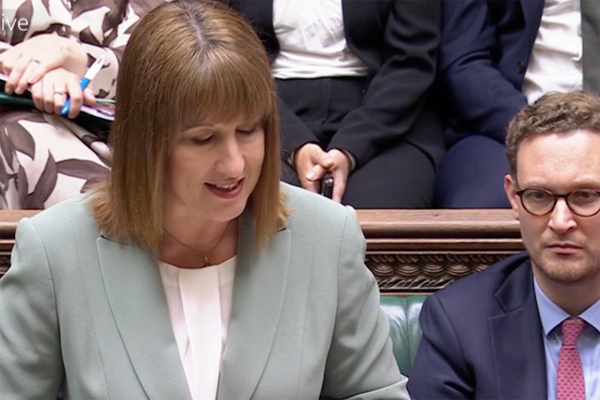
The estimate has been revised up from the Home Office’s previous estimate of £4.5bn and is one of several financial risks for local authorities set out in the OBR’s forecast, which was accidentally published this morning ahead of chancellor Rachel Reeves’ Budget announcement.
The budget watchdog also highlighted the financial risks of the increasing demand for temporary accommodation, which continues to put pressure on council budgets.
Read more
The OBR said the cost of local authority housing services rose by an average of 20% per year between 2022-23 and 2024-25, far higher than the 8% annual growth in the cost of housing services in the five years up to 2022-23.
Councils in England spent a record £2.8bn on temporary accommodation last year, with the annual bill rising by 25% as the homelessness crisis deepens.
The OBR also pointed out that temporary accommodation costs for councils are likely to “continue to rise” if some refugees move from central government-funded asylum accommodation to housing provided by local authorities.
The Home Office’s current contracts with private providers expire in 2029, and last summer Angela Eagle, then the minister for border security, said this represented a chance to “evolve away from the system we are in”.
The government is currently running a pilot scheme which will see some councils given funds to buy up properties or refurbish derelict buildings to house asylum seekers awaiting decisions.
Another key risk for councils is the housing and revenue account becoming unprofitable as growth in spending, driven by rising safety and maintenance costs in the sector, has outpaced growth in revenues, which have not kept up with rising costs due to restrictions on social housing rent increases.
The OBR has issued an apology after a “technical error” saw its forecast accidentally published before Ms Reeves had delivered her speech.
“We will be reporting to our Oversight Board, the Treasury and the Commons Treasury Committee on how this happened, and we will make sure this does not happen again,” the watchdog said.
It is also expecting net additions to housing stock to rise above 300,000 per year by 2029-30 due to the impact of planning reforms.

Related stories