You are viewing 1 of your 1 free articles
Cash flat budget could see 77% of providers reduce service capacity, says CHC boss
At the membership body’s annual conference, the chief executive of Community Housing Cymru (CHC) warned of providers having to reduce service capacity by up to 77%.


 At the membership body’s annual conference, the chief executive of Community Housing Cymru warned of providers having to reduce service capacity by up to 77% #UKhousing
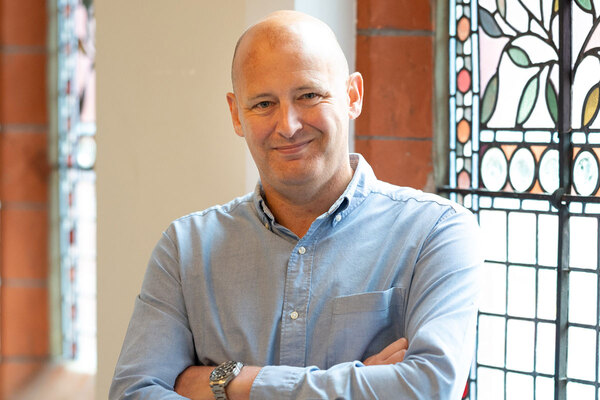
In his opening address at the annual conference in Cardiff today, Stuart Ropke outlined the difficult decisions landlords were having to make during what he described as a “perfect storm” in the sector.
Mr Ropke said: “Some providers have told us that the effect of a cash-flat settlement in next year’s budget [will be that] 77% of them will be likely or extremely likely to reduce service capacity. Forty per cent will be extremely likely or likely to have to hand back existing contracts.”
This inflationary impact on the Welsh governments and landlord’s budgets comes at a time when record numbers of people are in temporary accommodation and demand for housing support services is increasing.
Read more



Mr Ropke highlighted that there were more than 11,000 people in temporary accommodation in Wales, saying that what was “heartbreaking” about that figure, was that 3,000 of these were dependent children aged under 16.
He added: “The numbers are going the wrong way and the crisis is deepening.”
The CHC chief executive also spoke of the cost of living crisis; food and energy were the top two reasons tenants approached CHC members for support.
A recent report by CHC, published last week, revealed that more than 14,000 Welsh tenants received financial support from their housing association in the first six months of this year.
Earlier this month, CHC highlighted figures from the Trussell Trust charity, which showed 88,518 emergency food parcels were handed out by its food banks in Wales between April and September this year. This represented a 15% year-on-year rise.
The charity also provided a record 32,149 food parcels to children in that period.
Mr Ropke said: “The cost of living crisis, driven by rising inflation, is continuing to hit people hard, and social housing tenants too often bear too much of the burden of an economic crisis.”
He called on the UK government to introduce a social energy tariff to ensure people on lower incomes could heat their homes.
With associations currently building around 70% of all affordable housing in Wales, Mr Ropke outlined the challenges and risks associated with development in the current economic climate.
He said: “The cost pressures have just been one part of the challenge for the delays caused by the increasing complexity of planning and environmental management and a system creaking under the pressure for this issue. There is no quick fix, but our voice is being heard.”
He was followed on the main stage by Julie James, the opening keynote speaker and the Welsh climate change minister.
Ms James, whose brief includes housing in Wales, said the government was in a tough financial situation that was being mirrored across the housing sector.
She added: “We all try to make much-needed funds stretch that little bit further. And frankly, I’ve had very sharp elbows out in some of the cabinet meetings, protecting the homelessness and Housing Support Grant funding in particular.
“I know that our cash-flat budget is not what people wanted, but believe me, it was hard fought to keep it where it was, and we will continue to try and do all that we can to keep it at least cash flat and, if at all possible, to increase it.”
Ms James spoke of last week’s Autumn Statement and how the government had listened to the “long-standing call” to increase the Local Housing Allowance (LHA) to the 30th percentile.
“Sorry for the politics everyone. Obviously you want to be at the 50th percentile, but 30th is better than where it was before,” she added.
LHA is the amount households can claim towards rents in the private sector. It was initially set at the 50th percentile of rent prices in 2008, before being reduced to 30%, meaning the bottom 30% of homes in an area should be affordable to benefit claimants.
Ms James said the Welsh government was currently making its final spending decisions regarding its draft budget this week.
She added: “But I’m under no illusion: the Autumn Statement offered no targeted support for the most vulnerable and did not change the financial outlook in Wales in any fundamental way at all.
“If our budget had kept pace with the growth in the economy since 2010, we would have an additional £3bn to spend on public services and businesses in Wales.”
Despite the spending challenges, Ms James said she was “very optimistic about the can-do attitude of the sector”, as the government worked with landlords to “weather the current economic storm”.
Sign up for our Wales newsletter

New to Inside Housing? Click here to register and receive our Wales round-up straight to your inbox
Already have an account? Click here to manage your newsletters
Related stories