You are viewing 1 of your 1 free articles
Clarion calls for rise in shared ownership income caps to stop key workers being priced out
The UK’s largest social landlord has urged the government to raise shared ownership income thresholds to keep the scheme “accessible” to working households.


 Clarion calls for raise in shared ownership income caps to stop key workers being priced out #UKhousing
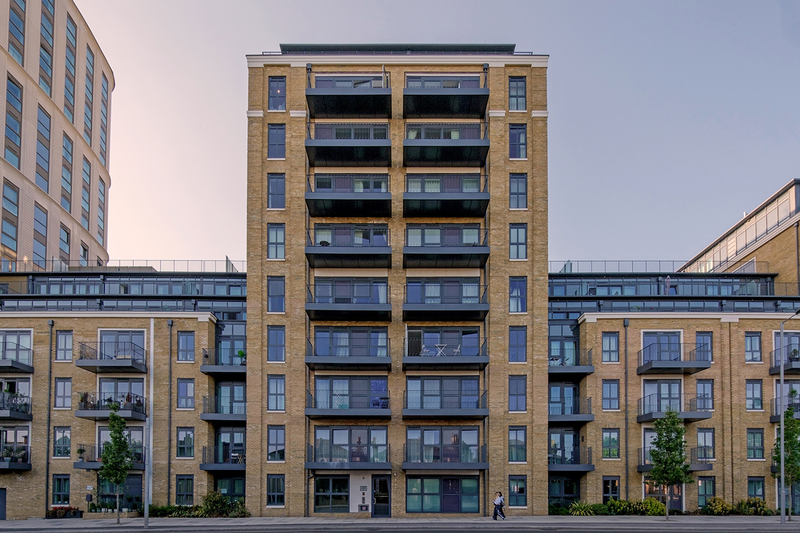
Clarion, which has around 11,500 shared ownership properties, said income eligibility caps for the tenure have been frozen since 2016 despite inflation and rising wages.
At the moment, the income thresholds are set at £80,000 outside London and £90,000 in London, but the landlord warned this was pricing out the key workers the scheme was originally designed for.
The association pointed out that a mid-career teacher in London earns roughly £47,000. As a result, two teachers buying together can easily exceed the £90,000 cap and be ruled ineligible for shared ownership.
Read more


The large provider has suggested a new limit of £120,000 in London and £110,000 outside London to “better reflect” current income patterns and the growing reliance on dual incomes among first-time buyers.
The landlord argued that due to the end of Help to Buy, shared ownership is one of the “few remaining routes” into accessible homeownership.
It said the average deposit for a Clarion shared ownership home is under £11,000, with most buyers starting with only a 5-10% deposit on their share. “For many, this is the only path into long-term housing security they are not priced out of,” the landlord added.
Shared ownership allows buyers to get a foot on the housing ladder by purchasing a share of a home owned by a housing association and paying rent on the remaining share.
The scheme has received tens of millions in public funding under previous affordable homes programmes, but has come under scrutiny in recent years.
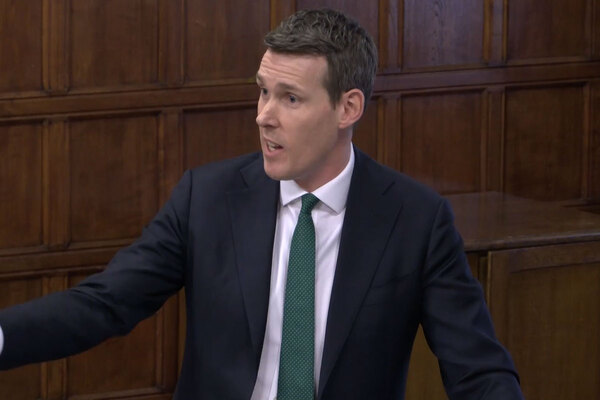
Last year, housing minister Matthew Pennycook indicated the government was considering some tweaks to improve the model.
An MP-led inquiry in 2024 called for “urgent” reforms to shared ownership after it found that uncapped service charges, rising rents and unfair maintenance costs made the tenure unaffordable.
Clarion said shared ownership is not a “complete solution” to the housing crisis, but is one of the most effective and affordable routes into ownership for those shut out of the traditional market.
Clare Miller, chief executive officer at Clarion, said: “Raising the London shared ownership income cap would not expand the scheme beyond its original purpose. It would restore it.
“[It would be] reflecting inflation, recognising modern public sector pay structures and keeping housing costs within sustainable limits, all without adding pressure to public finances.
“Updating the income threshold is a practical, cost-free change. But for the working households the system was designed to support, it would make all the difference.”
Sign up to Inside Housing’s Daily News bulletin
Sign up to Inside Housing’s Daily News bulletin, featuring the latest social housing news delivered to your inbox.
Already have an account? Click here to manage your newsletters.
Related stories