Councils flout law by failing to provide homelessness assessments, report finds
Local councils in England are regularly failing to provide homelessness assessments for young people, new research has found.


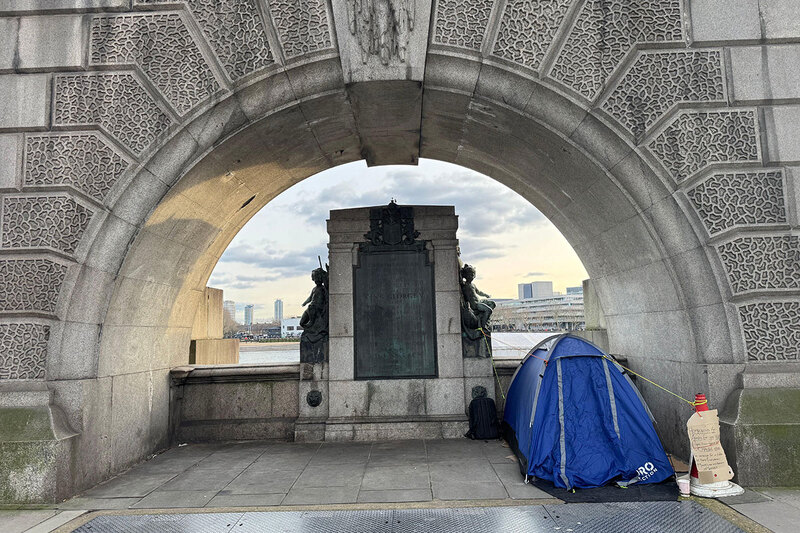 Local councils in England are regularly failing to provide homelessness assessments for young people, new research has found #UKhousing
Despite a legal duty for councils to carry out assessments, homelessness charity Centrepoint found that only 65% of more than 100,000 16-24-year-olds who were facing homelessness in England in 2024-25 were assessed.
In 2023-24, councils assessed 67% of young people facing homelessness. However, the total number of cases was lower: just under 68,000.
That means that while around 22,000 young people may not have received assessments in 2023-24, the figure was more than 35,000 last year.
Under the Homelessness Reduction Act 2017, councils are responsible for either preventing or relieving homelessness and have a duty to assess those presenting as homeless or at risk.
Lisa Doyle, head of policy and public affairs at Centrepoint, said: “Too many young people find themselves denied assessments they may need to access housing and homelessness support.
“Regardless of the systemic reasons behind this, it can be unlawful, and the inevitable outcome is that young people are not getting the support they need.
“Every week, the Centrepoint helpline receives calls from young people turned away from their local authority without an assessment.
“Many of them have been forced to sleep rough as a result, and a significant proportion should be classed as in priority need and therefore entitled to support.”
There was some regional variation in Centrepoint’s figures, with the South West performing worst. Councils here were found to have assessed fewer than half the young people presenting to them.
Similarly, councils in the North West also assessed fewer than half of all cases, despite the region experiencing the biggest increase in the number of people facing homelessness.
Centrepoint cited a youth homelessness funding shortfall as a possible cause of councils’ poor performance. Research it carried out alongside consultancy WPI Economics found a £325m shortfall for youth homelessness services across England.
Ms Doyle added: “Some of this is happening because councils simply lack the funds to follow up an assessment with support, but it’s clear there’s routine rationing of this support that goes beyond binary questions about funding.
“Councils should be doing better, and we urge the government to conduct a review to find out why so many young people are being turned away. The Ending Homelessness Plan, with its emphasis on prevention and the announcement of new funding, is a good start, as is the commitment to update the Homelessness Code of Guidance.
“But we need to see some real urgency here: the more young people found ineligible for support, and the fewer cases resolved at earlier stages, the more young people reach the crisis point where intervention is more expensive – and personal cost becomes significant.”
Commenting on the research, a spokesperson for the Local Government Association said: “Councils are committed to their duties to young people, and working with households with children to best support them, to best prevent homelessness and help those who are homeless out of it.
“This remains hugely challenging, due to demand for temporary accommodation and a shortage of homes.
“The chronic shortage of suitable housing across the country means that councils are increasingly having to turn to alternative options for accommodation at a significant cost. There are currently 132,410 households living in temporary accommodation, at a cost to councils of £2.8bn a year.
“In order to effectively reduce homelessness and tackle housing waiting lists, councils need the powers and resources to build or acquire more of the genuinely affordable homes our communities desperately need.”
Sign up to Inside Housing’s Homelessness newsletter
Sign up to Inside Housing’s Homelessness newsletter, a fortnightly round-up of the key news and insight for stories on homelessness and rough sleeping.
Already have an account? Click here to manage your newsletters.
Related stories