You are viewing 1 of your 1 free articles
Councils not moving fast enough to meet net zero goals
UK councils have made progress on climate action in the past two years but are not moving fast enough to meet their net zero targets, a new report has found.


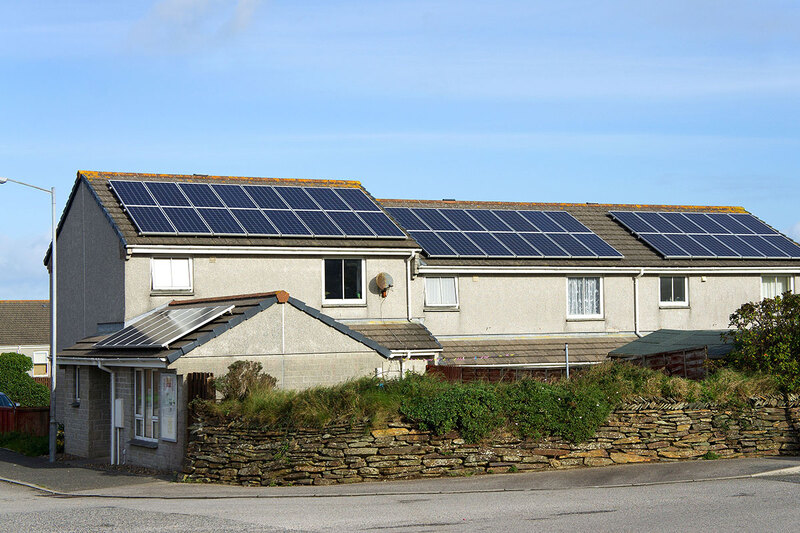 UK councils have made progress on climate action in the past two years but are not moving fast enough to meet their net zero targets, a new report has found #UKHousing
Climate Emergency UK, a non-profit organisation, said that the climate action work undertaken by councils across the UK has improved overall since 2023.
However, since many councils have 2030 net zero targets, “this improvement is not fast enough”.
The average score for a council in Climate Emergency UK’s 2025 Council Climate Action Scorecards, which measure "tangible actions" on climate change, was 38%, up from 32% in 2023. Ninety per cent of local authorities have reduced mowing or created wildflower habitats in their area, up from 80% in 2023.
Read more


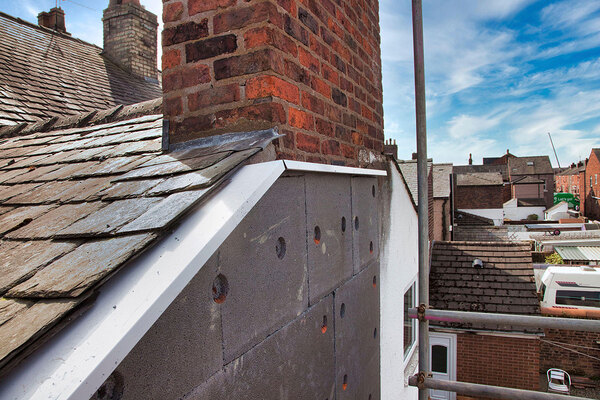
Meanwhile, 18% of planning authorities have policies to build net zero homes, up from 14%, and 70% of authorities publish an annual climate report, up from 63%.
Planning authorities setting the highest water efficiency standards for new builds increased to 62%, from 59% in 2023.
However, in other areas, climate action has stalled or even decreased. The number of responsible local authorities providing kerbside food waste recycling has stalled at 60%, while the number of councils that have a renewable energy tariff or generate renewable energy equal to 20% of their own energy use fell by eight percentage points, from 59% in 2023.
There was also an 8% decrease to 35% in authorities lobbying the UK government or devolved administrations for further climate action.
Local authorities offering funding for residents to retrofit their homes remained at 96%, the same percentage as 2023. Moreover, councils including climate risks in their corporate risk registers stood at 34%.
Isaac Beevor, partnerships director at Climate Emergency UK, said: “While we have seen improvement across many measures in the scorecards, no council is acting at the scale and pace that the climate crisis deserves.
“We need councils to embed climate action across every area of the council, from their decision-making to their transport plans and projects to support residents retrofitting their homes.”
Louise Marix Evans, director of strategy and technology at Quantum Strategy & Technology, said: “Council climate action is at a crossroads and as in Scotland, England’s councils should also have a legal duty to deliver the Climate Change Act and contribute to national carbon budgets and adaptation targets so they can go further and faster in creating a fairer, resilient, cleaner and greener UK.”
The Local Government Association has been contacted for a response.
Sign up for our asset management and sustainability newsletter

Already have an account? Click here to manage your newsletters
Related stories