You are viewing 1 of your 1 free articles
G15 residents’ group chair highlights ‘unfair’ access to building safety funding
The chair of the G15 residents’ group called access to building safety funding “fundamentally unfair” at Inside Housing’s Tenant and Resident Engagement Conference.


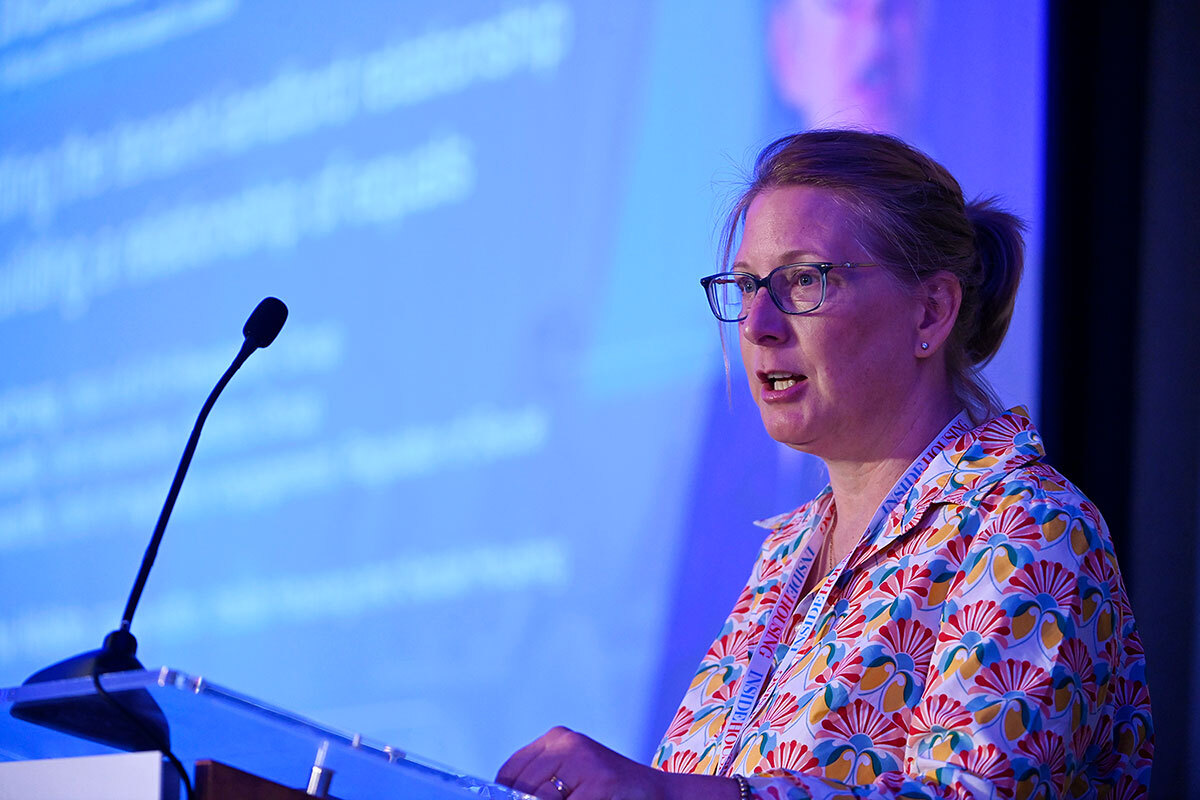 The chair of the G15 residents’ group called access to building safety funding “fundamentally unfair” at Inside Housing’s Tenant and Resident Engagement Conference #UKhousing
Daisy Armstrong said the 30-member forum would work with providers to highlight the issues with access to government during a session focused on resetting the tenant-landlord relationship and “building a partnership of equals”.
In January, MPs heard that just 10% of the Cladding Safety Scheme and Building Safety Fund had gone to the social housing sector.
Kate Henderson, chief executive of the National Housing Federation (NHF), called for “fair and equal access to building safety funding” at the meeting of the Housing, Communities and Local Government Committee.
Read more



Previous research by the NHF and property company Savills found that at least 91,000 new affordable homes could be built with the £3.8bn social housing providers are spending on removing dangerous cladding.
Ms Armstrong said the residents’ group, which was in its infancy last year, was starting to have an impact in the sector and urged housing professionals to work with them.
“Ultimately, our voice is to government, telling them exactly what the impact is; us being utilised to say what’s difficult for you,” she told the room in Bishopsgate, London.
“Because we will work with you and we will say that, for example, the building fire funding is fundamentally unfair.
“And that’s for government to actually change that, the criteria of that, so that housing associations and councils with renters can access that funding to retrofit the cladding on their buildings ,and it’s not just for leaseholders.
“So there’s information and arguments that we can deliver to government that is ultimately going to help you.”
She added: “We’re really good value for money and we want to be sitting round the table with you. So let’s pull up a chair together.”
Ms Armstrong said chief executives had been “incredibly brave” to allow the residents to work strategically to ensure they are driving messages to the government to change policies before they are written.
The group has already fed into Awaab’s Law guidance, but would like to work with government to perfect it further, she said.
She stressed this was important to avoid complaints or backtracking in future.
“That’s why having us as equal partnerships is absolutely key,” she said.
“You need to have our insight to make sure that your policies are right from the start, so that then you can reduce all the issues with communication to do with repairs and make our lives a bit easier living in our homes.”
The residents’ group is backed by the G15’s housing associations, and represents 849,000 residents, or one in 10 Londoners, as well as those across the wider UK.
It has sponsored research into stigma in social housing, and in a letter to the housing secretary earlier this year, it called for a 10-year settlement on future rents.
Sign up for our fire safety newsletter

Already have an account? Click here to manage your newsletters
Related stories