You are viewing 1 of your 1 free articles
Grenfell lift inspector insists he checked crucial fire control switch
An engineer responsible for inspecting lifts at Grenfell Tower has insisted he checked a crucial fire control switch just five weeks before the deadly blaze, despite firefighters being unable to operate it on the night of the fire.


 An engineer responsible for inspecting lifts at Grenfell Tower has insisted he checked a crucial fire control switch just five weeks before the deadly blaze, despite firefighters being unable to operate it on the night of the fire #UKhousing
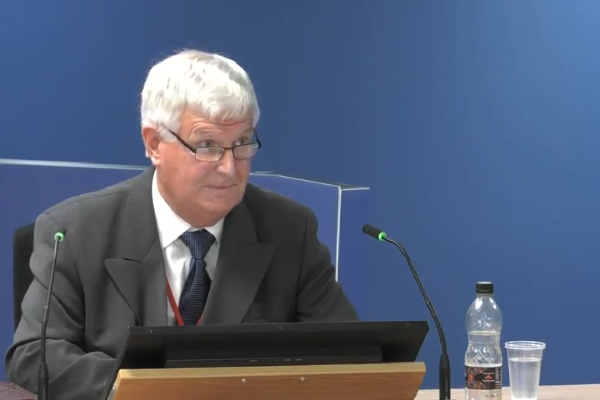
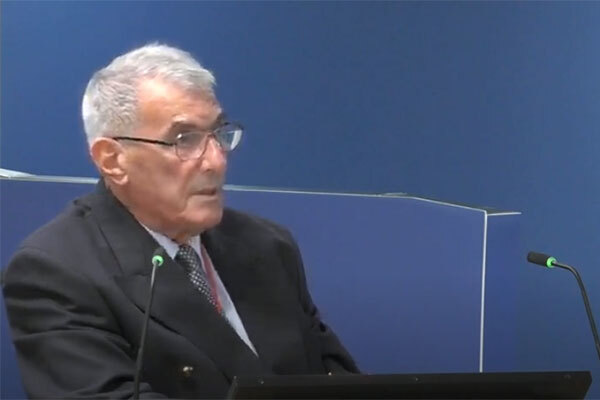
Mark Wallis, a lift engineer from PDERS, a division of Otis Ltd, said he checked the switch during maintenance visits in April and May 2017 – ahead of the fire in June – finding that it was working.
But there is no written record of these checks and a lawyer representing the Fire Brigades Union (FBU) has previously said that his evidence “cannot properly be relied upon”.
The switch, which would have brought both lifts to the ground floor and put them under the manual operation of firefighters, could not be operated by firefighters on the night of the blaze.
Read more
This meant lifts were unavailable to affect rescues and transport equipment in the early stages of the fire, and residents were able to continue using them.
Three residents are believed to have died when the lift they were in filled with smoke and stopped abruptly at the 10th floor.
Investigations after the fire found that the switch was damaged and clogged with builders’ debris and, as a result, the FBU is challenging the conclusion of an inquiry expert that it would have worked if firefighters had used a different key.
This conclusion is founded in part on Mr Wallis’ claim that he tested the switch twice on both 12 April and 9 May 2017 and found it to work. The fire occurred in the early hours of 14 June.
PDERS was contracted by building manager Kensington and Chelsea Tenant Management Organisation (KCTMO) to check the switch only annually.
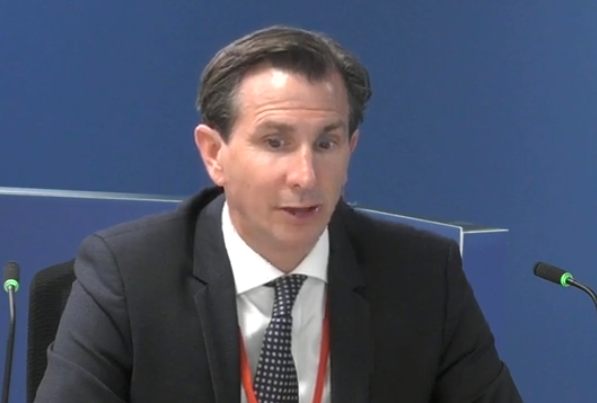
“Your evidence in your witness statement said that you did do it twice during both visits… Where does that practice come from?” asked counsel to the inquiry Alex Ustych.
“That comes from my own training and experience as an engineer,” Mr Wallis replied.
There was no ‘checkbox’ on his inspection form to record whether he had tested the switch, but it did include a ‘free text’ form where he could have noted it down.
“Looking back, I should have actually put it down that I checked it. But I didn’t,” he said.
He told the inquiry he had a “specific recollection” of making the checks, despite saying his overall recall of the inspection visits was “not that good”.
“In answer to my question earlier about whether you recall the May visit, your answer was… that your recollection perhaps isn’t that good,” said Mr Ustych. “How do you reconcile that with the answer you give here?”
“It’s basically because of the fire that happened,” said Mr Wallis. “I know that I checked that switch.”
The inquiry saw an email from a manager at PDERS on 28 June 2017, two weeks after the fire, which said that Mr Wallis had “confirmed both switches were in a working order” at his last inspection. There was only one control switch for both lifts at Grenfell, excluding a disconnected one on the second floor.
“I don’t know where he means by both, it was just the one switch,” said Mr Wallis.
In its opening statement, the FBU insisted that firefighters were unable to take control of the lifts because the switch was blocked with builders’ debris, which it said occurred because it was “not looked after properly during the main refurbishment works”.
Mr Wallis claimed that he would have identified that the switch was blocked with debris during his inspections as it would have been “really stiff to turn”, and that if he had discovered this he would have “taken it out and had a look”.
In addition to Mr Wallis, witnesses from Bureau Veritas, which also inspected lifts in the building in advance of the fire, claimed to have checked the switch and found it to work.
But the FBU called evidence from both of these companies “self-serving” in its opening statement as both companies “were obliged to inspect the [fire control] switch”.
Earlier in the day, the inquiry heard from two former engineers of Apex, the company that carried out works to improve the lifts in 2004.
These works were examined in detail last week, when the inquiry heard that the lifts were not upgraded to ‘firefighting’ standards, and were instead designed to meet the less-demanding standard of ‘fireman’s lifts’.
Asked about this today, the witnesses said they were simply following the specifications of consultancy Butler & Young Lift Consultants, which advised KCTMO on the work. Neither could confirm the claims of Butler & Young Lift Consultants witnesses that KCTMO had expressly opted against a firefighting lift.
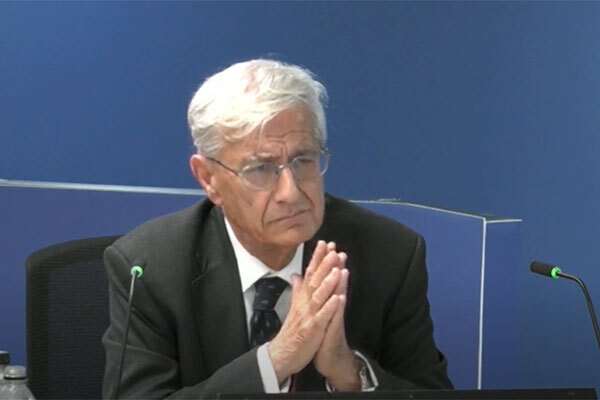
One, Roger Anthony, said it was normal for council blocks not to have their lifts improved to meet firefighting standards. “I’ve never seen a fully compliant firefighting lift in any local authority building, to this day actually. So why would it be different at Grenfell?” he said.
Butler & Young Lift Consultants is a distinct company from other Butler & Young firms operating in the construction sector.
The inquiry continues.
Sign up for our weekly Grenfell Inquiry newsletter
Each week we send out a newsletter rounding up the key news from the Grenfell Inquiry, along with the headlines from the week
Already have an account? Click here to manage your newsletters
Related stories