You are viewing 1 of your 1 free articles
Homeless children in Scotland report being exposed to violence and vermin
Homeless children in Scotland are being exposed to violence and vermin in temporary accommodation, according to new research.


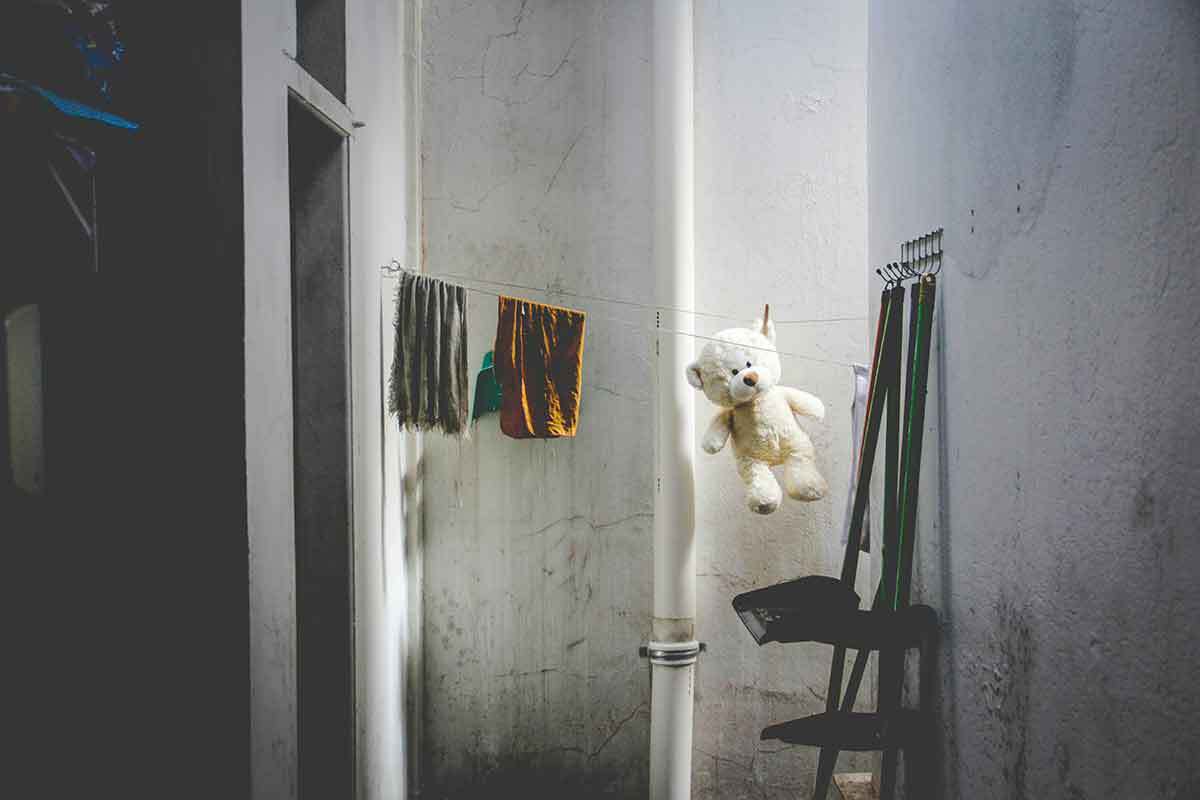 Homeless children in Scotland report being exposed to violence and vermin #UKhousingHomeless children in Scotland are being exposed to violence and vermin in temporary accommodation, according to new research #UKhousing
Researchers at De Montfort University and University College London interviewed Scottish children aged between five and 18 and parents of children aged four and under to examine the impact of life in temporary accommodation.
The report, commissioned by housing charity Shelter Scotland, found “consistently poor housing experiences”, with challenges affecting children’s sense of security, their physical, mental and social health, and their schooling.
This has led to academic engagement and peer relationship suffering as a result.
As of September 2024, there were 10,360 children living in temporary accommodation in Scotland – an increase of 5% on the previous year.
Read more


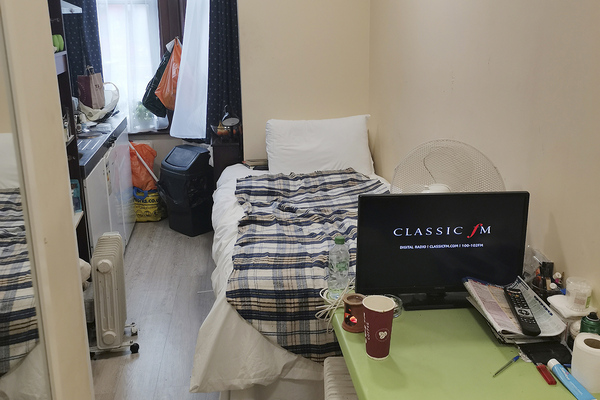
Children spoke about how they are moved miles away from friends and family, left with no other option than to sleep in beds covered in black mould and placed in accommodation with urine-soaked carpets, dead rats and broken windows, with no access to decent cooking and washing facilities.
A lack of kitchen facilities has impacted children’s nutrition and food security, often forcing families to rely on convenience foods or foodbanks. Hygiene conditions were often poor and health conditions were exacerbated by cold, damp and poorly maintained housing, leading to repeated hospitalisations for children with asthma or infections.
Sleep deprivation was a “common issue”, the report found, due to inadequate sleeping arrangements, overcrowding and noise disturbances from neighbours or busy streets.
Given the location of the housing children were placed in, children were at risk of facing physical dangers from unsafe streets, exposure to crime and anti-social behaviour, contributing to a sense of fear and insecurity. Other changes in children’s behaviour included increased aggression and separation anxiety.
Many children highlighted the impact of not only the state of temporary accommodation but also the system around it, including poor maintenance and frequent moves, as having detrimental impacts on their lives.
Alison Watson, director of Shelter Scotland, said: “The findings of this research should shame us all. We, as a nation, are failing those children trapped in our broken and biased homelessness system.
“This research shows clearly that it is now more important than ever that all levels of government need to tackle the housing emergency and protect thousands of Scotland’s children from further harm… This is our wake-up call.”
Recommendations from the report included increased and sustained investment for family-sized social homes, more emphasis placed on the quality and suitability of temporary accommodation, and better support for children.
All temporary accommodation, including those supplied by private sector leasing schemes, should be maintained to the same standard as permanent social housing, with repairs carried out in a timely manner and comprehensive property checks undertaken before a family moves in.
Despite a promise by the Scottish government to cut the number of households in temporary accommodation by the end of this parliament, the numbers have risen every year since the election. The number of children in temporary accommodation in Scotland has increased by 149% since 2014.
Scottish housing minister Paul McLennan said: “This report from Shelter Scotland shows the impact that long periods of living in poor-quality temporary accommodation can have on children and their parents. That is why this government is taking action to reduce the number of families living in temporary accommodation.
“Our Budget for next year includes a £200m boost to the 2024-25 affordable housing programme, taking our total investment for 2025-26 to £768m and we are working with partners to maximise that investment.”

Related stories