You are viewing 1 of your 1 free articles
Johnson cuts ‘particularly difficult’ for LFB but not to blame for failures to respond to Lakanal fire, inquiry hears
Budget cuts imposed by Boris Johnson during his time as London mayor were “particularly difficult” for the London Fire Brigade (LFB) but did not impact on its response to recommendations arising from the Lakanal House inquest, the inquiry heard today.


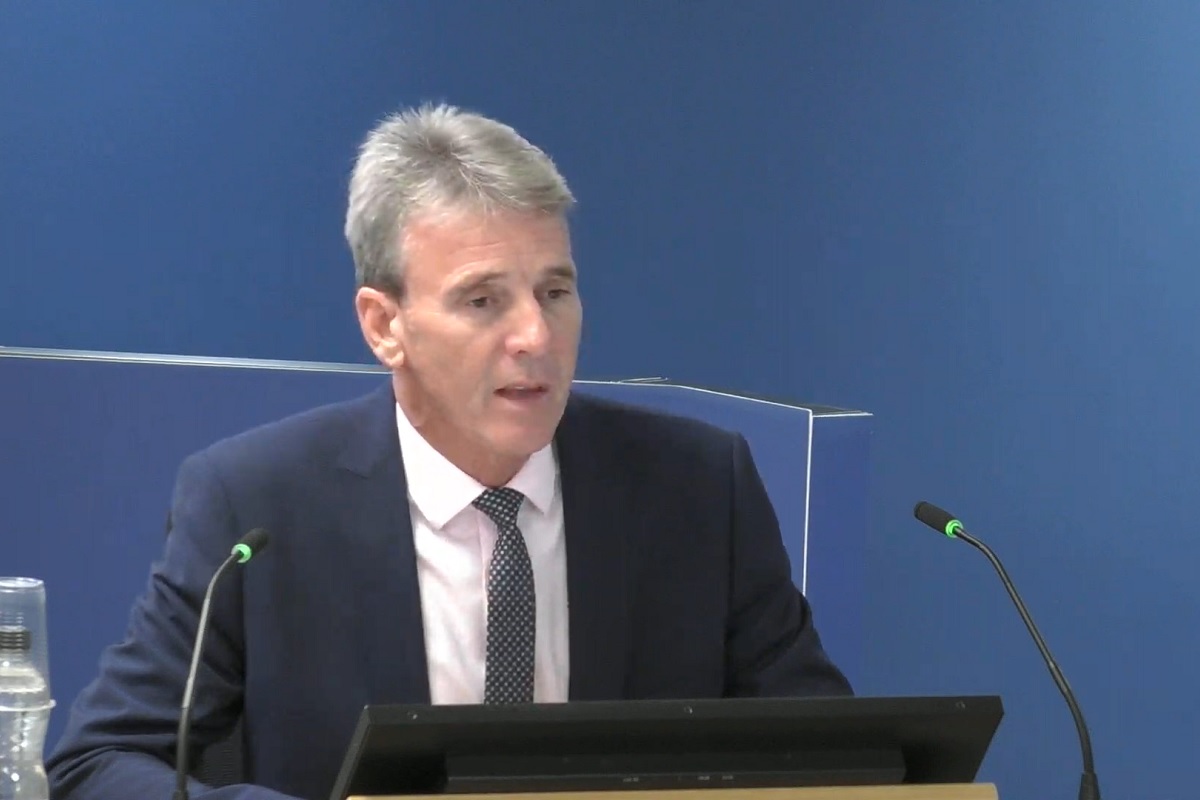 Budget cuts imposed by Boris Johnson during his time as London mayor did not impact on the fire brigade’s response to recommendations arising from the Lakanal House inquest, the Grenfell Tower Inquiry heard today #UKhousing
Over the past week of evidence, the Grenfell Tower inquiry has heard how training packages that were supposed to fulfil the Lakanal recommendations were heavily delayed and failed to address certain key issues.
The LFB has been severely criticised for its response on the night of the Grenfell Tower fire, with the inquiry’s phase one report concluding that the first incident commanders on the scene “were faced with a situation for which they had not been properly prepared”.
It has been repeatedly suggested that austerity measures introduced by Mr Johnson were a factor in the LFB’s failings.
One lawyer representing survivors and the bereaved told the inquiry last week that the now prime minister’s “cruel agenda” of cuts directly impacted on the brigade’s ability to discharge its duties.
But giving a final day of oral evidence today, Gary Reason, former director of operational resilience at training at the LFB, poured doubt on suggestions that budget constraints affected the organisation’s training in the light of Lakanal.
After the 2009 Lakanal House fire in south London in which six residents died, the coroner investigating the deaths issued the brigade with a letter in March 2013 containing recommendations aimed at preventing future fatalities – this was known as a Rule 43 letter.
Read more

Among the recommendations was a call to introduce training for incident commanders on seven areas, including “to anticipate that a fire might behave in a manner inconsistent with the compartmentation principle” and “to be aware of the risks to those above and adjacent to the fire flat”.
The inquiry has heard already that despite the April 2013 deadline, some of the training materials were still only in the pilot phase by the time of the Grenfell Tower fire in June 2017.
Training packages that were developed failed to address issues with radio communications which occurred at Lakanal and were repeated at Grenfell as well as external fire spread, the inquiry has heard.
Another training package on firefighting in highly insulate buildings was developed but not made available due to IT issues.
Mr Reason has agreed that some of these shortcomings in the training meant the materials did not meet the Lakanal Rule 43 recommendations.
“The period from about 2009 to 2016 was a particularly difficult period for the brigade in terms of budget efficiencies that were imposed on the brigade by the then-mayor Boris Johnson,” he told the inquiry today.
These efficiencies resulted in 10 stations closing, 685 frontline posts being cut and the LFB’s pump fleet reducing by 13, he added.
But in answers to a series of questions from inquiry lead counsel Richard Millett QC, Mr Reason denied that the cuts affected the LFB’s response to the Lakanal recommendations.
Mr Millett asked if its “difficult budget” was “any explanation at all for the defects and delays in the addressing of the Rule 43 recommendations from the Lakanal House coroner?”
Mr Reason replied: “I don’t think so, no.”
He added that he believed existing budgets were sufficient to effect the recommendations and said “no” when asked if anything ever gave him cause to think they were not.
“Given the time of budget constraints… what was the mechanism by which LFB ensured its response was insulated?” Mr Millett asked.
Mr Reason responded: “I don’t think that was ever required because none of the proposals in the commissioner’s response to the Rule 43 recommendations were ever discussed in the context of budgetary constraint.
“There was never any discussion that I can recall – and I know it to be a fact – that it was not an inhibiting factor.
“Nothing that we did in relation to responding to the coroner’s recommendations was limited or inhibited by budgetary constraints as far as I’m aware.”
Then Mr Millet asked whether budgetary constraints “were in any way to blame for the slow production or perhaps poor quality of the training materials?”
Mr Reason responded: “I don’t think they’re connected at all.”
Training provision was privatised during Mr Johnson’s time as mayor, with contractor Babcock International taking over responsibility for training staff. The inquiry has previously heard that this relationship resulted in difficulties making swift changes to training, particularly in the early years.
Towards the end of his evidence, Mr Reason was asked if he thought that Grenfell was a “one-off fire that was completely unpredicted and for which the LFB could never reasonably be prepared” and if he could have done anything differently to help the brigade better prepare.
“I honestly don’t think anyone in the British fire service at that point in 2017 could have dealt with a fire on that scale,” Mr Reason said.
The inquiry continues.
Sign up for Inside Housing’s weekly Grenfell Inquiry newsletter

Each week our sister publication Inside Housing sends out a newsletter rounding up the key news from the Grenfell Inquiry, along with exclusive analysis of what it all means for the social housing sector.
Already have an account? Click here to manage your newsletters
Related stories