From ambition to delivery: the journey to net zero in housing
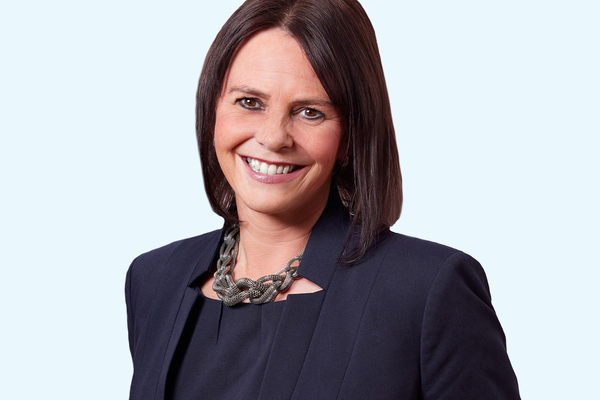
Pauline Lutaaya, partnerships manager at the Communities and Housing Investment Consortium (CHIC), discusses the progress on decarbonising homes and the annual CHIC Conference and Exhibition


 From ambition to delivery: the journey to net zero in housing #UKhousingPartnerships manager Pauline Lutaaya discusses the progress on decarbonising homes and the Communities and Housing Investment Consortium’s annual conference #UKhousing
More than five years since net zero became part of the housing sector’s everyday language, the challenge has shifted from ambition to delivery. While the UK has made strong progress at a national level, housing continues to lag behind, with many organisations struggling to turn plans into scalable action.
The issue is not a lack of intent, but a lack of alignment. Decarbonising homes requires co-ordination across policy, funding, supply chains, technology and resident engagement. No single organisation can deliver this alone. Collaboration will ultimately determine whether the sector accelerates or stalls.
Read more


There are clear signs of progress. Some organisations are moving beyond pilot projects by sharing data, aggregating demand and building longer-term partnerships that support investment and innovation. In practice, this is already visible where housing providers are working alongside data and delivery partners to align retrofit planning with carbon modelling, or pooling demand across programmes to strengthen procurement and improve delivery confidence.
However, these approaches need to be adopted more widely if the sector is to deliver at the scale required.
Regulation is also beginning to shape how this collaboration is formed and prioritised. Policies such as the Future Homes Standard are influencing new build design and procurement decisions, while funding mechanisms such as the Social Housing Decarbonisation Fund (now called the Warm Homes: Social Housing Fund) are encouraging housing providers to co-ordinate retrofit activity more strategically.
Standards including PAS 2035 are further reinforcing the need for whole-house, co-ordinated approaches, making cross disciplinary collaboration between surveyors, contractors and asset managers increasingly essential. At the same time, evolving expectations around Minimum Energy Efficiency Standards are raising the baseline for energy performance across the wider housing market, reinforcing the need for long-term, joined-up planning rather than isolated interventions.
Engaging residents is another critical piece of the puzzle. In a shifting political landscape, mixed messages and misinformation can influence perceptions, particularly around retrofit. Building trust through clear, consistent communication and collaboration with communities will be key to increasing acceptance and driving meaningful change.
Continuing the conversation at CHIC
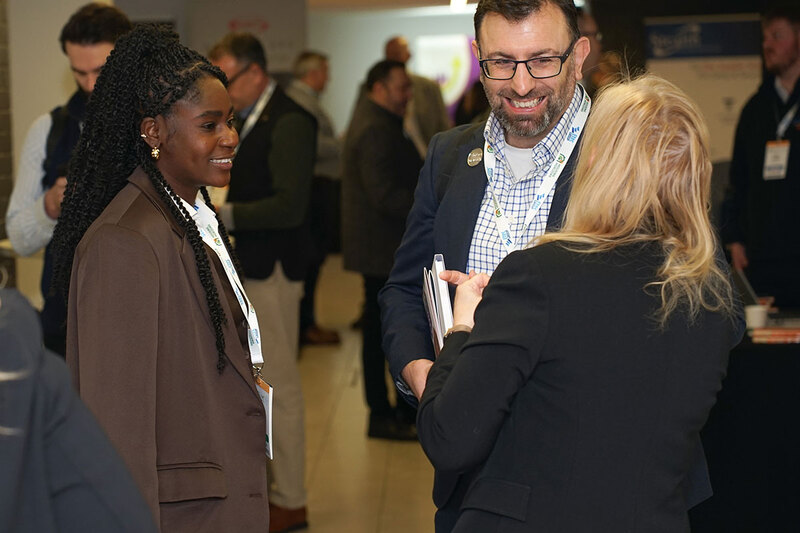
These themes will be explored in more depth at the annual CHIC Conference and Exhibition, where sector leaders will come together to discuss practical solutions and shared challenges.
One session in particular, called ‘The journey to net zero’, will take a closer look at how national progress compares with the reality on the ground for housing providers and what needs to change to accelerate delivery.
The discussion will be shaped by a panel of experienced voices from across the sector:
- Gemma Brooks, head of asset optimisation at Orbit Group, brings insight from a large housing provider perspective, with a strong focus on delivering sustainability strategies in practice
- Jon Daley, head of environment, social and governance at G2M Group, offers expertise in data, carbon modelling and helping organisations translate ambition into measurable outcomes
- Chris Chapman, strategic accounts director at Broad Oak Group, adds a valuable perspective on delivery, innovation and the realities of implementing change on the ground
Together, they will explore what is working, where the sector is falling behind and how collaboration across organisations, disciplines and communities can help bridge the gap.
For organisations looking to move beyond ambition and into action, it is an opportunity to hear directly from those working at the forefront of the challenge and to be part of a sector wide conversation about the path to net zero.
Pauline Lutaaya, partnerships manager, Communities and Housing Investment Consortium
Sign up to Inside Housing’s Sustainability newsletter
Sign up to Inside Housing’s weekly Sustainability newsletter, featuring our in-depth coverage of the sector’s journey to delivering net zero.
Already have an account? Click here to manage your newsletters.
Related stories