Large London landlords increase investment in community projects by one-fifth
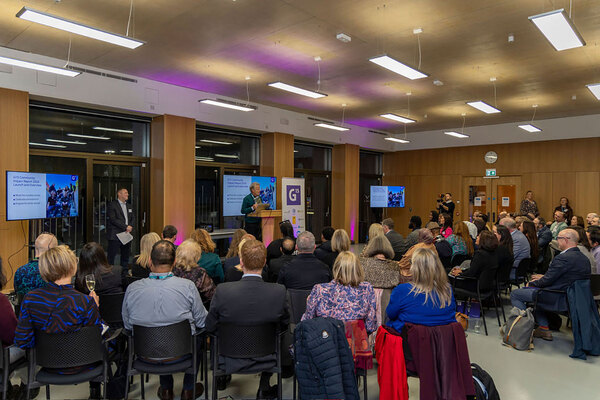
Tens of thousands of Londoners gained access to food and cost of living support, through schemes funded by the G15 group of the capital’s biggest housing associations last year.


 Large London landlords increase investment in community projects by one-fifth #UKhousing
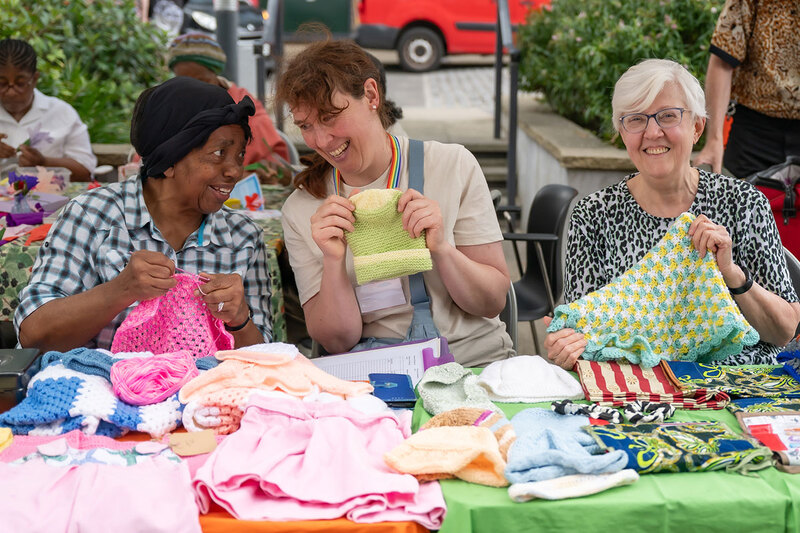
In total, housing associations upped their collective investment in community projects by a fifth in 2024-25, with £33m going towards programmes helping 345,000 people across the capital.
More than 28,000 people accessed food via 139 different projects, and over 19,000 were supported with money advice, according to a report by the G15 published this week.
Ian McDermott, chair of the G15 and chief executive of Peabody, said: “This report shows the difference our members are making every day, from supporting local people into work to strengthening financial resilience and well-being.
“We know that investing in communities is essential to building a resilient, fairer future for London and everyone who calls it their home.”
Read more


Of those who received money guidance, nearly half had their cases closed, and support with finances prevented almost 3,000 evictions.
Around 12,700 residents were supported through employment projects, with two in three finding a job or completing a training course, while 83,000 tenants accessed health and well-being support.
The landlords have nearly 250 community centres and facilities in London that are open to the public and were visited more than 300,000 times last year.
Sahil Khan, chair of the G15’s community investment group and director of community, strategy, partnerships and funding at Peabody, said: “Community investment belongs at the heart of social housing, removing barriers, opening up opportunities, and backing residents and communities to fulfil their potential.”
The G15 residents’ group, which represents tenants of the landlords, said it was “proud to champion the work showcased in this year’s report”.
“Residents value projects that are created with them and for them, and this year’s examples show just how powerful that collaboration can be,” the group said.
“At a time when many families are struggling to afford the basics, when older residents are living alone with little support, and when young people need safe places to develop and be heard, these initiatives provide lifelines that directly improve people’s everyday lives.
“We’ve seen first-hand how small interventions, such as a warm and welcoming community centre, a free skills workshop, a well-being session or a youth project, can build confidence, reduce loneliness and help residents feel connected.
“These are the moments that prevent issues from escalating: fewer people reaching crisis point, stronger relationships between neighbours, and safer, more resilient communities.”
Sign up to Inside Housing’s Daily News bulletin
Sign up to Inside Housing’s Daily News bulletin, featuring the latest social housing news delivered to your inbox.
Already have an account? Click here to manage your newsletters.
Related stories