Government publishes new data on hidden population of children in B&B temporary accommodation, following Inside Housing investigation
The government has published new data that reveals a hidden population of children in B&B temporary accommodation, following an Inside Housing investigation.


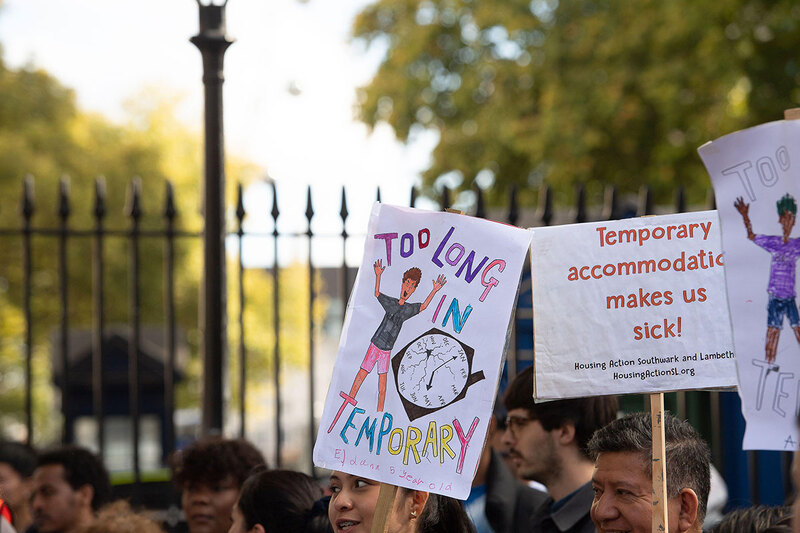 Government publishes new data on hidden population of children in B&B temporary accommodation, following Inside Housing investigation #UKhousing
New data from the Ministry of Housing, Communities and Local Government shows there are nearly 6,000 children living in council-run accommodation with shared bathroom or kitchen facilities, in addition to the 6,400 already known to be living in B&B temporary accommodation.
As the accommodation is owned by councils, these households are not protected by the same homelessness legislation and are not recorded in the official data.
The new data publication was in response to a data request from the Children’s Commissioner, prompted by a 2024 Inside Housing investigation. That investigation found that, in December 2023, there were at least 1,100 households with children in B&B-style accommodation.
Read more
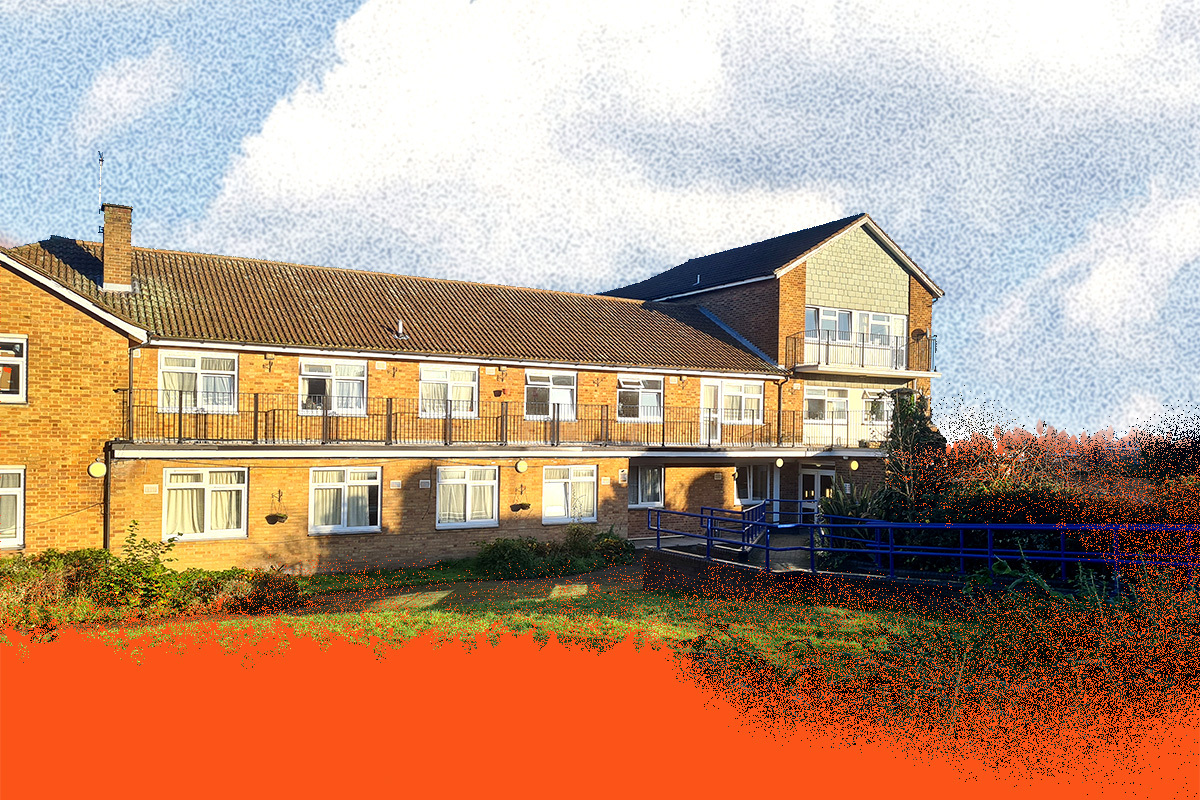
The new data shows that, as of June 2025, the number is in fact three times higher, with 3,380 households with children in this kind of accommodation.
Dame Rachel de Souza, the children’s commissioner for England, wrote today in an Inside Housing comment piece that while she was pleased with the government’s commitment to end the usage of B&B accommodation over six weeks, council-run accommodation was a “concerning loophole”.
“No child should be living somewhere without a kitchen or bathroom for an extended period of time, regardless of who owns it,” Dame Rachel said.
The new data shows that 90% of the children in council-owned temporary accommodation with shared facilities in June 2025 had been there for more than six weeks – totalling more than 5,300 children.
This is compared to 65% of children in privately owned accommodation over the six-week legal limit. In the homelessness strategy, the government set a target to end this practice.
Dame Rachel added: “While there is a statutory time limit of six weeks for the use of privately owned B&B accommodation for families with children, this doesn’t extend to B&Bs that are owned by the housing authority – the council – itself.
“Until now, we didn’t know how many were living in other types of temporary accommodation with shared facilities, including housing authority-owned accommodation. That’s why I requested the data on this issue.
“As the target in the homelessness strategy – to end the use of B&Bs for families for over six weeks – now stands, there is a real risk that children will just be moved from one form of shared accommodation to another.
“The experience of the child will be no different, the risks to their well-being no smaller – but on paper the target will have been met.”
The Children’s Commissioner is calling for the government to amend the definition of B&B accommodation as set out in The Homelessness Order 2003 to include accommodation owned or managed by housing authorities, social landlords and charities, and amend to the target in its homelessness strategy to end the use of all forms of shared accommodation for longer than six weeks – not just privately owned B&Bs
The commissioner also says the government must collect and publish data on an ongoing basis illustrating how many children are living in shared accommodation, regardless of ownership type, and disaggregating details on hostels, refuges and shared accommodation which is currently captured in the ‘housing within council’s own stock’ category.
An MHCLG spokesperson said: “B&Bs are no place for children, and too many families are stuck in cramped, unstable conditions that harm children’s health and development.
"That’s why we’re ending the use of B&Bs for families beyond six weeks by the end of this parliament, backed by £30 million through the Emergency Accommodation Reduction Programme.
"We’re also taking wider action to tackle poor‑quality temporary accommodation and will work closely with the Children’s Commissioner to deliver real change for children.”
Sign up to Inside Housing’s Homelessness newsletter
Sign up to Inside Housing’s Homelessness newsletter, a fortnightly round-up of the key news and insight for stories on homelessness and rough sleeping.
Already have an account? Click here to manage your newsletters.
Related stories