You are viewing 1 of your 1 free articles
Leaseholders lose appeal over cladding removal costs
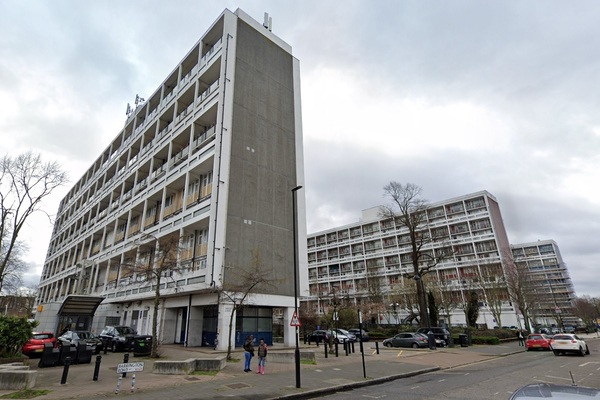
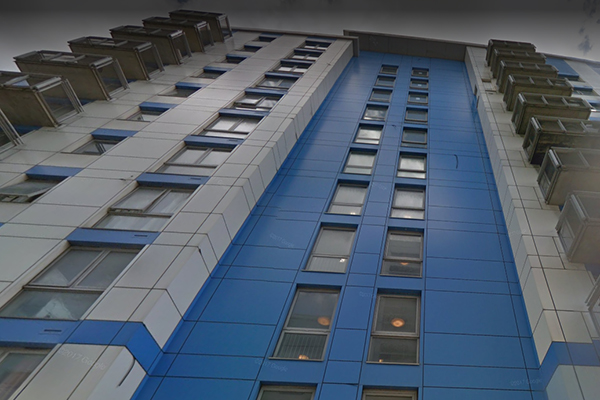
Leaseholders of a south London tower block have lost a tribunal and face a bill of around £2m to cover the cost of removing dangerous cladding.


 Croydon leaseholders have lost an appeal over the cost of removing cladding from high-rise buildings #ukhousing
The tribunal judgement for the 95-home Citiscape tower block in Croydon said leaseholders could appeal the ruling, however.
The tribunal ruled that the estimated cost of £483,000 to remove the cladding that failed government fire safety tests is “reasonable”, and a service charge is payable to cover this cost. This estimate then jumped up to £2.5m three months later.
Read more

Leaseholders across the country were anxiously awaiting the outcome of this hearing as an indicator of whether they could have to pay out for removing cladding from their blocks.
At a recent debate in parliament, cross-party MPs urged the government to step in and provide funding for the fire safety work. The government has said freeholders have a moral duty to pay the costs.
Despite ruling against the leaseholders, the tribunal said they may be able to take legal action against the developer, the local council for signing off on the safety of the building, or the government if it is found that building regulations “were not fit for purpose”.
The judgement stated: “It is foreseeable that the tenants may have claims against a number of parties: against the manufacturer of the cladding in particular if any warranties were given as to its suitability; against Barratt Homes if they were negligent as to the selection and installation of the cladding: against the local authority if there were errors in the certification process: against the DCLG if, as has been suggested elsewhere, the relevant building regulations were not fit for purpose.”
The judgement added: “The difficulty with all these potential claims is that they are entirely speculative with uncertain outcomes.”
It added that no claim could “realistically commence” until after the Grenfell Inquiry has issued its final report.
The leaseholders “would find themselves mired in litigation for many years during which time their flats would be effectively unsaleable”.
The case was brought in front of the tribunal by the block’s property manager, FirstPort.
Leaseholders are also liable to pay the cost of a 24/7 waking watch of fire wardens, which has been in place since last year. The judgement said the annual cost of the waking watch comes to £263,000.
The tribunal ruled that charging the leaseholders for the waking watch was a “reasonable” cost up to 19 December. After this date the tribunal said it had “insufficient evidence” to decide the reasonableness of the cost and this could be determined at a future hearing.
Leaseholders were critical of the waking watch cost, with some saying FirstPort had not considered other options, such as installing a fire alarm system.
Some of the leaseholders said on a number of occasions they had seen fire wardens asleep on the job. FirstPort responded to this by introducing a barcode scanning system which required wardens to check in while on shift.
FirstPort told the tribunal it has “knocked on the doors” of both the developer Barratt Homes and the freeholder Proxima GR Properties to pay for the cladding costs but had been “firmly rebuffed”.
Steve Reed, Labour MP for Croydon North, said: “The tribunal’s decision is the first time a judicial body has opened the door to a legal challenge against the government over their flawed fire safety guidance. The coroner told them to review the guidance after Lakanal House, but they refused.”
He added that he “looks forward” to a group of councils “taking out a judicial review to force the government to keep people safe”.
A FirstPort spokesperson said: “In the wake of the Grenfell Tower disaster, it is vital to ensure that high-rise buildings across the country are safe.
“We understand that this is a difficult situation for everyone at Citiscape. We brought this case before the tribunal not in conflict with residents, but to receive an independent judgement on the most appropriate way to ensure their safety in the long term.”
The spokesperson said the “essential safety works” must begin, and added that if the government “plans to offer any meaningful support to affected leaseholders, we urge it to do so”.
Related stories