You are viewing 1 of your 1 free articles
London council unveils ‘retrofit-first’ policy for developers and new rules to boost social rent
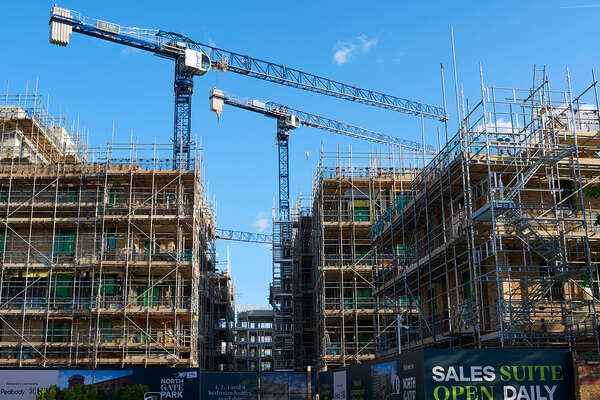
A London council has launched a new policy requiring developers to “fully explore” all options for retrofitting existing buildings before seeking permission for demolition.


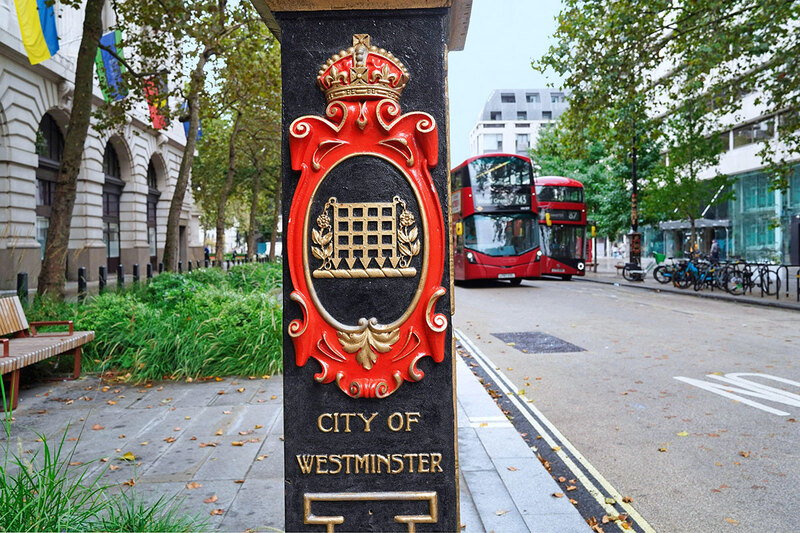 London council unveils retrofit first policy for developers and new rules to boost social rent #UKhousing
Westminster City Council’s new ‘retrofit first’ policy has been designed to prioritise upgrading existing buildings over demolition to reduce embodied carbon, the emissions associated with the entire life cycle of building materials.
The local authority said its policy, which has been in development since 2022, will put it at the “forefront of local government action on climate change”. Given not all buildings can be retrofitted, the council said it will take a “retrofit-first, not retrofit-only approach”.
The new sustainability measures are a central plank of the council’s City Plan Partial Review, which also introduces tougher planning requirements to deliver “genuinely affordable” homes.
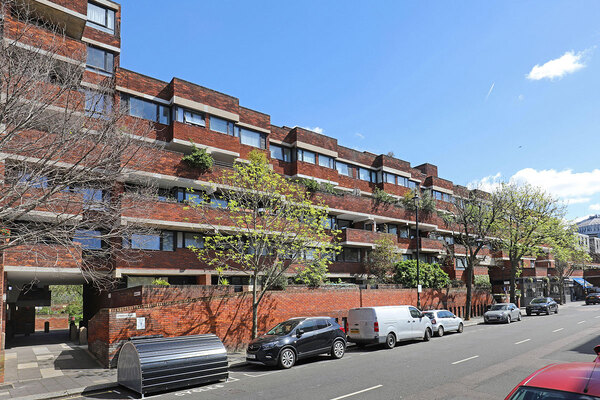
The council will now require the affordable housing split in new developments to shift from 40% to 70% social rent, and from 60% to 30% intermediate homes.
For the first time, sites proposing fewer than 10 homes will also be required to contribute to affordable housing delivery.
Read more



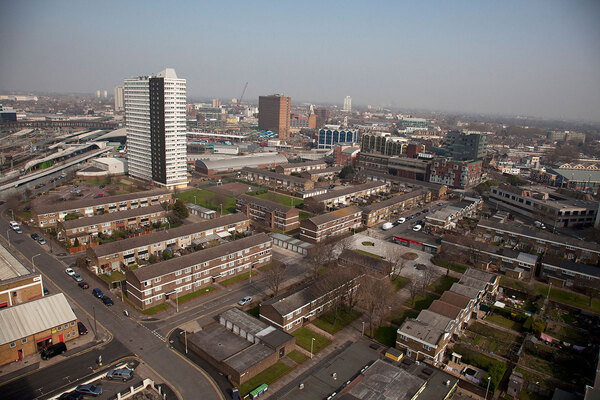
The review also identifies four strategic sites with significant potential for mixed-use development: St Mary’s Hospital, Westbourne Park Bus Garage, Grosvenor Sidings and land adjacent to Royal Oak.
Geoff Barraclough, the council’s cabinet member for planning and economic development, said: “The City Plan Partial Review focuses our efforts on the most important challenges facing Westminster: tackling the climate crisis and delivering more genuinely affordable homes.
“Our Retrofit First policy sets a new benchmark for local authorities. It will help reduce carbon emissions from today’s buildings and has the potential to be the biggest single emissions-reduction initiative undertaken by any council in the country.
“We are also strengthening our commitment to affordable housing by increasing the proportion of social rent homes in new developments and ensuring smaller sites also play their part.
“Taken together, these policies create a roadmap to a fairer, healthier and more welcoming Westminster – one that works for today’s residents and for generations to come.”
The local authority said the new retrofit policy has been designed to tackle climate change, arguing that the built environment accounts for 90% of Westminster’s total CO2 emissions, compared with around 40% for a typical local authority.
In the first half of 2025, the council’s sustainability team tracked the carbon performance of 19 schemes which went through planning, and achieved a 24% reduction in construction-related carbon emissions compared to 2023.
This equals 27,500 tonnes of CO2 saved, the same as the annual energy usage of nearly 3,700 homes, the council said.
Westminster City Council adopted its City Plan 2040 in April 2021, and a year later took the decision to review certain elements including affordable housing, retrofit and site allocations.
The formal adoption of the new plan is expected to take place at the end of January.
Last year, the council appointed architect Archio to deliver a place-based retrofit to homes in the Queen’s Park Conservation Area, north-west London.
Sign up to Inside Housing’s Council Focus newsletter
Sign up to Inside Housing’s weekly Council Focus newsletter, featuring the latest affordable housing news focused on local authorities delivered to your inbox.
Click here to register and receive the Council Focus newsletter straight to your inbox.
And subscribe to Inside Housing by clicking here.
Already have an account? Click here to manage your newsletters.
Related stories