You are viewing 1 of your 1 free articles
Lords call for national leadership on new towns as planning capacity deemed ‘critical risk’
The government should bring in national leadership to oversee new towns, including an independent body and cabinet-level minister, peers have said.


 Lords call for national leadership on new towns as planning capacity deemed ‘critical risk’ #UKhousingThe government should bring in national leadership to oversee new towns, including an independent body and cabinet-level minister, peers have said #UKhousing
The House of Lords Built Environment Committee also warned that local planning capacity is a “critical risk” to delivery of the schemes that aim to build towns or expanded settlements of at least 10,000 homes.
The cross-party group set out a raft of further recommendations in a report on its second inquiry into the project.
It comes days after the government whittled down its shortlist for new towns from 12 to seven and opened a public consultation on the proposals.
Last year, the committee raised concerns over how new towns will be funded and claimed the programme lacks a “clear, engaging vision”.
Read more


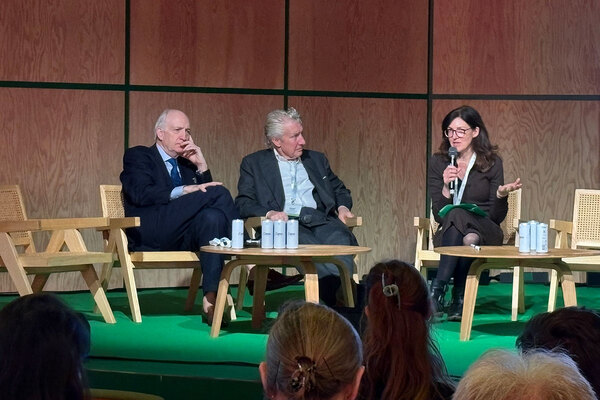
Lord Gascoigne, chair of the Built Environment Committee, reiterated this as he stated: “The new towns programme needs a compelling national vision.
“There has to be strong national leadership, clear co-ordination across government, all supporting delivery on the ground at the local level to create sustainable, flourishing communities for the decades ahead.”
He stressed that new towns must go “beyond just meeting housing numbers”, meaning the developments must be accessible, age-friendly and safe.
Lord Gascoigne added: “Now that the government has set out the locations of seven new towns that will be considered and confirmed the launch of the National Housing Bank, it needs to tell the country how it is going to deliver these new places.”
The committee’s report highlighted evidence it had heard on developments in East Hemel and Poundbury, which it said showed “the critical importance of clear lines of ownership, accountability and vision”.
It called for more oversight of new towns, despite arguments from housing secretary Steve Reed that the programme should be open to input from local communities and the government should not constrain creativity.
Mr Reed also told peers that new towns are a priority for the prime minister and a dedicated unit will work closely with Homes England on delivery, including ensuring different departments work together.
He denied the need for a new body to replicate the role of the mid-20th century Commission for the New Towns, which the Lords group has continued to call for.
On planning, the inquiry heard how the system makes having a strategic overview of a project difficult due to the number of agencies and bureaucracies involved.
The committee cited evidence that expectations for high design standards are reduced by limited resources at councils, although it noted the government has set up a £48m government fund for skills for planners.
In his evidence, Mr Reed acknowledged the system’s complexity and said the government’s planning reforms would help speed it up.
But the report’s summary stated that planning capacity is a “critical risk”.
The committee said: “Delivering any new towns at all while local planning capacity is so constrained will be an enormous challenge; delivering high-quality, sustainable and thriving communities of the kind we call for in this report will be almost impossible under such constraints.
“This is an issue we have raised repeatedly in recent inquiries, and it remains a fundamental concern in terms of creating communities in the new towns.”
The Lords committee also said that there needs to be enough upfront funding for local services and environmental amenities for new towns and that these should be in place before people move in.
It recommended at least one intergenerational housing pilot in the programme, accessibility champions for each town and a youth engagement strategy for each stage of development.
Peers also said the eventual developments must avoid looking the same by using the local landscape and heritage to create distinct identities.
Sign up to Inside Housing’s Development and Finance newsletter
Sign up to Inside Housing’s weekly Development and Finance newsletter, featuring a round-up of business, development and regeneration news and analysis.
Already have an account? Click here to manage your newsletters.
Related stories