You are viewing 1 of your 1 free articles
More than 1.4 million homes left unbuilt since 2007, report finds
Developers have left more than 1.4 million homes unbuilt since 2007 despite securing planning permission for them, new research has revealed.


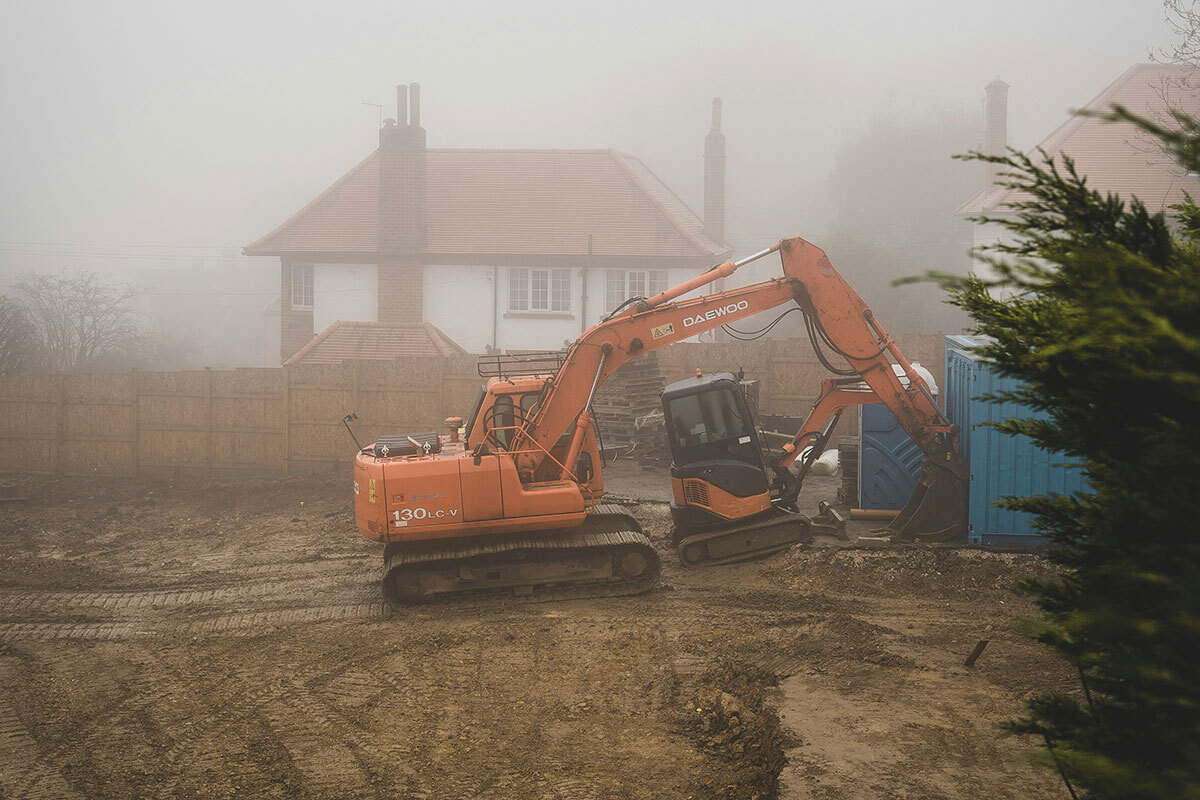 More than 1.4 million homes left unbuilt since 2007, report finds #UKhousing
A new report from the Institute for Public Policy Research (IPPR) highlights a raft of non-planning-related barriers to housing delivery and said Labour’s bid to rip up the red tape in planning is the “wrong approach”.
Prime minister Sir Keir Starmer has previously pledged to overhaul Britain’s “ruinous” planning system to avoid housing and infrastructure being “held to ransom” by nimbys and environmentalists.
The IPPR has claimed instead that housebuilding is often sluggish because developers want to increase the land’s value before selling it on and practise landbanking to slow building rates and maintain high house prices.
Read more
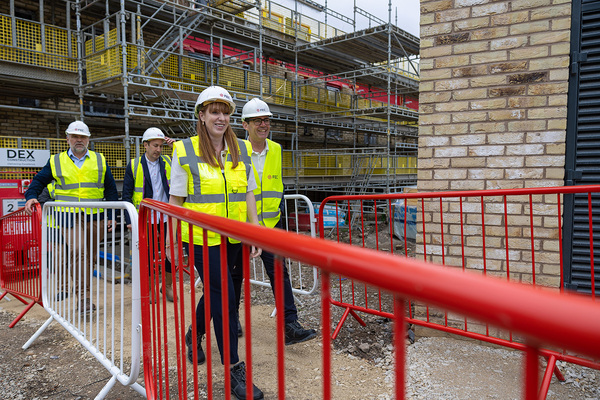


The IPPR believes the government will need to “tackle unproductive land speculation and ramp up strategic planning capability if it wants to meet its housebuilding targets”.
Maya Singer Hobbs, senior research fellow at IPPR, said: “This is not about pitting nimbys against yimbys, it is about ensuring the government achieves its ambitious targets whilst also maintaining local support and high quality.”
To achieve this goal, the government should explore new laws to “force developers to build within a certain timeframe of securing planning permission, or face sanctions” and create a new Cabinet Office team to produce a national spatial strategy for land use.
The IPPR also cited a failure to link up vital infrastructure projects as a reason for the slowdown in delivery.
Ms Hobbs said: “Many of the blockers to housing and infrastructure delivery are not planning related. Reasons include water shortages, private developers slowing delivery to maintain profits, and a lack of strategic oversight of large infrastructure projects.
“Years of deregulation and cuts to organisations like the Environment Agency means the planning system now operates as the last bastion of defence against bad design, nature degradation, pollution and over-extraction of our waterways.”
The government should “commit to reforming land value capture agreements, including Section 106 agreements, Infrastructure Levy calculations and viability negotiations”, the report suggested.
Adam Hug, housing spokesperson for the Local Government Association (LGA), said the report highlighted “one of the key issues the LGA has long called for government action on – the need to tackle slow build-out rates from some developers”.
“Councils approve nine in 10 planning applications, but people cannot and do not live in planning permissions,” Mr Hug said.
“Councils must be given greater powers to ensure prompt build-out of sites with planning permission.”
The report also called for mayors to be funded to carry out land assembly and make full use of the mayoral levy to capture the uplift in land value.
Metro mayors were recently handed greater control of planning under housing secretary Angela Rayner’s reforms.
Sign up for our development and finance newsletter
Already have an account? Click here to manage your newsletters
Related stories