You are viewing 1 of your 1 free articles
MPs told of 84% and 77% rises in temporary accommodation and out-of-area placements in a decade
MPs have heard how a decades-long 84% increase in households in temporary accommodation and 77% increase in out-of-area placements are placing additional pressure on local authorities.


 MPs have heard how a decades-long 84% increase in households in temporary accommodation and 77% increase in out-of-area placements are placing additional pressure on local authorities #UKhousing
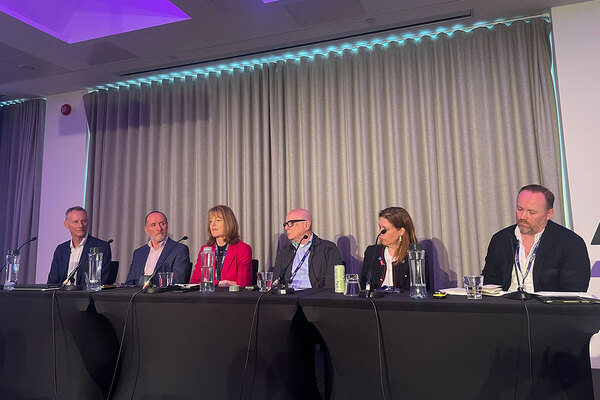
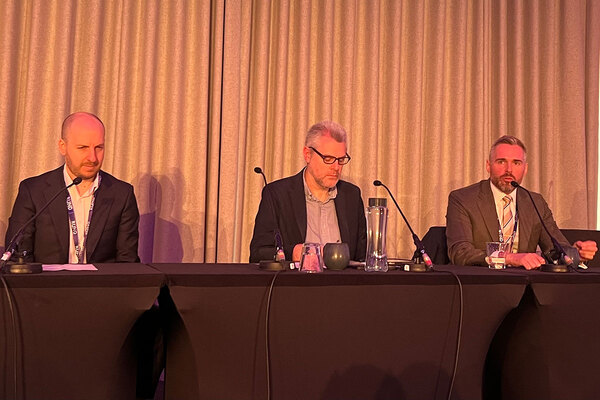
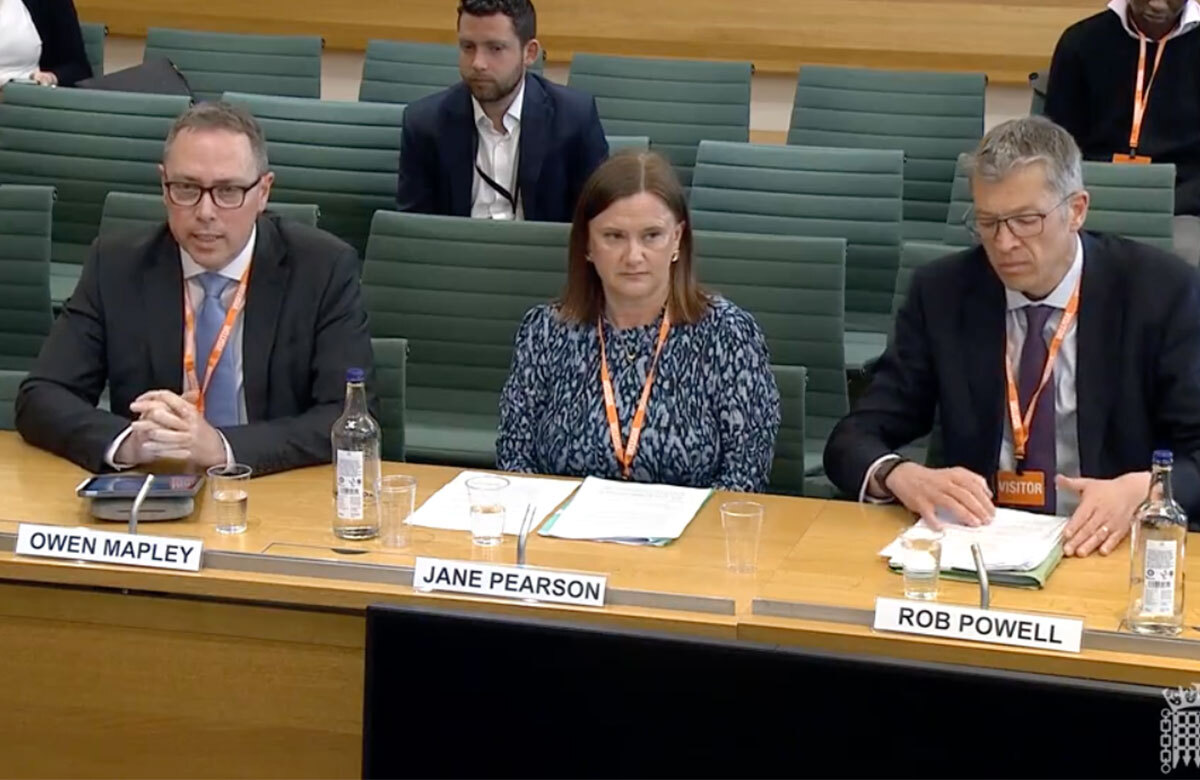
On Tuesday, the Housing, Communities and Local Government Committee held the third of four evidence sessions into its inquiry on the funding and sustainability of local government finance.
Witnesses included the National Audit Office (NAO), Chartered Institute of Public Finance and Accountancy (CIPFA) and local councils.
A director at the NAO said there had been an 84% increase in households in temporary accommodation since 2015-16, and a 77% increase in out-of-area placements in the same period.
Vicky Davis, director of local government value for money at the NAO, said demand on council services “has gone up significantly”.
She said: “To give a couple of examples in terms of the demand rising, we started with 2015-16 as the baseline year, and we compared it to 2023-24 as the latest year that we had available, and we found there was an 84% increase in households in temporary accommodation. That’s 84% over that time.”
Inside Housing revealed this week that Capital Letters, the company set up by a group of London boroughs to address homelessness and reduce spending on temporary accommodation, is at risk of closure.
In addition to rising homelessness costs, Ms Davis said the NAO had found a 140% increase in education, health and care plans, and a 15% increase in children looked, after since 2015-16.
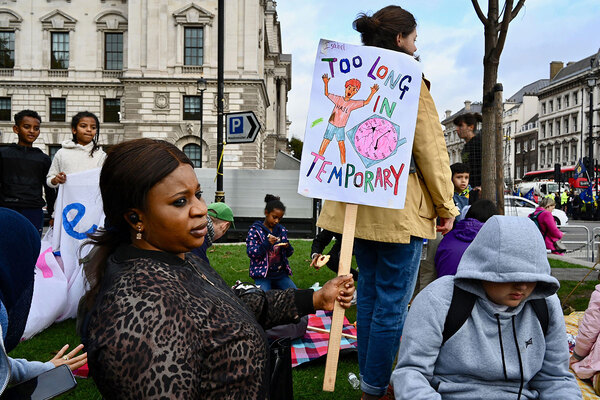
She also pointed out that, during the same time period, there had been a 77% increase in families being moved “out of their home area” into temporary accommodation.
“In recent years, homelessness and special educational needs demand [have] grown, adding to and layering on top of those demand pressures already coming through from social care,” she said.
The inquiry also heard that the Exceptional Financial Support (EFS) process, which has existed since 2020 and enables councils to take out loans to pay for day-to-day services, was becoming “the norm” rather than the “exception”.
A total of 42 local authorities have so far received EFS. A record 30 applied for support in February for 2025-26, with a total of up to £1.5bn set to be borrowed.
Gareth Davies, comptroller and auditor general of the NAO, said: “Deficits are building up on the balance sheets of local authorities, because they have no choice but to provide services, but have run out of the resources to do that.”
Owen Mapley, chief executive of CIPFA, told the inquiry that, on average, housing authorities were spending 9% of their budgets on homelessness.
He said: “The facts now speak for themselves… the average is now 80% of council budget is spent on these core services of adult and children’s social care. In housing authorities, an average of 9% of their budget is on homelessness spend.”
When asked if there should be a better early warning system for local authorities facing financial uncertainty, Mr Mapley added: “We’ve got 30 local councils asking for Exceptional Financial Support. The canary in the coal mine isn’t singing, it’s lying on its back gasping for breath.”

Related stories