You are viewing 1 of your 1 free articles
National network of home improvement hubs could save government £16m, research finds
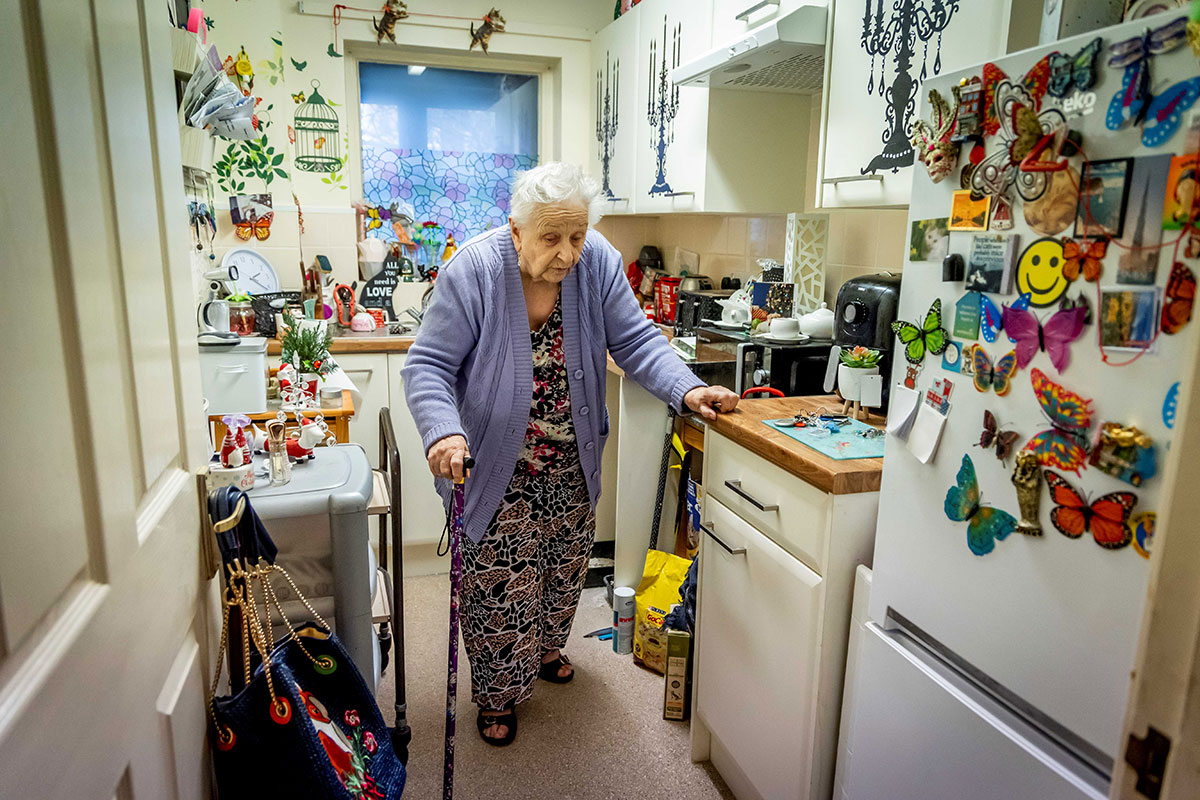
A national network of ‘one-stop shops’ assisting people with home improvements could deliver an annual net gain to the government of £16m, new research has found.


 National network of home improvement hubs could save government £16m, research finds #UKhousing
 The research, from the Centre for Ageing Better and cross party thinktank Demos, found that the ‘good home hubs’ would help health services by reducing hospital admissions and delayed discharges, raise health outcomes and help tackle fuel poverty.
It would also support people with support needs, boost the economy by creating jobs and supporting local businesses, develop a pipeline of skilled workers, and lower household carbon emissions.
The hubs would provide support on all aspects of home improvement, including energy efficiency and retrofit upgrades, accessibility changes, minor adaptations and handyperson repairs.
The research found that two in five UK households – 11.6 million – need home improvements but face barriers to delivering them.
This includes one in eight UK households with a high need, enduring a daily inconvenience because of improvements not carried out on their homes.
Read more


Although many local authorities do offer this service already, the research found that the range of services on offer varies significantly and “leaves residents at the mercy of a postcode lottery”.
It estimated that a comprehensive home improvement service would cost a local authority around £1.6m on average.
To support its model for a network of good home hubs, the Centre for Ageing Better commissioned two reports.
The Better Homes, Better Lives: The role of home improvement services in boosting the nation’s health and wellbeing report was delivered by a consortium of experts led by the Centre for Regional Economic and Social Research at Sheffield Hallam University.
The report, which assessed existing home improvement services across the country, found that the average cost of adaptations to prevent falls in the home is £1,600, and the cost savings of a prevented fall are £7,050 for the NHS and £29,140 for society.
It also found that the estimated cost saving to the NHS from an early hospital discharge due to support from home improvement services is £2,690 per hospital discharge, achieved by cutting the average number of bed days by 40% from 15 to nine.
The research concluded that addressing excess cold in homes delivers a return on investment of £10.12 in societal benefits for every £1 spent.
The analysis also detailed how residents who had access to home improvement services reported significant benefits including enhanced independence, improved safety and better mental well-being.
However, the research also found that fewer than three in four (69%) of the home improvement services surveyed provided hospital discharge support.
It found that only three in five provided cold home or energy efficiency initiatives, just over half provided a handyperson service and around two in five provided home improvement information and advice.
Fewer than one in three provided loans to low-income homeowners.
A second report – Implementing Good Home Hubs: The demand, costs, finance and delivery, by Demos – assessed how the hubs could be implemented nationwide.
The analysis suggested that, if delivered across the UK, the hubs would support 390,000 to 550,000 households each year to fix their homes.
The report also found that the hubs would bring significant savings for councils across their current home improvement services, while also unlocking revenue from residents “who are happy to pay to improve their homes but currently feel unable to do so”.
The report includes a range of barriers that prevent people from making the improvements their homes need, including difficulties finding trusted information, advice and support, access to finance and trusted tradespeople – as well as a lack of perceived ‘pay-off’ for investing in their homes.
The Centre for Ageing Better is calling on the UK government to develop a national strategy to fix cold and dangerous homes.
The charity said it wants the government to back up the strategy with “sufficient, long-term funding”.
It is also calling for housing quality to be treated as a key determinant of health as part of the NHS’s long-term planning and dedicated funding for proactive housing interventions, including retrofitting homes and preventing hazards such as falls.
Dr Carole Easton, chief executive of the Centre for Ageing Better, said: “The quality of our homes is such a significant factor in the quality of our later life.
“It is a national scandal that millions of people, including a disproportionately high number of older people, are becoming sick because of their damp, cold, hazardous homes and thousands are dying.
“Much of this could be resolved with adequately funded, comprehensive support for people to maintain, repair and adapt their homes across the country.”
The charity said housing should be made a statutory component of integrated care systems, “ensuring that local health, housing, and social care teams work toward shared goals”.
It called for grants and financial assistance for vulnerable households to be expanded and streamlined to reduce barriers to critical home adaptations.
Dr Easton said that creating a network of home improvement support would “transform millions of lives” while also delivering “substantial national and societal benefits” including improved public health, reduced strain on health and social care services, economic growth, and significant progress on climate goals.
“We need action from local and national policymakers to prioritise poor-quality housing as the public health crisis it is and deliver the right solutions to ensure that everyone has a home worthy of the name that is safe, secure, warm and comfortable,” she added.
Dan Goss, senior researcher at Demos, said: “The government’s housebuilding plans are promising, but overlook the millions of dangerous, cold and inadequate homes currently in Britain. If we want good homes for all, we also need to fix what we’ve got.”
He said the “elephant in the room” is often money, but that is “not the case here”.
“Good home hubs would empower residents to fix problems in their home, and the model would pay for itself.
“The hubs would cut costs for councils while expanding the market for home improvements, unlocking extra revenue,” Mr Goss added.
Sign up for our asset management and sustainability newsletter
Already have an account? Click here to manage your newsletters
Related stories