You are viewing 1 of your 1 free articles
New homes to require heat pumps and renewable tech under Future Homes Standard
All new homes will require a heat pump and most must include a form of renewable technology under the new Future Homes Standard.


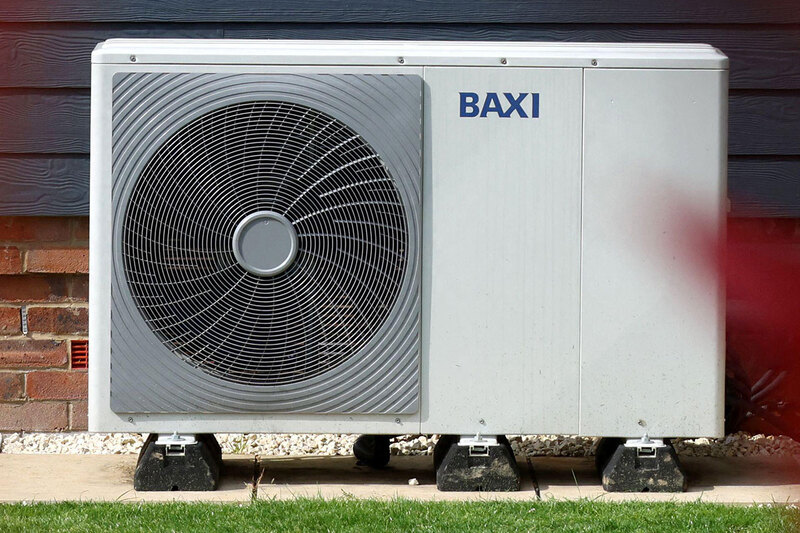 New homes to require heat pumps and renewable tech under Future Homes Standard #UKhousing
New builds will also need to have wastewater heat recovery, better airtightness and decentralised mechanical extract ventilation.
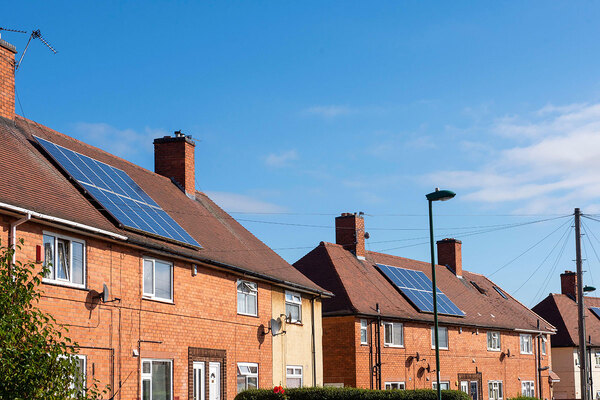
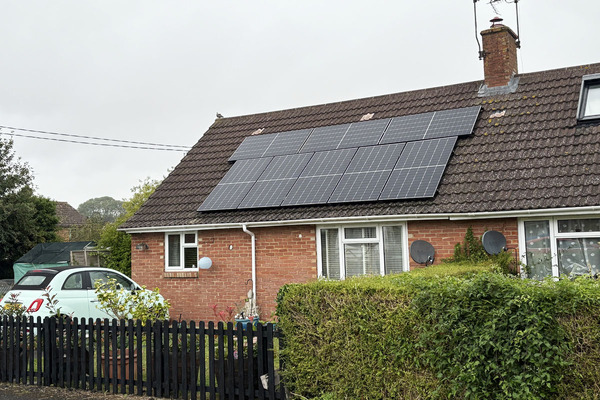
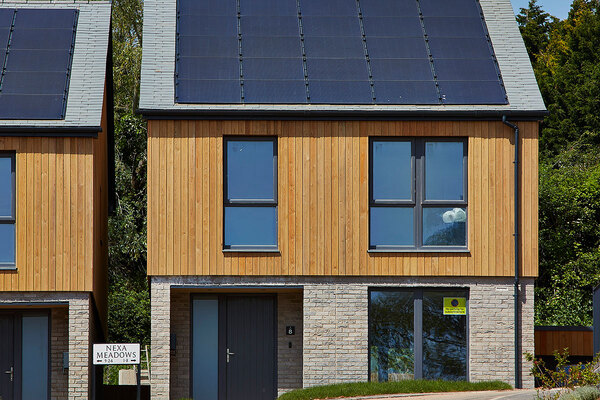
While solar panels are not mandatory, it is expected that most buildings will use these to meet the renewable energy rules.
But high-risk buildings will be exempt from the need for solar, and government guidance will include cases when it is acceptable not to install solar panels, such as where there are issues with roof design or shading.
Details of the Future Homes Standard were published by the government today.
The measures are being brought in through changes to building regulations, which will be in force from March 2027, however there will be a year-long transitional period.
Read more
The government said this means developers have two years before they must start to build homes meeting the new standard – although they have a 12-month deadline to make an application and a year after that to start work.
Taken together, the requirements will mean new homes are zero-carbon by default as they will use less energy and will no longer need to be powered by fossil fuels, the government said.
The standard also includes a new compliant way homes can connect to low-carbon heat networks, guidance on low-carbon heating technologies, upgrades to how building services are commissioned and certified, and clearer information for residents on heating.
The government estimates that people living in new homes could save £830 per year on energy bills and the buildings will emit 75% less carbon than those built to 2013 standards.
Housing secretary Steve Reed said: “As we make the switch to clean, homegrown energy, today’s standard is what the future of housing can and should look like.
“Not only will these changes protect hard-working families from shocks abroad but will also slash hundreds of pounds off their energy bills every year.”
The change came as the government announced that plug-in solar panels, which can be installed on balconies or in outdoor space, will be available in shops in the next few months.
Energy secretary Ed Miliband said: “The Iran war has shown our drive for clean power is essential for our energy security so we can escape the grip of fossil fuel markets we don’t control.
“Whether through solar panels fitted as standard on new homes or making it possible for people to purchase plug-in solar in shops, we are determined to roll out clean power so we can give our country energy sovereignty.”
Greg Jackson, founder and chief executive of Octopus Energy, said the government’s latest steps can help cut the costs of electrification.
He said: “With solar, many homes can produce and use their own electricity, and cut their bills further by selling the excess back to us.”
Ed Lockhart, chief executive of the Future Homes Hub, said: “Today’s announcement sets the timeline for all new homes to meet these higher standards from 2028.
“The Future Homes Hub is facilitating partnership across the whole housing ecosystem including sharing solutions between home builders, housing associations and developers of all sizes to ensure residents feel the full benefits, starting with the Future Homes Standard Ready campaign.”
Richard Cook, chief development officer at Clarion, said: “We welcome the publication of the Future Homes Standard as an important step forward for the sector, providing greater clarity on how we collectively deliver the low-carbon homes the country needs.
“At Latimer [Clarion’s development arm], this is something we have been actively preparing for over a number of years. Today, the majority of the homes we deliver achieve [Energy Performance Certificate] A or B ratings, and over the past year more than 95% of new homes we’ve completed are fossil fuel free.
“We have also worked closely with the Future Homes Hub and industry partners ensuring that we continue to learn and adapt ahead of regulation.”
Sign up to Inside Housing’s Sustainability newsletter
Sign up to Inside Housing’s weekly Sustainability newsletter, featuring our in-depth coverage of the sector’s journey to delivering net zero.
Already have an account? Click here to manage your newsletters.
Related stories