You are viewing 1 of your 1 free articles
Funding model for Northern Irish landlords should incentivise the reuse of existing buildings, architecture body says
Landlords in Northern Ireland should operate within a funding model that incentives the reuse of existing buildings, a major architecture body has said.


 Funding model for Northern Irish landlords should incentivise the reuse of existing buildings, architecture body says #UKhousing
The comment was made in response to the Dilapidation Bill, which is currently at the committee stage in the Northern Ireland Assembly.
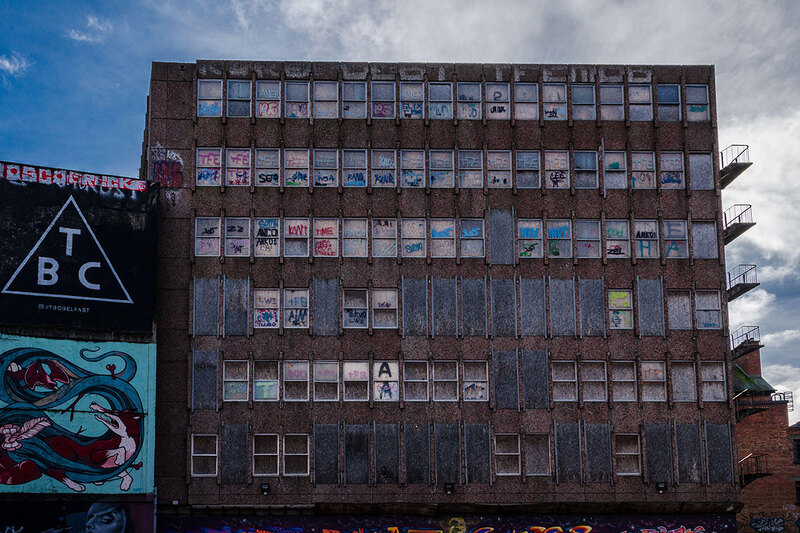
The bill aims to provide district councils with a new and consistent enforcement regime to deal with the negative impact of dilapidated and dangerous buildings, and neglected sites.
Its successful implementation would bring the nation in line with the powers already available to enforcement bodies in the rest of the UK.
Read more



Ciarán Fox, director of the Royal Society of Ulster Architects, said: “We welcome the progress of the Dilapidation Bill.
“Local councils need to have the power to take decisive action when a building owner is failing in their duty to keep their building in good order. We have suggested that some elements of the bill could be clarified and that the enforcement side could be beefed up.
“But we recognise that to address dereliction in our cities, town and villages this bill must only be one strand of a co-ordinated drive across government departments. We need changes to the rating system, regeneration grant support and housing associations need a funding model which incentives them to reuse existing buildings.
“There are a lot of factors to make this work and we are calling on councils and government to appoint city and council architects, as is common across Europe, to help pull all of the elements together to help address the housing shortage, meet climate commitments and boost the economy.”
The Department for Communities’ Ministerial Advisory Group for Architecture and the Built Environment explained in its response to the bill that the “detriment to local amenity” it describes should include the living conditions of nearby residents.
This would include their privacy, peace and quiet, and access to daylight and sunlight. It would also include the appearance and design of a place, and the effect on features such as habitat, trees, air quality and open spaces.
The Royal Town Planning Institute Northern Ireland (RTPI NI) also raised concerns about capacity and expertise at councils.
It said: “Whilst changes to outdated legislation are welcome, appropriate training and resourcing of council officers will be required.
“RTPI NI recommends that defective premises powers should come under the responsibility of building control officers, as is the case in England and Wales, rather than planners. Such action requires structural assessments which planners are not qualified to give.”
Sign up for our Northern Ireland bulletin

Already have an account? Click here to manage your newsletters
Related stories