NHG residents win £550,000 in compensation in cladding remediation case
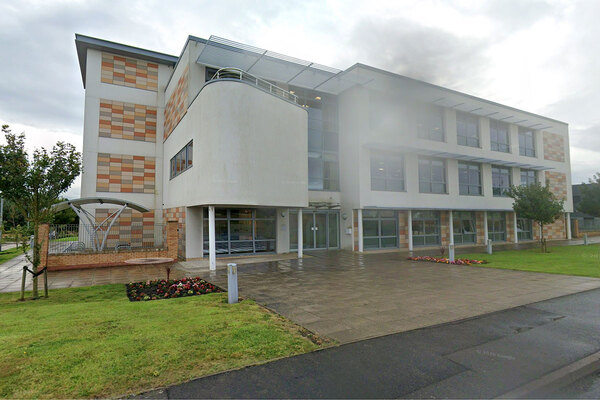
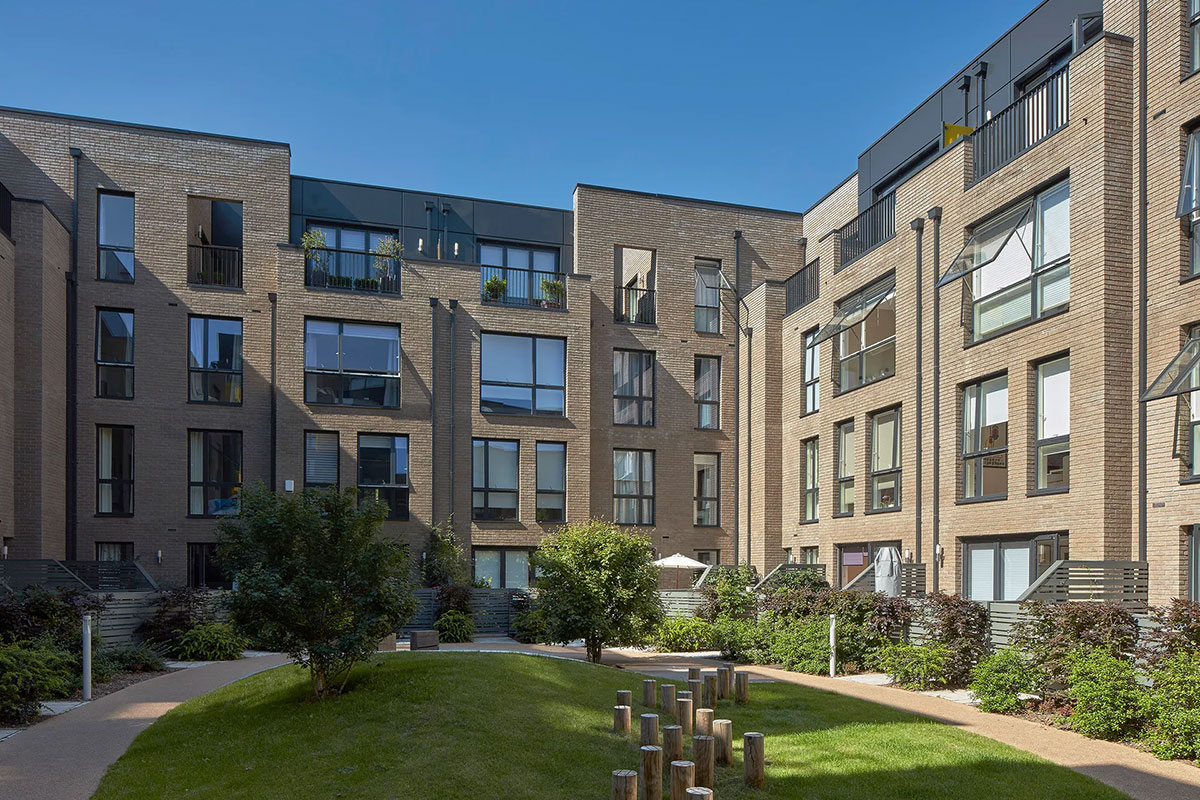
Residents of a Notting Hill Genesis (NHG) development in south London have won £550,000 in compensation after the blocks were found to have a number of fire safety defects.


 Residents of a Notting Hill Genesis development in south London have won £550,000 in compensation after the blocks were found to have a number of fire safety defects #UKhousing
The Exchange development was built by the housing association and construction and property services company United Living. Completed in 2014, it is a mix of social housing residents, private tenants and shared owners.
However, following the Grenfell Tower fire in 2017, it was found to be one of thousands of developments with similar building safety issues.
This settlement comes after the spending watchdog called on the government to set milestones for cladding remediation. It said all works will not be complete until at least 2035 and will cost £16.6bn.
Read more

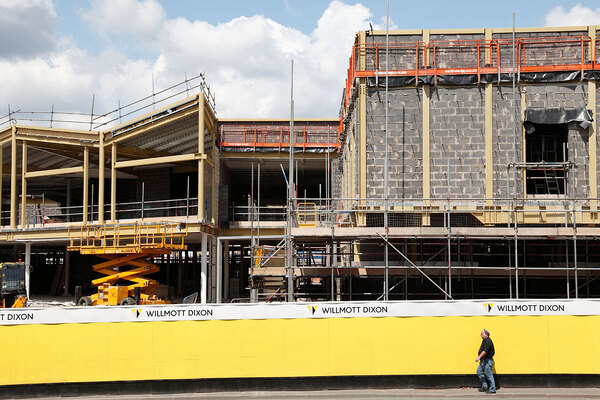
In this case, residents began a legal process in 2020 to ensure work to make the buildings safe was carried out, and that they would not have to foot the bill.
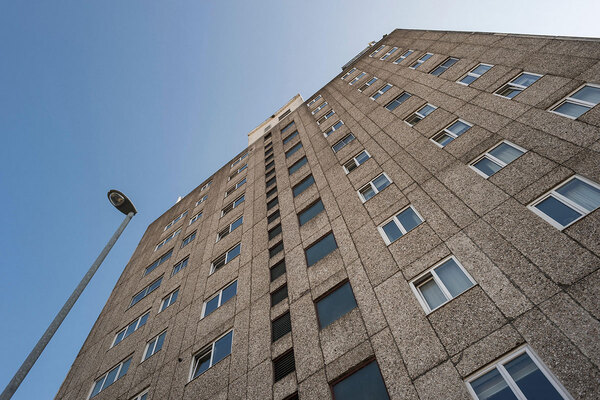
Consisting of five multi-storey residential and mixed-use buildings, the development in Bermondsey was found to have fire safety defects, including aluminium composite material (usually used for cladding), combustible insulation and inadequate cavity barriers.
NHG and United Living have completed large-scale works at their own cost to remedy the fire safety defects.
The residents had sought compensation for costs, including court and expert fees, related to having to live in unsafe homes and the inconvenience caused by the building works. The money will go to 76 leaseholders and independent freeholders. The terms of the agreement mean that none of the works or legal costs can be passed on to any future leaseholders or residents.
An NHG spokesperson said: “We are pleased to have reached a resolution on this case, having overseen the required building safety work at the Exchange.
“We have since carried out satisfactory Fire Risk Assessments for External Walls on all the buildings.
“Our duty is to ensure the safety of our buildings and residents, and this is always our top priority. Our publicly stated policy is that we do not recharge leaseholders for the costs of remediation work to external walls or balconies where they have been deemed to pose a risk of spreading fire.”
United Living was also approached for comment. A number of residents, who spoke to the Guardian newspaper, said they hoped it would set a precedent for other residents who find themselves in a similar situation.
Christian Hansen, a partner at Bindmans law firm, who acted for the claimants on a no-win, no-fee basis, said: “What we’ve seen is that a lot of constructors are basically dragging their feet. They’re not keen to do as many works as they should and they’re fighting these cases.
“I can only hope that settlements like this will be a bit of a wake-up call to them that, actually, they should be settling these things sooner than they are.”
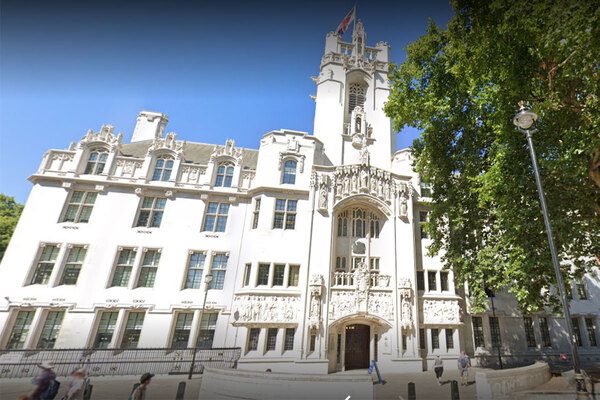
Last month, a Supreme Court judgment ruled that developers can pursue third-party contractors for the cost of building safety remediation work.
Ahead of the seven-year anniversary of the Grenfell fire last year, Inside Housing investigated why progress on remediating the thousands of buildings that still need work has been moving at such a glacial pace.
The Public Accounts Committee concluded earlier this year that the government was not taking the potential impact of its cladding remediation plans on housebuilding targets seriously enough.
Despite this concern, the latest government figures show the number of social housing blocks that have unsafe cladding and no clear remediation plan in place has fallen from 596 to 500.
Sign up for our fire safety newsletter
Already have an account? Click here to manage your newsletters
Related stories