You are viewing 1 of your 1 free articles
Northern Ireland’s draft multi-year Budget must go further to address housing crisis, CIH says
Northern Ireland’s first multi-year Budget in over a decade “does not go far enough” to address the country’s housing crisis, according to the Chartered Institute of Housing (CIH).


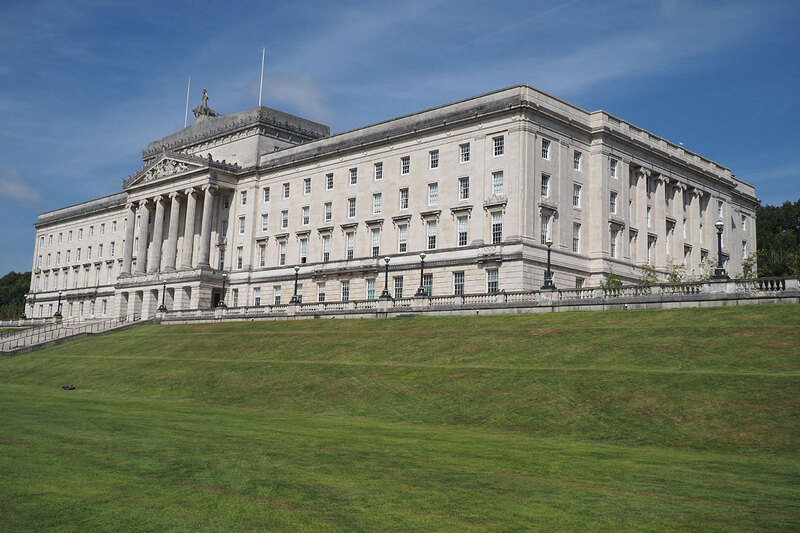 Northern Ireland’s draft multi-year Budget must go further to address housing crisis, CIH says #UKhousing
The draft Budget, which is out for consultation until early March, covers the period from 2026 to 2029-30.
It proposes that capital spending for the Department for Communities will be just under £295m in 2026-27, rising to £404m in 2029-30.
Social housing is one of the areas recommended by the government for “earmarked allocations” of capital funding, totalling £441.7m over the four years.
Part of this earmarked funding comes from the government’s Reinvestment and Reform Initiative (RRI), which will be borrowed in the full amount and used for “strategic purposes”, including social housing, along with Northern Ireland Water and the Schools’ Estate.
Read more
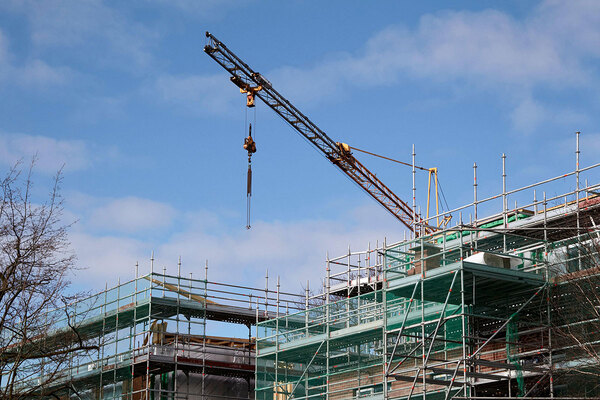

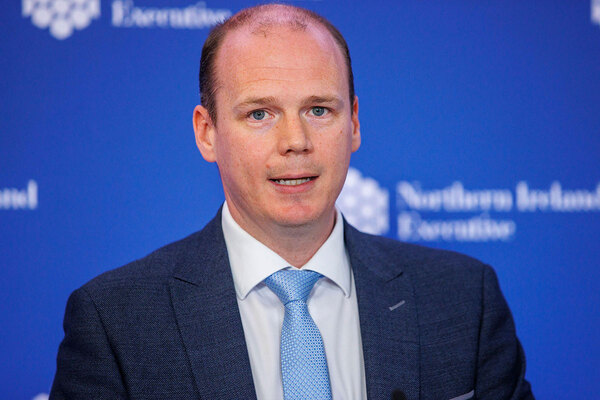
This funding for water infrastructure and social homes will “help unlock capacity and enable the construction of new homes, businesses and invest in building new social housing”, finance minister John O’Dowd said.
In a ministerial statement, he said that the “ongoing underinvestment in public services” by the British government means that both resource and capital departmental spending limits “remain extremely constrained”.
“The proposals I am consulting on do not provide the level of funding I would wish to see directed to our public services; instead, they reflect what is possible within the funding available,” he continued.
But Mr O’Dowd highlighted the benefits of agreeing a multi-year Budget – the Executive’s first since the 2011 to 2015 period – which he said would “provide departments with the certainty they need to plan for the longer term”.
He added: “By moving beyond short-term cycles, we can enable strategic investment that delivers lasting benefits for our economy, our environment and our society.
“Setting a multi-year Budget is one of the biggest decisions we will take during this Assembly mandate. Getting this right is essential.”
CIH Northern Ireland said the budget proposals “recognise the strategic importance of housing” with a “welcome increase earmarked” for the Department for Communities’ capital spending.
“This funding should focus on delivering high-quality, sustainable housing that meets the needs of diverse communities across Northern Ireland and effectively tackles the housing crisis,” the membership body added.
In its response to the consultation, CIH acknowledged that the Executive is “operating within a difficult fiscal environment”, but stressed that the delivery of safe, sustainable and affordable housing “can be achieved through innovation and targeted financial support”.
On the draft Budget’s proposed capital spending allocation for the Department for Communities, CIH said: “While this trajectory provides a welcome recognition of social housing as vital infrastructure, it will likely fall short of the true scale of need in the face of persistent construction cost inflation.”
CIH urged the Executive to “review capital funding, streamline planning processes and invest in vital infrastructure”.
The membership body also called for the budget to ringfence funding for the introduction of a statutory duty to prevent homelessness, since prevention is “more cost-effective than responding”.
“While we welcome the additional capital funding in this draft Budget to address the need for social housing infrastructure, it will not meet the levels of need in Northern Ireland or fully alleviate the ongoing pressure on homeless services,” the consultation response said.
CIH also called for specific provision in the Budget for retrofitting older homes, and repeated its call for a progressive infrastructure levy to help provide a long-term solution to Northern Ireland’s wastewater infrastructure problems.
The consultation response continued: “The draft Budget recognises the strategic importance of housing and provides a welcome increase in capital funding for the Department for Communities.
“However, we believe this draft Budget does not go far enough, leaving gaps in much-needed funding requirements and missing opportunities to create long-term and sustainable solutions to the housing crisis.”
Sign up to Inside Housing’s Northern Ireland newsletter
Sign up to Inside Housing’s Northern Ireland newsletter, a fortnightly round-up of all the key news and insight affecting the Northern Irish affordable housing sector.
Already have an account? Click here to manage your newsletters.
Related stories