You are viewing 1 of your 1 free articles
One in four Scottish adults affected by housing emergency, research finds
Just over four in 10 adults in Scotland are now directly impacted by the national housing emergency, according to new research from Shelter Scotland.


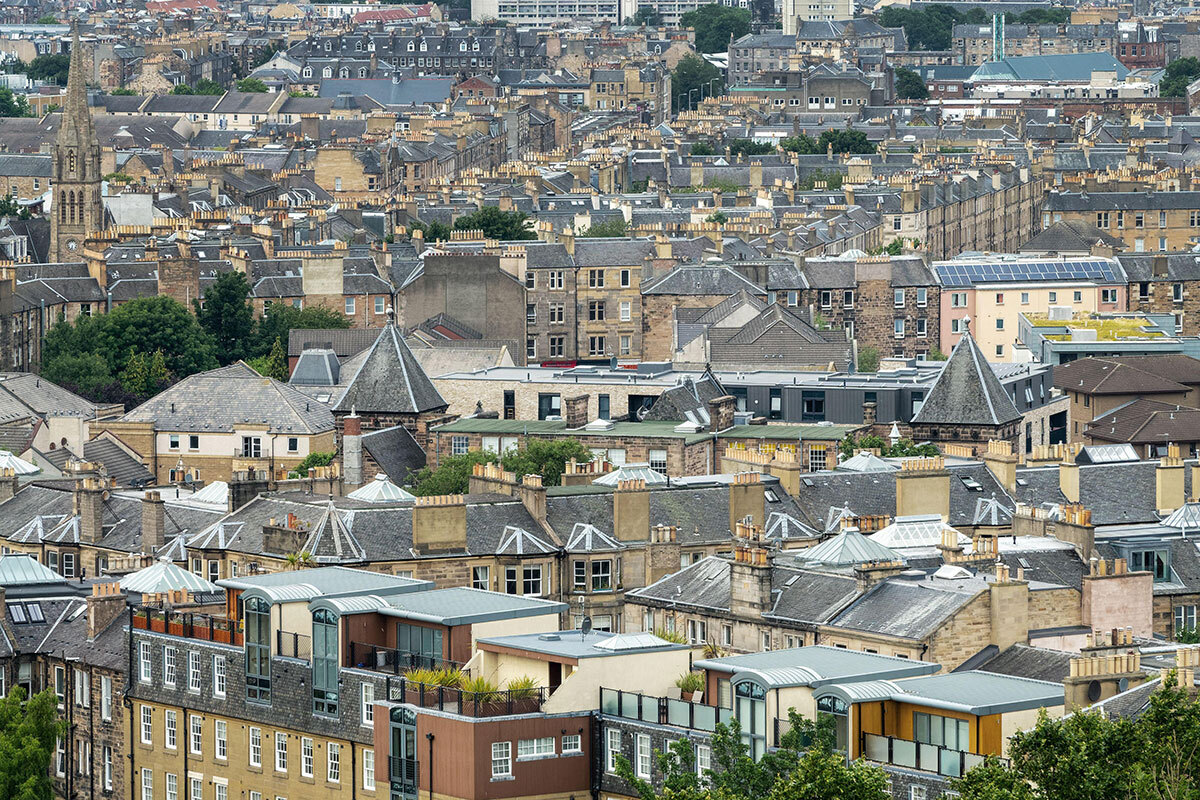 New research from Shelter Scotland has found that 42% of adults in the country are directly impacted by the national housing emergency #UKhousing
A survey by YouGov on behalf of the charity found 2.3 million Scottish adults (42% of the population) are struggling with the condition, security, suitability or affordability of their home, or have faced discrimination while trying to find housing.
The figures mark a rise of six percentage points – 800,000 people – since 2021.
“Today’s research reveals the harsh toll Scotland’s housing emergency has taken over the last four years – and it’s only getting worse,” Alison Watson, director of Shelter Scotland, said.
Shelter’s new findings come a year after the Scottish government declared a housing emergency, following in the footsteps of a number of local authorities.
Read more

“Since then, homelessness has gone up and social housebuilding has gone down,” Ms Watson said.
“Last week, the Scottish government announced a Programme for Government with no plan to end the housing emergency. Instead, we had a programme for homelessness which says nothing about the 10,360 children trapped in temporary accommodation, which experts say exposes them to violence, vermin and isolation. This simply cannot continue into the next government,” she added.
Shelter’s survey had 2,047 respondents. They were asked questions about overcrowding, issues with damp, mould or cold, safety hazards, financial housing insecurity and discrimination.
The Scottish Federation of Housing Associations (SFHA) released a policy paper, Maintaining Tenancies and Preventing Homelessness, focused on the need to support tenants to stay in social homes.
With Scottish parliamentary elections due in 12 months, the SFHA called on the next government to provide “long-term tenancy sustainment support” to housing associations, set up a new “last resort” grant fund and review funding for housing support.
In the context of “the growing complexity of tenants’ needs, particularly in relation to mental health support”, the SFHA also said the government must provide “robust and properly funded mental health services”.
Annabel Pidgeon, policy lead at the SFHA, said: “Scotland’s housing and homelessness emergency demands clarity and joined-up action between our sector and the Scottish government.”
She said the new report “provides policymakers with a snapshot of the challenges” and the measures housing associations need to help people “remain in their homes, avoid homelessness and thrive”.
Ms Pidgeon added: “If we want to prevent homelessness rather than just respond to it, we must prioritise support services and give our housing sector the confidence to meet diverse needs and plan for the future.”
In a statement, the Scottish government said a range of measures had been undertaken to boost investment in housebuilding and reduce the number of people in temporary accommodation since the housing emergency was declared.
It said actions over this financial year include investing £768m to support the delivery of 8,000 homes for social and mid-market rent, providing local authorities with a £15bn funding settlement, and spending £2m on reducing empty homes.
Shirley-Anne Somerville, secretary for social justice in the Scottish cabinet, said: “As a result of our actions, an estimated more than 2,600 households with children have been helped into affordable housing in the year up to December 2024. It is encouraging that we are seeing a reduction in families in temporary accommodation in some local authority areas.
“However, we know there is more to do, which is why we have increased the affordable housing budget for this financial year. In the longer term, we will also introduce homelessness prevention measures and a system of long-term rent controls in our Housing Bill.
“We are determined to tackle the housing emergency and ensure that everyone in Scotland can have somewhere to call home,” she said.

Related stories