ao link

You are viewing 1 of your 1 free articles

Post-rent settlement borrowing capacity could be ‘wiped out’ by war in Iran, economist warns

A predicted fall in housing sector borrowing costs after the 10-year rent settlement appears to have been counteracted by a surge in gilt rates following the Iran war, according to a senior economist.


Linked InTwitterFacebookeCard
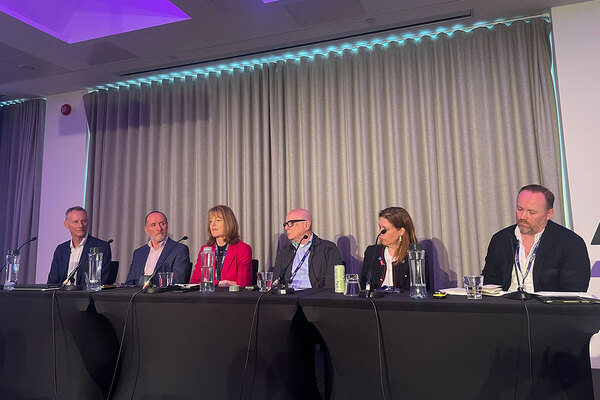
A man speaking at a housing festival
Phillip Bartlett, a senior economist at NatWest, speaks to delegates at the CIH’s Northern Housing Festival 2026 (picture: Ellie Brown)
Sharelines

LinkedIn IHPost-rent settlement borrowing capacity could be ‘wiped out’ by war in Iran, economist warns #UKhousing

Phillip Bartlett of NatWest said this morning that the yield on 10-year gilts, the government’s borrowing costs, has risen by half a percentage point to 4.8% in the last fortnight.

“Now that’s a level we’ve not sustained since the global financial crisis of 2008 right?” he asked delegates at the Chartered Institute of Housing (CIH)’s Northern Housing Festival.

“That is also incidentally equal to the amount that estimates suggest housing association borrowing costs could reduce by as a result of the 10-year rental settlement and the added certainty that that brings.”

He suggested it meant that the policy’s impact had been “wiped out”.


Read more

Fitch forecasts improved sector finances but London landlords will take longer to recoverFitch forecasts improved sector finances but London landlords will take longer to recover
Iran war could drive construction and energy price rises, experts warn after Spring StatementIran war could drive construction and energy price rises, experts warn after Spring Statement
What is the state of the sector’s finances?What is the state of the sector’s finances?

Finance managers have also re-evaluated the situation and are expecting the Bank of England to increase interest rates rather than make two cuts this year as previously expected, he added.

Mr Bartlett stressed the situation is “very volatile” and said he believes it is much more likely there will be an extended pause on interest rates rather than these going up straight away. However, he also noted that the increase may happen if the situation continues and energy supplies are squeezed.

He said the cost of lending has risen mainly because investors are expecting inflation to be higher over the next few years and are also taking into account the Bank of England rates, rather than any crisis of confidence in the UK.

He stresses that while further ups and downs are expected, this rise in borrowing costs “won’t necessarily unwind anytime soon”.

“Those concerns about inflation persistence aren’t necessarily going to go away,” he said.

Mr Bartlett also warned of an impending rise in the cost of living as a result of the war, but believes the impact will change depending on how long the conflict lasts.

Even if the war ends within two months, experts expect inflation to end this year at around 3-3.5%, which will affect not only energy bills but other essentials such as food and drink. 

Social housing tenants are most exposed to these pressures, Mr Bartlett added, as they spend more than a fifth of their income on energy bills and the weekly food shop, much more than private renters.

Social renters may also struggle to pay the rent and need relief. While not on the scale of what was seen in 2022, the likely squeeze gives “added impetus” to driving forward energy efficiency improvements, he told delegates.

Mr Bartlett also highlighted that the housing sector is facing pressure, with its overall operating margins declining from the mid-20s to around 17% over the past decade.

Spending to tackle the repairs and maintenance backlog has effectively doubled and is forecast to continue over the next few years, he said.

Although the rent settlement and convergence will create capacity, in his words it “just doesn’t look like it’s going to be enough to cover everything”.

He highlighted additional costs such as development, staff costs and tightening regulation.


Sign up to Inside Housing’s Daily News bulletin


Sign up to Inside Housing’s Daily News bulletin, featuring the latest social housing news delivered to your inbox.

Click here to register and receive the Daily News bulletin straight to your inbox.

And subscribe to Inside Housing by clicking here.

Already have an account? Click here to manage your newsletters.

Linked InTwitterFacebookeCard
Add New Comment
You must be logged in to comment.