You are viewing 1 of your 1 free articles
Scottish government to invest up to £4.9bn to deliver 36,000 affordable homes by 2030
The Scottish government plans to invest up to £4.9bn over the next four years in a bid to deliver some 36,000 affordable homes by 2030.


 Scottish government to invest up to £4.9bn to deliver 36,000 affordable homes by 2030 #UKhousingThe Scottish government plans to invest up to £4.9bn over the next four years in a bid to deliver some 36,000 affordable homes by 2030 #UKhousing
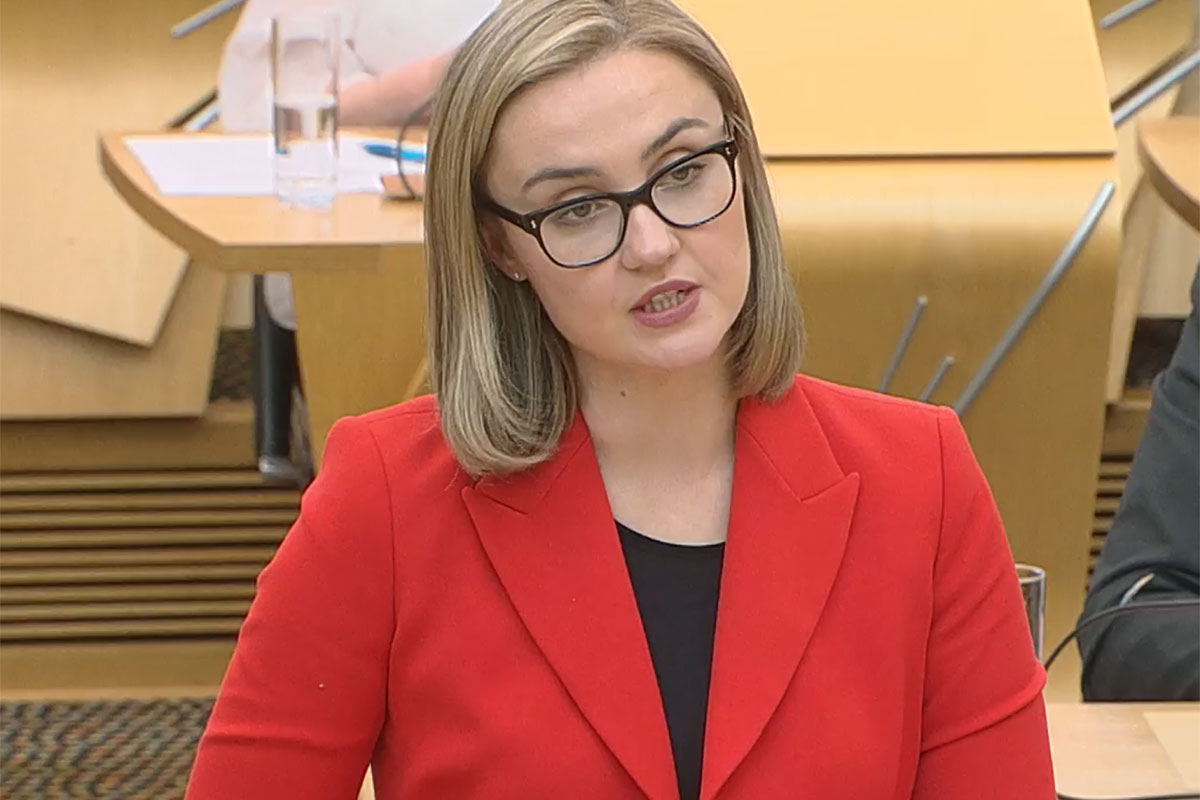
Màiri McAllan, cabinet secretary for housing, said the homes will be provided through a mixture of public and privately leveraged investment.
This is one of the measures to tackle the country’s housing emergency announced in the chamber at Holyrood this week.
The MSP for Clydesdale confirmed that the Scottish National Party-led administration will provide multi-year funding certainty following calls from groups in the housing sector.
This will be complemented by a new ambition to “increase delivery across all tenures by at least 10% each year over the first three years of the next parliament”, Ms McAllan said.
Mid-market rent and build-to-rent properties will be exempt where appropriate from the rent controls being brought in via the Housing (Scotland) Bill.
Read more



These exemptions would help promote investment in these sectors and “were a clear call from our housing investment taskforce”, she added.
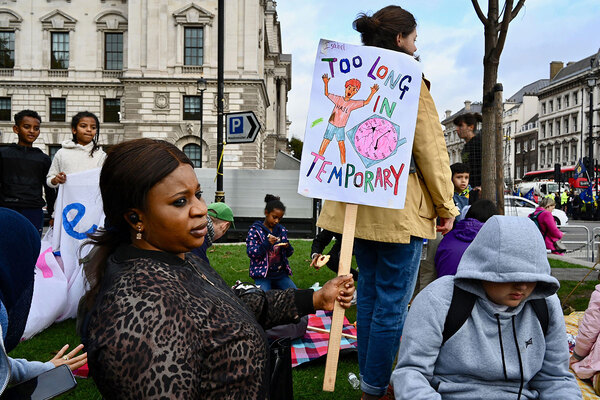
Measures were announced to help people stuck in temporary accommodation after the number of households living in this type of housing reached a 22-year high.
Ms McAllan’s government will double the housing acquisition fund to £80m this year. This will help buy up at least 1,200 homes and support between 600 and 800 children to quickly move out of temporary housing into permanent homes in the 18 months the scheme will run for, she said.
Another £2m will go towards Discretionary Housing Payments to help people living in temporary accommodation find homes in the private sector. The government will also back pilots, such as private sector leasing schemes, to crack down on the use of unsuitable B&Bs and hotels.
Other pledges include a new national ‘Fund to Leave’ backed by £1m this year, which will support up to 1,200 women and their children to leave an abusive relationship.
Dr Marsha Scott, chief executive of Scottish Women’s Aid, said: “Leaving is difficult and dangerous, and the Fund to Leave is such an important step to making leaving and staying free from an abuser a reality across Scotland.”
The government will spend an extra £4m to expand the delivery of Housing First tenancies, extend rapid rehousing transition plan funding to 2026-27, as well as invest £500,000 in winter-preparedness measures.
Ms McAllan also confirmed that Awaab’s Law will be brought into force in the social and private rented sectors from March next year, subject to parliamentary approval.
On development, the cabinet housing secretary intends to work with East Lothian Council and the private sector to unlock investment in the Blindwells, a new town under construction that could provide 10,000 homes.
Plus, plans to bring forward land for housing in rural areas will be boosted by engaging with public bodies, landowners and the Scottish National Investment Bank.
Ministers will “closely monitor” how housing planning policy is applied and intervene where needed.
Ms McAllan said: “I am determined this action plan will deliver positive and lasting change.
“At the heart of my mission is ensuring children are not spending time in unsuitable accommodation or long periods in temporary accommodation, that the housing needs of vulnerable communities are met and that we create the optimum conditions for confidence and investment in Scotland’s housing sector.
Sally Thomas, outgoing chief executive of the Scottish Federation of Housing Associations, welcomed the news. But she said the funding falls short of the body’s research that called for 15,000 affordable homes per year to meet housing need at a cost of £8.2bn in public funding over the next parliament.
Ms Thomas added: “We trust further details of this funding commitment will be set out in the Scottish Budget.”
Callum Chomczuk, national director of the Chartered Institute of Housing Scotland, said: “We delighted that there is a commitment to exclude mid-market rent homes from rent controls, giving social landlords assurance to keep developing; the fund to leave will help victims of domestic abuse leave an abusive home – the main cause of homelessness for women; and the additional £40m for acquisition – if new money – will support social landlord buy properties to move families and children out of temporary accommodation.”
Alison Watson, director of Shelter Scotland, was concerned that “there is no clarification about if the new money for buying homes is new money or money previously earmarked for new build”.
She added: “There was no mention as to whether the Scottish government remain committed to their 110,000 affordable home target by 2032.”
Maeve McGoldrick, head of policy and communications at Crisis Scotland, said: “Investment in new housing will help prevent more people being forced from their homes, while the expansion of Housing First will provide a vital route out of homelessness for people who have been let down by services for too long.”

Related stories