Second fire engineer accuses Tri Fire of using his signature without his knowledge
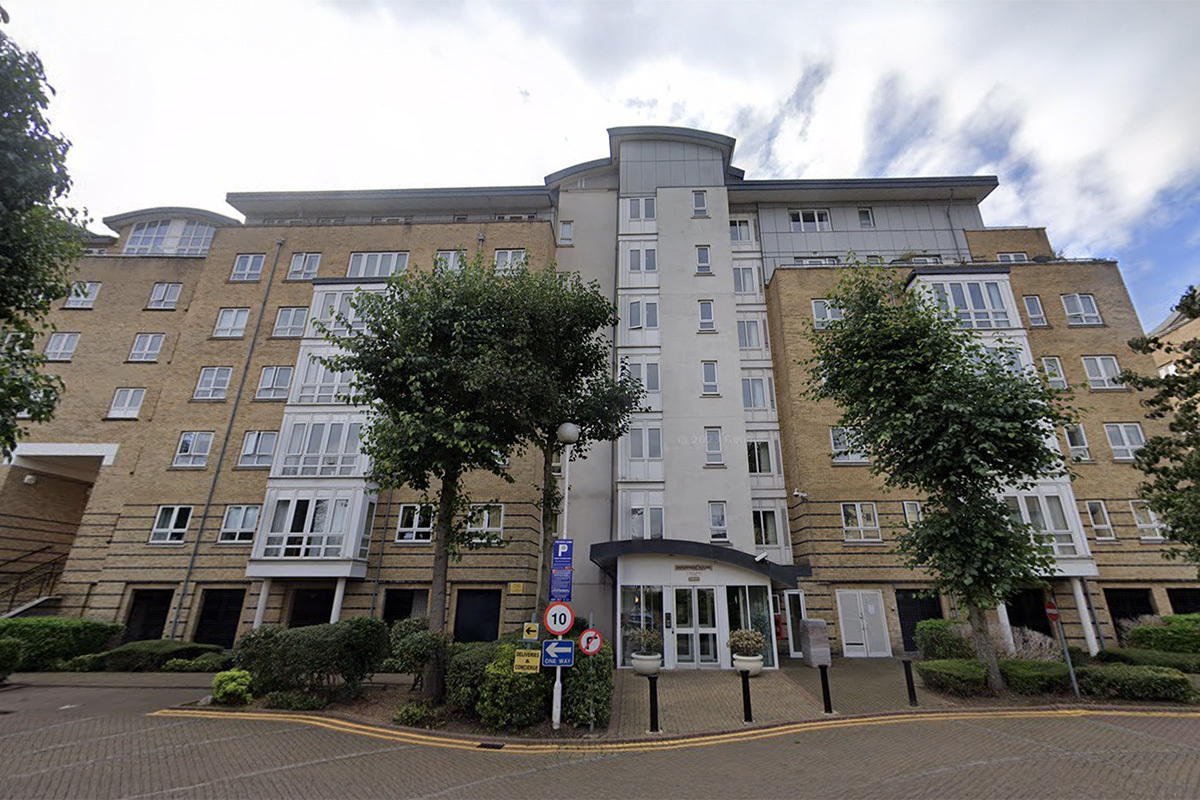
A second fire engineer has accused fire risk assessment firm Tri Fire of using his signature for assessments of a building he had not seen.


 A second fire engineer has accused fire risk assessment firm Tri Fire of using his signature for assessments of a building he had not seen #UKhousing
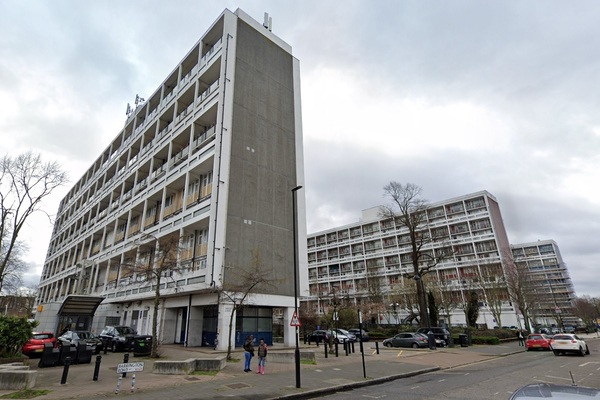
 Inside Housing has seen correspondence from fire engineer Adair Lewis, in which he claims his signature was used by Tri Fire to sign off a review of Hamilton House, part of the St David’s Square development in east London, without his knowledge.
It comes after the firm was accused of the same practice by Awwal Salisu, a fire engineer who has worked across Saudi Arabia, and made the allegations in an open letter published on LinkedIn.
Tri Fire had been one of the most widely used firms by housing associations to carry out external wall assessments of their buildings. The firm is understood to have reviewed systems on thousands of blocks within the sector since 2020.
But in August last year, Adam Kiziak, director of Tri Fire, was sanctioned by the Institution of Fire Engineers (IFE). He was found to have failed to work with professional competence and breached the organisation’s principle of “accuracy and vigour”.
Read more
When this was made public in November, it led to a quick loss of market confidence in his assessments. Lenders refused mortgages on properties in blocks assessed by him and housing associations scrambled to arrange new reviews.
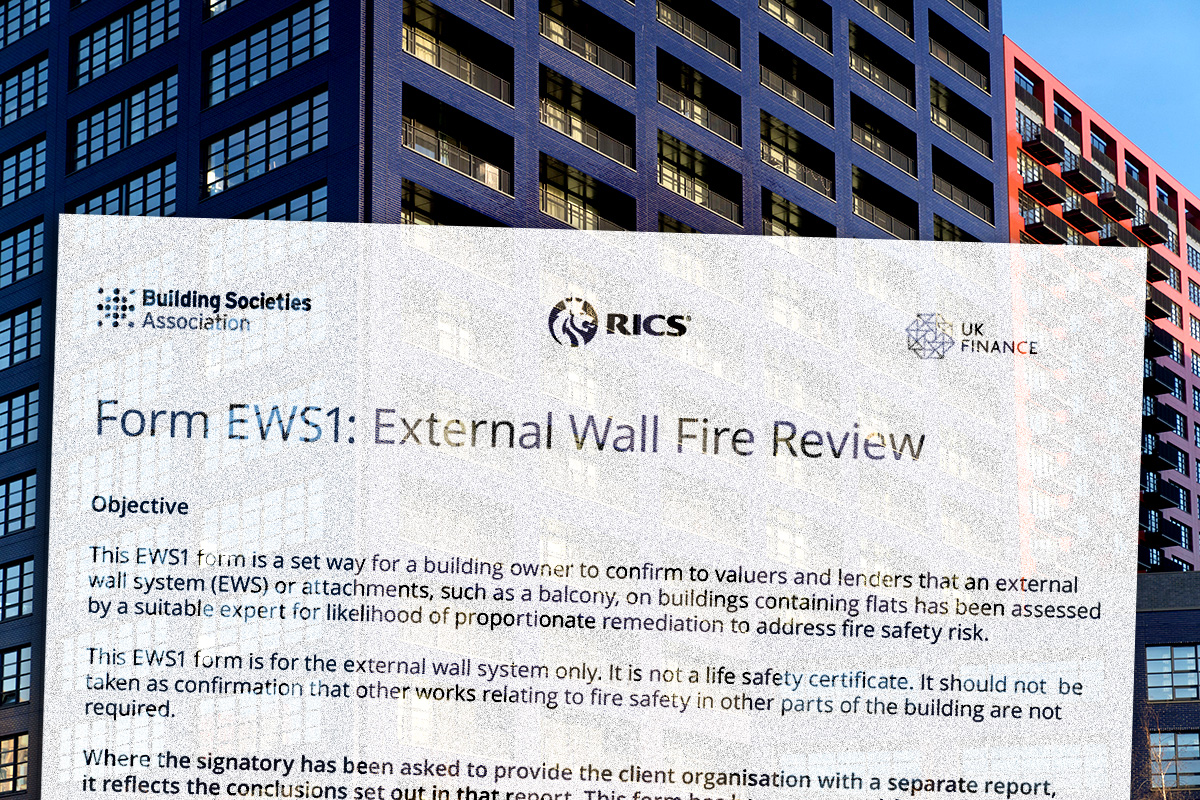
In the letter relating to Hamilton House, Mr Lewis says: “On 04 March 2025 I received a copy of an EWS1 form [a form used to assure lenders of the safety of an external wall system] relating to the above address showing an Option B1 entry [which means combustible materials are present but no remediation work is required] and bearing my name, qualifications and signature.
“The form appears to have been issued by Tri Fire Ltd on 14 December 2020.
“I have searched my database and although I carried out a number of assessments and peer reviews of reports for Tri Fire around this time, I have no record of having received a report or issuing any documents with respect to Hamilton House.
“I am an independent fire engineer working for a number of organisations; I have never been employed by Tri Fire. I became acquainted with Adam Kiziak, the principal of Tri Fire, when we worked together at the Fire Protection Association many years ago.
“In summary, the EWS1 form for Hamilton House was not issued by me or with my knowledge.”
The IFE ultimately expelled Mr Kiziak in February, due to what it called “non-compliance with sanction”. Housing associations across the country, but particularly in London, are now working to reassess the work he carried out for them and provide fresh assessments which will allow leaseholders to sell their properties.
The delays have already caused many deals to fall through, and reassessments may result in buildings which were believed to be safe requiring remediation work.
Mr Kiziak and Mr Lewis were approached for comment before publication.
St David’s Square is a private development, owned by Natwest on behalf of ARC Time Freehold Income Fund, managed by FirstPort and originally developed by Berkeley Group. It has combustible high-pressure laminate cladding on the upper floors.
The correspondence came to light amid a legal dispute between residents and the freeholder over service charges, particularly a bill for the intercom system totalling £433,000 between 2018 and 2020.
The leaseholders took the landlord to the First-tier Tribunal in 2023 over these costs and won a reduction of 80%.
However, on appeal in July 2024, the landlord won, save in respect of about £50,000 that it conceded it should not have charged past July 2020, when it should have terminated the contracts. It has been adding its legal costs to service charges for the block.
Residents are now heading to the Court of Appeal, but could face enormous legal fees if they fail.
Liam Spender, a resident of the building and a lawyer who has led the legal fight against the freeholder, said: “I expect the landlord would pursue me personally for any costs it was ordered. I do not have six figures to pay that bill. The only way I have of paying would be to remortgage or sell, which I cannot do because of the EWS1. That would mean I went bankrupt and lost my home and job. The landlords have not denied they will pursue me alone for any costs they are awarded if they win.”
A spokesperson for Freehold Managers said: “The safety of residents is our foremost concern. As soon as we were made aware of the issues relating to EWS1 forms produced by Tri Fire, we immediately put in place an action plan to resolve matters as quickly as possible.
“At St David’s Square, all fire safety certificates are due for renewal at the end of December 2025 and alongside FirstPort and the developer, subject to the availability of qualified engineers, all parties are working at pace to get the EWS1 certificates renewed by June 2025.
“The developer of St David’s Square, St George North London Limited, has confirmed that they will procure the new external wall assessments at no cost to homeowners. All homeowners at St David’s Square have been kept updated on progress, and those who are either selling or remortgaging can contact St George North London Limited who may be able to provide them with a letter of comfort for their lender.”
It is understood that NatWest’s Trustee and Depositary Services (NWTDS) is responsible for the safekeeping of the assets and the fund manager is responsible for the management of the properties. NWTDS does not own the assets and does not have any direct involvement in the ongoing management of the property.
Sign up for our fire safety newsletter
Already have an account? Click here to manage your newsletters
Related stories